
The U.S. trucking industry faces a significant driver shortage that continues to challenge freight operations across the country. With demand for goods steadily rising, the gap between available drivers and shipping needs has grown wider over the past decade.
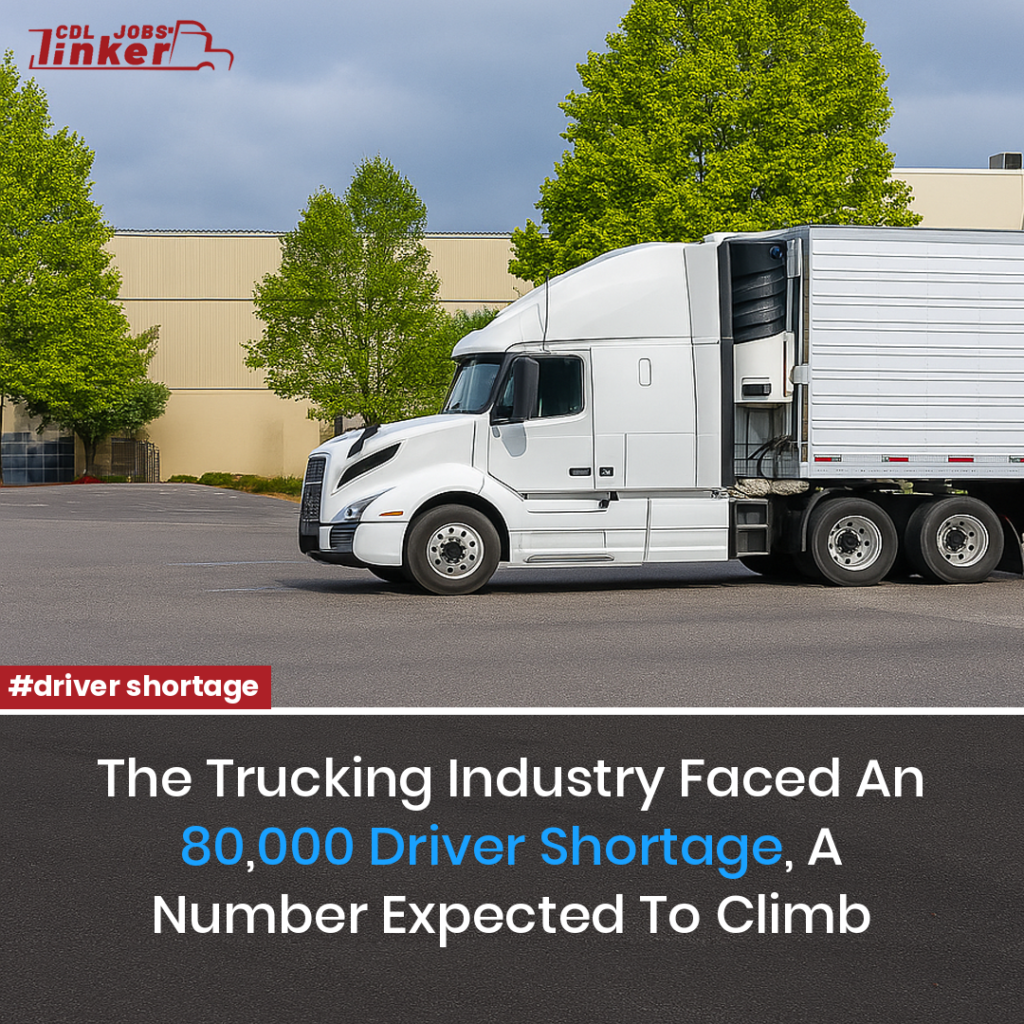
According to the American Trucking Associations, the industry was short roughly 80,000 drivers in 2021, and this number is expected to rise if current trends continue. Looking ahead to 2025, the demand for freight capacity is projected to increase substantially, posing even greater pressure on an already strained driver workforce. This will likely make retention efforts even more critical, as competition for qualified drivers intensifies.
Understanding what’s driving this high turnover is essential for developing solutions. Key factors influencing driver retention include industry wages, working conditions, lifestyle demands, and regulatory changes. Each plays a role in shaping how long drivers stay on the job and what it takes to encourage long-term careers in trucking.
- Compensation & Financial Incentives
- Work-Life Balance and Scheduling Improvements
- Equipment Quality and Safety Technology
- Training, Career Development, and Culture
- Health, Wellness & Mental Support
- Modern Communication and Tech Access
- Inclusion, Diversity & Generational Appeal
- Policy, Regulation, and Compliance Alignment
- Conclusion
Compensation & Financial Incentives
Competitive Base Pay
In 2024, the average annual compensation for over-the-road (OTR) CDL drivers reached $69,000, reflecting continued upward pressure on wages due to driver shortages and freight demand [ATA, 2024]. Pay structures vary, with companies adopting different models including mileage-based, hourly, and salaried pay. Transparent communication about these models is key to driver satisfaction, as each format impacts earnings predictability and alignment with work expectations.
Bonuses and Performance-Based Incentives
Sign-on bonuses continue to be a widespread recruitment tool, with 47% of large fleets offering bonuses exceeding $5,000 in 2024 [NPTC, 2024]. However, while effective for attracting new hires, they are often less influential in long-term retention. Companies are increasingly focusing on incentive programs that reward longevity and safe driving. These performance-based incentives better support workforce stability and promote a culture of safety.
Benefits Beyond the Paycheck
Many fleets are enhancing their benefits packages as part of comprehensive compensation strategies. In 2024, there was notable growth in retirement benefits, including wider access to 401(k) plans with improved employer matching. Health-related benefits also saw significant gains: 85% of carriers now offer full health coverage, up from 70% in 2019 [FMSCA Survey, 2024]. Dental and vision insurance offerings are also becoming more standard, contributing to overall driver well-being.
Work-Life Balance and Scheduling Improvements
Predictable and Flexible Schedules
Trucking companies are responding to drivers’ growing demand for more predictable and flexible work schedules. A notable shift has been the increasing preference for regional and dedicated routes, which offer more routine schedules and less time away from home. In fact, regional driving jobs saw a 12% year-over-year increase in 2024 [BLS, 2024]. Additionally, many carriers have begun reducing the number of nights drivers spend away from home each week as a strategic move to improve retention and attract new talent.
Increased Home Time
Offering regular home time has become a standard feature in many carriers’ employment packages. The push toward weekly home-time options is particularly significant, as it aligns with the desires of most long-haul drivers. According to a 2024 survey, 38% of drivers ranked weekly home time as the top reason they choose to stay with a carrier [DriverIQ, 2024]. This indicates how critical home time has become to workforce stability in the trucking industry.
Time-Off Policies
Trucking companies are also enhancing their time-off benefits to support better work-life balance. Paid time off (PTO) and sick leave programs have seen significant growth across the industry. As of 2024, 64% of surveyed carriers provide PTO after just 90 days of employment, a marked increase from 45% in 2021 [NTI Index, 2024]. These improved policies reflect a broader effort to create more sustainable and appealing work environments for drivers.
Equipment Quality and Safety Technology
Modern, Comfortable Trucks
Modern fleets are focusing on providing drivers with equipment that prioritizes comfort and reliability. Newer trucks help reduce fatigue, offer better ergonomics, and require fewer repairs—factors that contribute to lower driver turnover. According to [ACT Research, 2024], the average truck age in top-performing fleets is under 3.5 years, indicating a strong commitment to maintaining a modern fleet.
Onboard Technology
Advanced onboard safety and productivity technologies are now standard features in many fleets. Safety systems such as lane assist, collision mitigation, and dash cams play a key role in accident prevention and post-incident investigation. Additionally, fleets are using tablets, integrated routing software, and real-time load tracking tools to improve operational efficiency. In 2024, 72% of large fleets reported investing in ELD-integrated route optimization technologies [CCJ, 2024], reflecting the growing importance of digital tools in fleet management.
Training, Career Development, and Culture
Structured Onboarding Programs
Structured onboarding plays a crucial role in boosting driver retention and promoting a strong safety culture. Multimodal training approaches—combining classroom instruction, hands-on experience, and digital learning tools—help reinforce safety protocols while engaging new drivers more effectively. Companies leveraging phased training models, where instruction is delivered in stages over time, have seen higher retention rates among first-year drivers as these programs offer ongoing support and skill reinforcement during critical early months.
Career Pathways & Promotability
Clear advancement opportunities within fleets can encourage long-term commitment among drivers. Organizations that outline transparent career pathways to positions such as trainer, dispatcher, or safety officer foster a sense of mobility and growth. Notably, fleets with internal CDL upgrading programs reported 19% lower turnover [ATA Workforce Report, 2024]. These policies not only diversify the skills of the driving workforce but also strengthen internal promotion pipelines.
Respectful Company Culture
Drivers are more likely to stay with employers that promote a respectful, communicative environment. Initiatives like driver councils and structured feedback systems give employees a voice in operational decisions and policies. Fleets that maintain quarterly driver surveys retain 22% more drivers, indicating that sustained two-way communication fosters loyalty and engagement [NTDC Insights, 2024]. A professional and responsive company culture reinforces driver value and organizational trust.
Health, Wellness & Mental Support
Physical Wellness
Trucking companies are increasingly recognizing the importance of physical wellness for their drivers. On-road access to gyms, improved sleep support, and healthier food partnerships have become more common. These resources help drivers maintain their physical health despite long hours on the road. As of 2024, 44% of fleets now offer subsidized health programs through mobile apps or healthcare provider partnerships, according to the [CDC Transport Health Survey, 2024].
Mental Health & Emotional Support
Mental and emotional health are vital in an industry where isolation and burnout are common. Many fleets now provide Employee Assistance Programs (EAPs), access to digital coaching services, and opportunities for peer support. To further support mental wellness, digital counseling is also being made more accessible, allowing drivers to seek help when and where they need it. These efforts aim to reduce stress and enhance emotional resilience among drivers.
Modern Communication and Tech Access
Always-On Support Channels
The transportation industry is increasingly relying on always-on support channels to ensure timely communication and reduce downtime. Dispatch reliability is crucial, and many operations teams have implemented 24/7 availability models to support drivers on the road.
In addition, mobile-based apps and chat systems are becoming more common, enabling drivers to get instant access to support, scheduling, and key operational updates. These tools not only streamline communication but also improve driver experience by reducing the wait time for help or information.
Transparent Feedback Loops
Fleets are now integrating AI-driven tools to gather and analyze driver feedback more effectively. AI-based surveys and sentiment analytics help companies monitor morale and identify issues before they escalate.
According to a 2024 report, fleets using quarterly driver sentiment AI reporting saw turnover drop by 16% [TruckingTech Review, 2024]. By establishing transparent and regular feedback loops, organizations can make informed adjustments to policies or operations, resulting in better retention and overall job satisfaction.
Inclusion, Diversity & Generational Appeal
Recruiting and Retaining Younger Drivers
The trucking industry is making strides to attract younger generations, particularly Gen Z and Millennials, by aligning recruitment efforts with values important to these groups. Purpose-driven branding—highlighting sustainability, community impact, and innovation—is increasingly being used in outreach campaigns to connect with younger audiences. These drivers are more likely to be drawn to employers who stand for something beyond profits.
Another key factor is the emphasis on career stability. With the rise of automation and gig economy work, stable career paths with benefits and long-term growth are appealing to younger workers. Companies that promote structured training programs, advancement opportunities, and reliable income are better positioned to engage this demographic.
Fleet modernization also plays a role. Younger drivers are interested in tech-forward trucking companies that invest in safety technologies, telematics, and efficient logistics systems. A modern, well-maintained fleet signals a forward-thinking employer, which can be a decisive factor in attracting and retaining younger talent.
Gender & Ethnic Inclusion
Efforts to improve gender and ethnic diversity in the trucking workforce are gaining momentum. Companies are implementing policies to support female drivers, such as guaranteeing safe and private restroom access at facilities and enacting stringent anti-harassment measures. These initiatives aim to create a more inclusive and secure environment for women on the road.
The results of inclusion efforts are beginning to show. Women now make up 12% of the trucking workforce, an increase from 8.5% in 2020 [Women In Trucking, 2024]. Providing targeted support and inclusivity measures not only helps retain female drivers but also encourages others to join the profession.
Ethnic inclusion is also being addressed through expanded recruiting in diverse communities, bilingual training programs, and mentorship opportunities. These steps help ensure that trucking reflects the broader diversity of the population it serves.
Policy, Regulation, and Compliance Alignment
Staying Ahead of FMCSA Regulations
Staying compliant with Federal Motor Carrier Safety Administration (FMCSA) regulations requires ongoing attention to evolving rules and initiatives. Recent updates in drug and alcohol testing procedures demand that fleet operators reassess policies to ensure proper implementation, especially with the increased scrutiny surrounding cannabis use. Carriers are also facing updates to Hours of Service (HOS) rules, pushing organizations to revise driver scheduling practices and monitoring systems to maintain compliance.
Additionally, safety compliance remains a critical area where proactive investment can reduce risk. Many carriers are expanding training to address high-risk concerns, such as the implications of legalized cannabis in some states and the increasing scrutiny on sleep disorders like sleep apnea. Equipping safety and HR departments with current knowledge is key for preventing disqualifying incidents and navigating nuanced regulations effectively.
Immigration and CDL Access Expansion
To address the industry’s labor shortage, trucking stakeholders are working to expand access to commercial driver’s licenses (CDLs) through immigration pathways. This includes support for green card eligibility reform and the implementation of transportation-specific apprentice visa programs, both of which have gained bipartisan backing.
In 2024 alone, over 6,000 immigrant drivers entered the workforce under pilot programs approved by federal authorities [DOT Press Release, 2024]. These initiatives are helping to close driver gaps while aligning workforce development with federal transportation priorities.
Conclusion
Holistic driver support will be the key to retention in 2025. As the market becomes more competitive, fleets that only focus on compensation will fall behind. Successful companies will be those that support drivers across multiple dimensions—offering flexible schedules, access to better technology, and a sense of shared purpose.
Smart fleets need to strike the right balance between pay, lifestyle, technology, and mission. Drivers are looking for more than just routes—they want respect, modern tools, and alignment with company values.
To attract and retain the workforce of the future, fleets must commit to a culture of consistency and competitive empathy. The companies that lead in culture will lead in performance.
FAQ
What are the highest paying trucking jobs in 2025?
In 2025, the highest paying trucking jobs will likely be over-the-road (OTR) positions, with average annual compensation around $69,000.
How is technology changing trucking?
Technology is enhancing trucking with advanced safety systems, onboard productivity tools, and improved communication channels, leading to better efficiency and driver satisfaction.