
 The U.S. trucking industry faces a significant labor shortage, impacting driver wages and working conditions. This article explores the trends leading up to 2025.
- Introduction
- Understanding the 2025 Driver Shortage
- Wages and Incentives: How Shortages Translate to Pay
- Regional Disparities in Impact
- Industry-Wide Reactions and Structural Changes
- Long-Term Implications for Driver Careers
- What It Means for Existing and Aspiring Drivers
- Conclusion
- Appendix
Introduction
The U.S. trucking industry is facing a significant labor shortage, a problem that has steadily worsened over the past decade. As of recent estimates, the industry is short tens of thousands of drivers, and that number is expected to grow if current trends continue. Factors contributing to the shortage include high turnover rates, an aging workforce, and challenges attracting younger workers.
The year 2025 is shaping up to be a critical turning point. With freight demand projected to rise and many veteran drivers nearing retirement, industry experts warn that labor supply may fall dangerously short of demand. New regulatory changes, shifts in supply chains, and growing e-commerce activity are also likely to place further strain on the workforce.
This article explores a core question: How will the growing shortfall of qualified truck drivers affect driver earnings and working conditions in the coming years? Examining the economic and structural effects of this labor crisis will provide insights into what the future holds for one of the nation’s most essential industries.
Understanding the 2025 Driver Shortage
 What the Shortage Looks Like Now
The U.S. trucking industry is experiencing a significant shortage of qualified drivers. As of 2024, more than 80,000 truck driver positions remain unfilled (ATA Report). If current trends continue, the shortfall could more than double, reaching over 160,000 vacant positions by 2030 (ATA).
Several structural issues are contributing to the driver shortage:
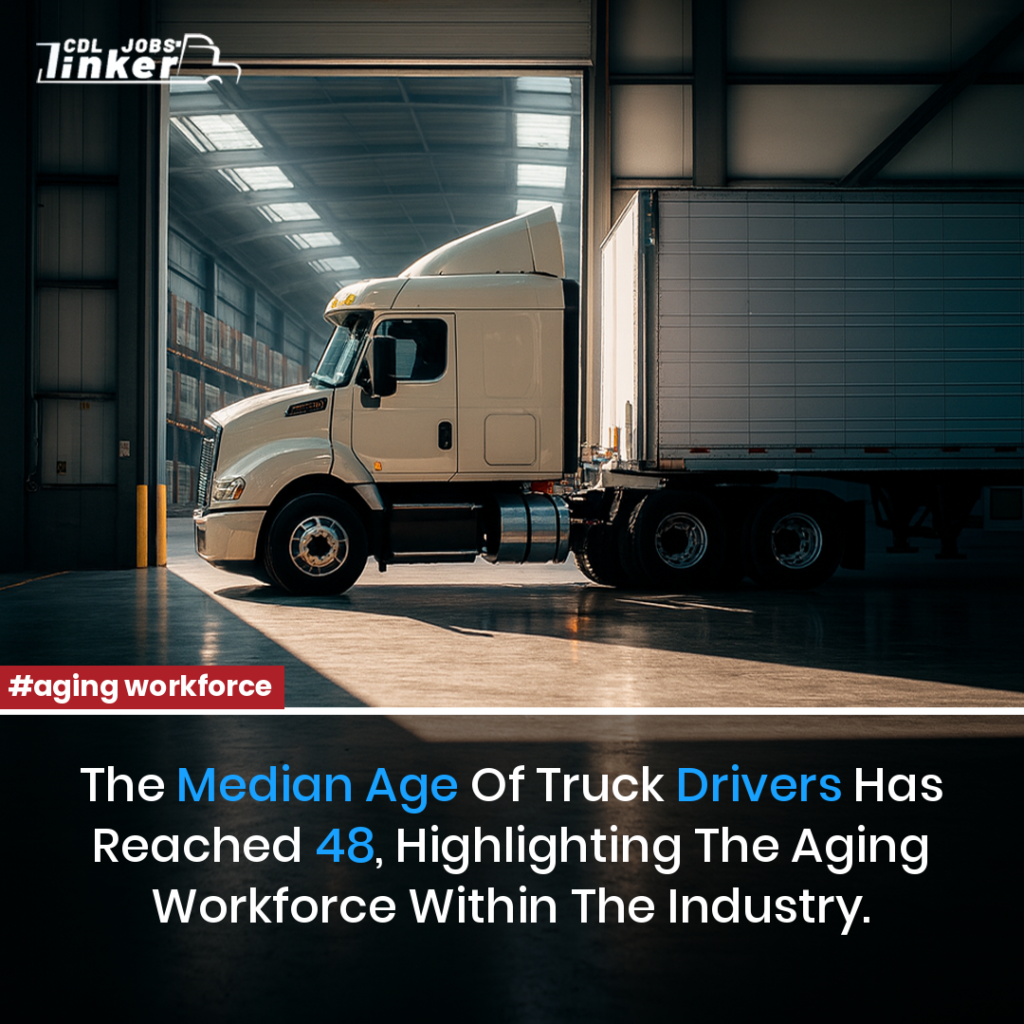
- Aging workforce: The median age of truck drivers is 48, and a growing number are retiring each year. This demographic trend is expanding the gap between retirements and new entrants into the workforce (BLS).
- High turnover: Large trucking carriers are seeing annualized turnover rates exceeding 90% as of 2023, making it difficult to maintain a stable driving workforce (ATA Turnover Data).
- Training pipeline issues: Enrollment in Commercial Driver’s License (CDL) programs has declined, especially following COVID-19 disruptions, limiting the number of new drivers entering the industry.
- Underrepresentation: Women and younger workers remain significantly underrepresented in the trucking profession, which restricts potential labor pool growth.
Segment-Specific Impact
The driver shortage is not felt equally across all areas of the trucking sector. Long-haul over-the-road (OTR) routes are most affected, largely due to demanding schedules that require drivers to spend extended periods away from home. Regional and last-mile delivery sectors are also beginning to feel the impact, though at a slower pace. These segments may experience growing pressures as the labor market continues to tighten.
Wages and Incentives: How Shortages Translate to Pay
Historical Pay Trends
Pay for heavy-duty truck drivers has seen a noticeable uptick in recent years as the industry grapples with ongoing labor shortages. In 2023, the average annual salary reached $53,000, a marked increase from the $48,700 recorded in 2021 (Bureau of Labor Statistics). In areas with acute driver shortages, especially for over-the-road (OTR) positions, compensation climbed even higher. In some cases, drivers earned in excess of $90,000 annually, including bonuses, as fleets competed to attract limited talent (FreightWaves).
 – 2025 Pay Forecast
If the current shortage persists, base salaries for truck drivers are expected to continue rising by an estimated 8–10% through 2025. On top of wage increases, many fleets are enhancing compensation packages with annual bonuses ranging from $5,000 to $15,000 to retain and attract qualified drivers (Industry Hiring Surveys).
– Evolving Compensation Structures
As the labor market for drivers tightens, compensation strategies are evolving. Many carriers have introduced guaranteed mileage minimums and expanded the use of per diem pay to improve take-home income. Additionally, fleets are now widely offering sign-on bonuses, referral bonuses, and other financial perks. Programs that cover training expenses and offer tuition reimbursement are also on the rise, helping new entrants offset the cost of joining the profession.
– Owner-Operator vs. Company Driver Pay Dynamics
While company-employed drivers often benefit from consistent pay and incentives, owner-operators face a different set of financial dynamics. Rising fuel prices, insurance premiums, and maintenance costs have significantly impacted profitability. In addition, fluctuations in the spot market create income volatility, making it harder for independent operators to forecast earnings reliably (DAT Trendlines).
Regional Disparities in Impact
High-Demand States
California, Texas, and Florida are experiencing some of the most acute truck driver shortages in the nation. These states are home to major logistics hubs that handle enormous volumes of freight, including consumer goods and agricultural products. The high demand for transportation services, combined with a limited pool of qualified drivers, is disrupting supply chain reliability and increasing delivery delays.
In the Midwest, although wages for truck drivers are highly competitive, states face challenges retaining younger drivers. Aging demographics and reluctance from younger workers to enter the field are contributing to persistent labor gaps in this region.
Urban vs. Rural Divide
Freight volumes are typically concentrated in metro areas, where established infrastructure and dense customer bases result in more consistent driving routes and higher pay. These conditions make urban driving positions more attractive, further pulling drivers away from rural postings.
In contrast, rural carriers face significant hiring challenges. Due to smaller populations and fewer amenities, these areas struggle to attract and retain drivers. As a result, rural employers are increasingly forced to offer wage hikes and bonus incentives to compete with urban opportunities and mitigate driver shortages.
Port and Border City Impacts
Cities that function as import/export gateways—such as Los Angeles, Houston, and Detroit—are feeling the effects of driver shortages most acutely. The time-sensitive nature of international shipping through ports and border crossings means that any labor gap can quickly cause backlogs and inefficiencies. Delays in these regions often have ripple effects throughout national and international supply chains.
Industry-Wide Reactions and Structural Changes
Carrier Tactics to Attract and Retain Drivers
In response to a persistent driver shortage, many freight carriers are introducing strategies aimed at making driving careers more appealing and sustainable. Enhanced home time schedules are becoming more common, minimizing prolonged periods away from family and offering more predictable work-life balance. Additionally, guaranteed weekly route pay pilots are being tested to provide drivers with consistent income, regardless of trip variability.
To support the growing demand for qualified drivers, carriers are also doubling their in-house Commercial Driver’s License (CDL) training cohorts in 2024. This move aims to onboard new drivers more quickly and ensure they meet the company’s training and safety standards.
Legislative and Regulatory Factors
Policy changes are also reshaping the industry. The implementation of the DRIVE-Safe Act now permits 18–20 year-olds to engage in interstate commercial driving, provided they complete a formalized training program (FMCSA). This is expected to expand the hiring pool and generate early-career opportunities in trucking.
At the state level, several grant programs are being introduced to increase the capacity of CDL training facilities. These initiatives aim to lower barriers to entry for aspiring drivers by offsetting tuition costs and expanding the availability of instructors and classroom resources.
Role of Technology
Technology continues to play a critical role in reshaping the trucking industry. Use of logistics AI for route optimization is helping carriers reduce driver fatigue by minimizing inefficient travel and maximizing time spent on the road. Driver-facing safety technologies, such as in-cab monitoring systems, are also being adopted to improve working conditions and overall safety.
Meanwhile, autonomous vehicle pilots are gradually being implemented across select routes. While currently limited in scope, these pilot programs signal potential long-term impacts on labor demand and the future structure of driving jobs in the industry.
Long-Term Implications for Driver Careers

The truck driving profession is undergoing a transformation as technology becomes more integrated into daily operations. Modern fleets are adopting telematics, route optimization software, and real-time tracking tools, making truck driving increasingly data-driven. This shift is changing how the role is perceived—not only by the public but also by drivers themselves, who are now expected to engage with technology and analytics as part of their jobs.
Additionally, carriers and job platforms now offer greater transparency around job quality metrics, such as weekly hours, benefits, and home time. These insights allow drivers to make more informed decisions about which roles align with their lifestyle and expectations. As a result, truck driving is shedding some of its long-held stereotypes and gaining recognition as a skilled, tech-forward occupation.
Professionalization and Upskilling
In response to evolving industry demands, carriers are placing more emphasis on professional development. Many now offer structured mentor-training programs where experienced drivers help newer recruits navigate the complexities of the job. Leadership tracks have also emerged, enabling drivers to take on roles with increased responsibility, such as fleet managers or safety officers.
Specializations are another area of growth. Drivers who gain certifications in specialized areas—like hazardous materials (hazmat), refrigerated freight, or oversized hauling—are often rewarded with premium pay. These niches require additional skills and training, further pushing the industry toward professionalization and long-term career viability.
Quality of Life and Mental Health
The historically high levels of isolation and fatigue in long-haul trucking have prompted renewed attention to driver well-being. Companies are implementing support programs aimed at tackling these challenges, including mentorship pairing, scheduled rest periods, and improved cabin ergonomics.
One major improvement is the rise of mobile telehealth services tailored to truckers. These platforms offer mental health counseling and wellness check-ins via smartphone or tablet, allowing drivers to access licensed professionals from the road. These developments signal a positive shift in how the industry supports driver mental health and overall quality of life.
What It Means for Existing and Aspiring Drivers
Current Driver Takeaways
Drivers already in the industry are seeing new leverage in compensation and working conditions. With increased demand and driver shortages, many carriers are offering higher pay and expanded benefits. This puts experienced drivers in a strong position to negotiate for improved routes, sign-on incentives, or bonuses.
Shifting between regional and over-the-road (OTR) work also becomes more strategic. OTR roles typically offer higher pay but involve extended time away from home, while regional positions provide better work-life balance. Depending on personal and financial goals, drivers may now move between these options more fluidly.
Opportunities for New Entrants
Entering the trucking industry has become more attractive, especially for individuals seeking alternatives to traditional college pathways. Starting pay has increased across many fleets, and benefits packages are more competitive than in prior years.
Training opportunities have also expanded. Fast-track CDL programs and apprenticeships allow new drivers to begin earning quickly while gaining experience. These programs often include mentorship and guaranteed job placement upon completion, making the transition smoother for newcomers.
Questions Drivers Should Ask in 2025
- What freight sectors are most stable and highest-paying? Understanding where freight demand is strongest can help drivers focus on lanes or carriers that offer long-term consistency and better rates.
- Does the carrier offer guarantees around equipment condition and repair response? Well-maintained trucks reduce downtime and safety risks, making this a key factor when choosing an employer.
- How does autonomy/automation threaten or complement my driving job long-term? While full automation remains years away, semi-autonomous technology is entering fleets. Drivers should consider how companies are implementing this tech and whether it enhances or reduces their role.
Conclusion
The 2025 driver shortage shows no signs of easing, suggesting continued strain on the labor market. As companies compete for talent, wages are expected to rise. However, this increase in pay comes with growing expectations—drivers will face stricter requirements around regulatory compliance, safety standards, and overall professionalism.
The broader implication is a shift in power within the freight economy. With fewer qualified drivers available, those who meet rising standards will hold stronger negotiating positions. This evolving dynamic signals a market where skilled drivers not only earn more but also play a more central role in how freight networks operate and adapt.
Appendix
Key Statistics Summary
- Over 80,000 driver shortage projected in 2024
- Wages for drivers across large carriers increased by 9% from 2022 to 2023
- Turnover rates remain high, with over 90% turnover among large carriers
- The median age of professional truck drivers is 48
- Signing bonuses and other incentive offerings are up 22% year-over-year
Cited Sources
- American Trucking Associations (ATA)
- Bureau of Labor Statistics (BLS)
- FreightWaves Driver Pay Reports
- FMCSA DRIVE-Safe Act Overview
- DAT Freight & Analytics
FAQ
What are the highest paying trucking jobs in 2025?
Long-haul OTR positions are expected to offer the highest pay, with some drivers earning over $90,000 including bonuses.
How is technology changing trucking?
Technology is improving route optimization, enhancing safety through driver-facing systems, and gradually introducing autonomous vehicles.