
Discover how modern recruiting strategies are transforming the trucking industry amid labor shortages and changing driver expectations.
- Introduction
- The Death of ‘Post and Pray’ Recruiting
- Understanding Today’s CDL Driver Market
- The Foundations of Modern Recruiting (2024–2026)
- Digital Tools and Automation as Catalysts
- Social Recruiting and Employer Branding
- Tapping Passive Candidates
- Metrics That Matter in 2026
- The Road Ahead: Preparing for Recruiting in 2026
- Conclusion
Introduction
The trucking industry is undergoing fundamental changes, and the traditional recruiting tactic known as “Post and Pray”—placing job ads and waiting for applications—no longer meets the demands of the evolving driver labor market. As seasoned drivers age out and fewer new entrants fill the gap, carriers relying on passive recruitment strategies are struggling to maintain operational capacity.
Several macroeconomic and regulatory shifts are reshaping the landscape. Persistent labor shortages, inflationary pressures affecting wage expectations, and tighter hours-of-service regulations are altering both the supply and demand for drivers. Additionally, fluctuations in freight volumes and high turnover rates compound the challenge of finding and keeping qualified talent.
In response, companies are turning to modern recruiting strategies that prioritize targeted outreach, data-driven campaigns, and streamlined technology tools. These approaches are defining how successful fleets will attract and retain drivers in the U.S. trucking industry by 2026.
The Death of ‘Post and Pray’ Recruiting
Definition and History
The ‘Post and Pray’ method is a traditional recruiting strategy where employers post job openings on job boards and then wait passively for applicants to respond. This approach was once considered standard in the trucking industry, especially before the digital age reshaped job-seeking behavior. In earlier decades, this method yielded predictable results because the labor market was less saturated and most drivers relied on classified ads or early online boards for job hunting. However, the once-effective method has lost traction due to shifting technologies and market dynamics.
Key Reasons Why It No Longer Works
- Low Response Rates
Modern data shows that ‘Post and Pray’ strategies are increasingly ineffective. As of Q4 2024, job board conversion rates for truck driver postings have dipped below 2% on average. That means fewer than 2 out of every 100 visitors to a job post actually apply, highlighting the inefficiency of relying solely on general job boards for recruitment.
- Driver Demographics
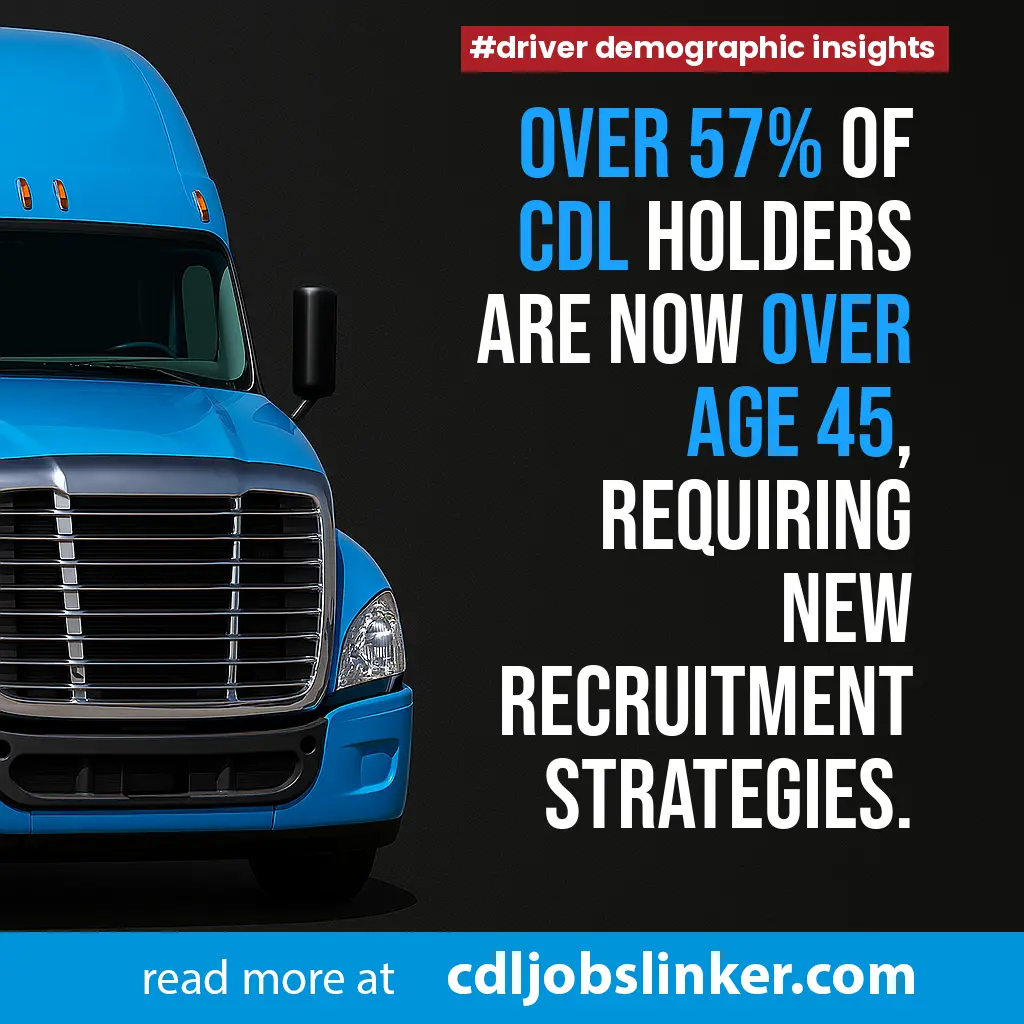
The current driver workforce skews older, with over 57% of CDL holders now over age 45. This demographic is generally less active on digital job boards and less likely to interact with mobile or online-only recruitment channels, further diminishing response rates when using ‘Post and Pray’ strategies.
- Competition Saturation
A large number of trucking carriers are using the same job posting platforms. The top five job sites receive the majority of listings, contributing to increased saturation and reduced post visibility. As more companies compete for limited attention in the same spaces, individual job listings struggle to stand out, making passive recruitment even less viable.
Understanding Today’s CDL Driver Market
Labor Supply and Demand Imbalance
The commercial driving industry is experiencing a significant labor imbalance. In 2024, the U.S. faces a shortage of approximately 78,000 commercial drivers, and this gap is projected to grow beyond 84,000 by 2025. This persistent shortage comes despite consistent freight demand and economic uncertainty, forcing transportation companies to compete more aggressively for qualified drivers. Recruiting teams, in particular, are under increased pressure to fill open roles quickly and efficiently.
Evolving Candidate Expectations
As the demand for CDL drivers rises, so do their expectations during the recruitment process. A growing number—43% of drivers—now anticipate real-time communication when applying for positions. Moreover, the application experience itself has evolved: in 2024, over 67% of driver applications were submitted via smartphones, emphasizing the importance of a mobile-first approach. Failing to meet these expectations can result in lost candidates in an already competitive labor market.
The Foundations of Modern Recruiting (2024–2026)
Data-Driven Targeting
Recruiters increasingly rely on data to refine and optimize their targeting strategies. Programmatic advertising has become a cornerstone of recruitment campaigns, automatically placing job ads in front of high-intent candidates. In 2024, organizations using programmatic ads saw a 21% year-over-year improvement in cost per lead, reflecting gains in both efficiency and reach.
Predictive analytics is also playing a greater role in identifying which applicants are more likely to advance through the hiring funnel. By analyzing historical candidate data and behavior patterns, recruiters can better allocate time and resources to high-conversion prospects.
Recruitment Marketing Funnel Optimization
To maximize candidate engagement from initial contact through to hire, companies are mapping each touchpoint in the recruitment funnel. This allows recruiters to identify drop-off points and optimize user experience along the way.
A/B testing is widely deployed to improve results. Recruiters test ad formats, landing pages, and pre-screening tools to determine what yields the highest engagement and conversions. Meanwhile, nurturing campaigns—such as email follow-ups and personalized content—are helping keep applicants engaged. These strategies led to a 28% increase in pipeline retention in 2024, validating the impact of continuous engagement throughout the hiring journey.
Digital Tools and Automation as Catalysts
CRM and ATS Integration
The integration of Customer Relationship Management (CRM) systems with Applicant Tracking Systems (ATS) is streamlining the hiring process across the transportation industry. As of early 2025, 81% of large fleets have adopted some form of integrated CRM/ATS platform for greater hiring efficiency. These platforms help unify communication, resume parsing, and status tracking, making the recruitment pipeline more manageable.
One major benefit of integration is the automation of routine communication. By automating applicant follow-ups, companies have seen a 31% reduction in ghosting, helping recruiters maintain contact and momentum with potential hires.
Chatbots, AI Screening, and Real-Time Engagement
Artificial intelligence tools such as chatbots and automated screeners are increasingly being used to expedite applicant evaluation. AI virtual assistants now process applications up to four times faster than traditional manual methods, allowing recruiters to focus their attention on qualified candidates sooner.
In addition, real-time communication tools like live chat are proving effective for increasing candidate engagement. Carriers using live chat solutions report a 19% rise in completed applications, demonstrating the value of immediate, accessible contact during the application process.
Social Recruiting and Employer Branding
Social Channels Driving Reach
Social media continues to be a powerful tool for reaching and engaging potential drivers. In 2024, 54% of drivers report discovering job opportunities through social media platforms, with Facebook and YouTube being the most effective channels. These platforms offer carriers a direct line to a large, active user base, allowing for real-time communication and content distribution tailored to prospective applicants.
Employer Value Proposition (EVP)
A compelling Employer Value Proposition plays a central role in social recruiting success. Carriers that clearly communicate driver-centric messaging—emphasizing benefits, transparent compensation, and a supportive work culture—see a 32% reduction in cost-per-hire. Authentic content, such as video testimonials from current drivers, also significantly boosts candidate engagement. These videos generate engagement rates twice as high as other content formats, helping to humanize the brand and build trust with potential recruits.
Tapping Passive Candidates
Who Are Passive CDL Candidates?
Passive CDL candidates are licensed commercial drivers who are currently employed or not actively searching for a new position but may consider switching for the right opportunity. Unlike active job seekers, passive candidates are less likely to browse job boards or submit applications. However, they form a significant portion of the CDL labor market. As of late 2024, approximately 48% of licensed CDL drivers fall into this passive category.
Strategies to Engage
To connect with passive CDL candidates, companies must adopt targeted and persistent outreach strategies:
- Retargeting Ads: Using data on browsing behavior, employers can serve relevant job ads to drivers who have previously visited trucking-related websites or platforms.
- Email Drip Campaigns and SMS Outreach: Create automated sequences of messages that highlight job benefits, pay scales, and company culture. Text messages can provide quick updates or short pitches that prompt further interest.
- Referral Network Optimization: Encourage current drivers and staff to refer friends or former colleagues. This organic method often reaches those not actively job hunting.
- Geofencing: Deploy mobile job ads around high-traffic areas like truck stops, rest areas, and cargo terminals. These location-based ads can capture the attention of drivers while they’re on the road.
Combining these tactics allows employers to stay visible and relevant to passive drivers, increasing the chance of eventual engagement.
Metrics That Matter in 2026
Redefining Success in Driver Recruiting
As the driver recruiting landscape evolves, so do the metrics that define success. In 2026, companies are focusing on key performance indicators (KPIs) that directly reflect operational efficiency and hiring effectiveness.
- Time to Qualified Lead: is now measured from the launch of a campaign to the point when a candidate passes pre-screening. This shift emphasizes the importance of responsiveness and targeting in top-of-funnel activities.
- Cost per Hire (CPH): remains a critical benchmark. In Q3 2024, the top 25% of performers reported hiring costs under $1,500 per driver. This figure continues to serve as a north star for organizations aiming to optimize spend.
- Applicant-to-Orientation Rate: is gaining traction as a core KPI. It reflects how well initial screening processes translate into actual driver onboarding. Efficient pre-screening protocols significantly improve this rate, turning more applicants into hires without wasting resources.
Continuous Improvement Cycles
Successful recruiting teams are moving to quarterly benchmarking of their funnel KPIs. This cadence allows for faster identification of bottlenecks and more agile strategy adjustments.
Additionally, there is a notable shift toward digital oversight. Real-time dashboards and automated reporting tools have seen a 39% year-over-year growth in adoption. These tools enable teams to monitor performance as it happens, fostering a culture of continuous improvement and accountability.
The Road Ahead: Preparing for Recruiting in 2026
Adapting to AI and Machine Learning
As 2026 approaches, AI and machine learning (ML) are reshaping how organizations attract and engage talent. One key trend is the surge in AI-generated job ad personalization. With improved natural language processing and deeper user behavior analysis, recruitment platforms are delivering hyper-targeted job listings that reflect individual preferences, qualifications, and even location-based incentives.
In addition to personalization, AI systems are enabling real-time optimization of recruitment spend across platforms. Employers can automatically shift budget between job boards, social media ads, and sourcing tools based on real-time performance data, ensuring greater return on investment and better candidate engagement.
Retention and Recruitment Converge
The lines between hiring and employee retention are blurring. In 2025, 23% of HR teams reported merging their talent acquisition and retention efforts into unified strategies. This shift, often referred to as recruiting-realignment, reflects a growing need to maintain a consistent employee experience from candidate to post-hire.
Organizations are also leveraging career path visibility as a recruitment advantage. By clearly outlining growth opportunities and timelines from the outset, employers can attract candidates who are focused on long-term development. This strategy not only increases offer acceptance rates but also supports retention by aligning new hires’ expectations with internal mobility opportunities.
Conclusion
Success in 2026 will belong to carriers who recruit with intention, data, and speed. The most competitive organizations will be those that recognize recruiting is no longer a numbers game—it’s a strategy. They will leverage detailed data and analytics to identify the right prospects, tailor communications, and track performance in real-time.
As the industry shifts, the age of ‘Spray and Pray’ is over. Mass outreach without targeting or follow-through won’t yield results. The future of recruiting is personalized, persistent, and strategically precise. Those who adapt will gain access to higher quality candidates and a more robust workforce to drive sustainable growth.
Frequently Asked Questions
What are the highest paying trucking jobs in 2025?
The highest paying trucking jobs in 2025 will include specialized hauling positions, long-haul trucking, and roles with regional carriers offering competitive bonuses.
How is technology changing trucking?
Technology is enhancing the trucking industry through automated recruitment processes, AI-driven tools for candidate engagement, and data analytics for performance tracking.