
Explore strategies for CDL drivers to secure better pay amidst industry changes and labor shortages.
- Introduction
- The 2024–2025 Economic Landscape for CDL Drivers
- Key Components of a Competitive Compensation Package
- Strategies for CDL Drivers to Negotiate Better Compensation
- The Role of Unions, Advocacy Groups, and Legislation
- Carrier Strategies to Retain Drivers through Compensation
- Emerging Trends and the Future of Driver Compensation
- Resources and Tools for Drivers
- Conclusion
Introduction
The U.S. commercial trucking industry plays a critical role in the national supply chain, moving over 70% of all freight across the country. At the core of this system are CDL (Commercial Driver’s License) holders—professional drivers responsible for transporting goods safely and efficiently. Without them, the flow of essential products and materials would slow dramatically, affecting industries from agriculture to retail.
In recent years, the trucking industry has experienced significant changes. Economic trends such as inflation, supply chain bottlenecks, and evolving consumer demands have directly influenced driver compensation, leading to fluctuations in wages and benefits. While some carriers have increased pay in response to market pressures, not all drivers are receiving compensation that reflects their value and workload.
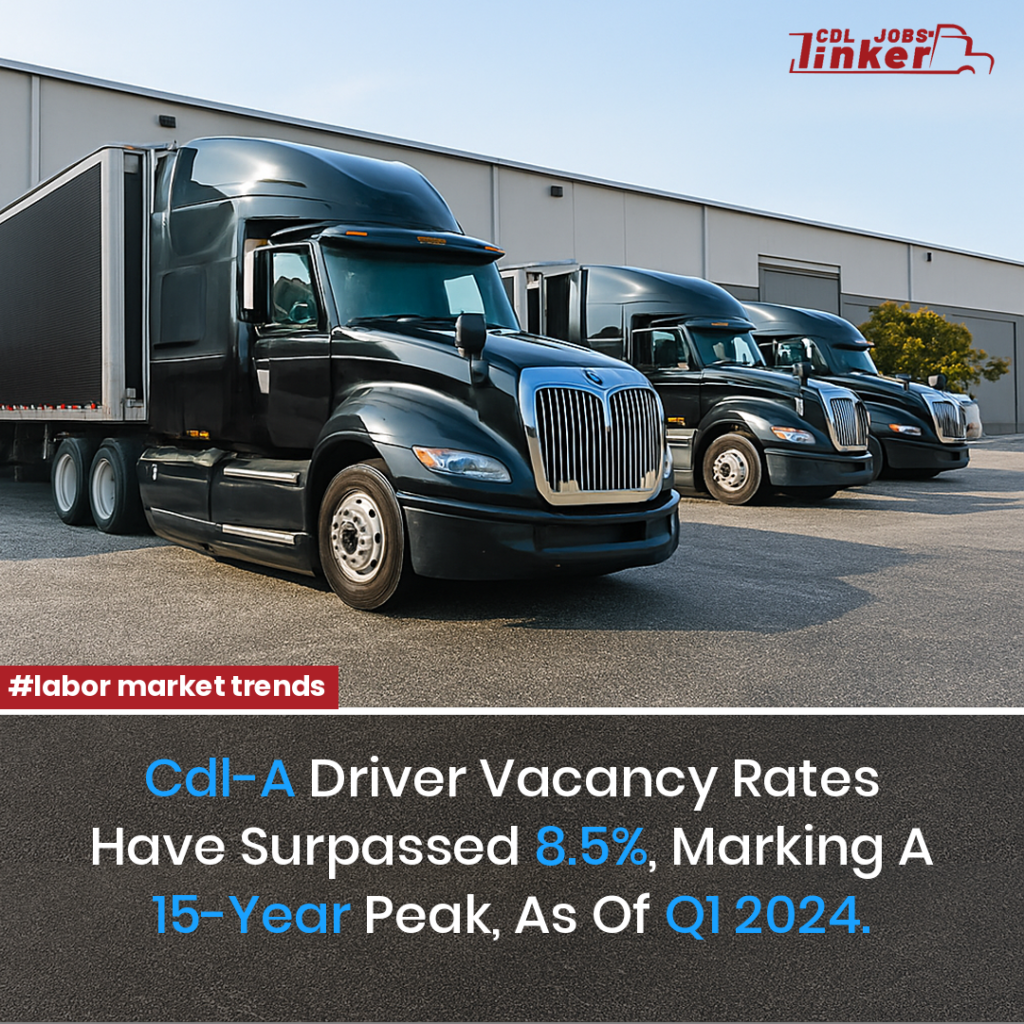
Adding to the complexity is a persistent labor shortage. The American Trucking Associations (ATA) projects the U.S. truck driver shortfall to exceed 80,000 in 2024, a continuation of a growing deficit in qualified CDL holders (ATA). At the same time, demand for freight transport remains high, creating favorable conditions for drivers to negotiate better terms.
This article aims to empower CDL drivers with practical strategies to advocate for improved pay and benefits. By understanding the current market dynamics and leveraging demand, drivers can take steps toward securing fair compensation in a competitive and essential industry.
The 2024–2025 Economic Landscape for CDL Drivers
Industry Demand and Labor Shortage
The demand for CDL drivers continues to rise in 2024 and is expected to remain strong into 2025, driven by growth in e-commerce, retail, and construction sectors. These industries have increased their freight movement needs, putting more pressure on the trucking workforce.
According to the Bureau of Labor Statistics, demand for long-haul drivers has surged by 14% year-over-year (BLS). Despite this strong demand, the industry faces a persistent labor shortage. Nearly 30% of trucking companies report ongoing difficulties in recruiting and retaining drivers, creating a chronic shortage across the board (FTR). This gap between demand and available labor has made CDL drivers an increasingly valuable asset in the logistics chain.
Inflation and Wage Growth
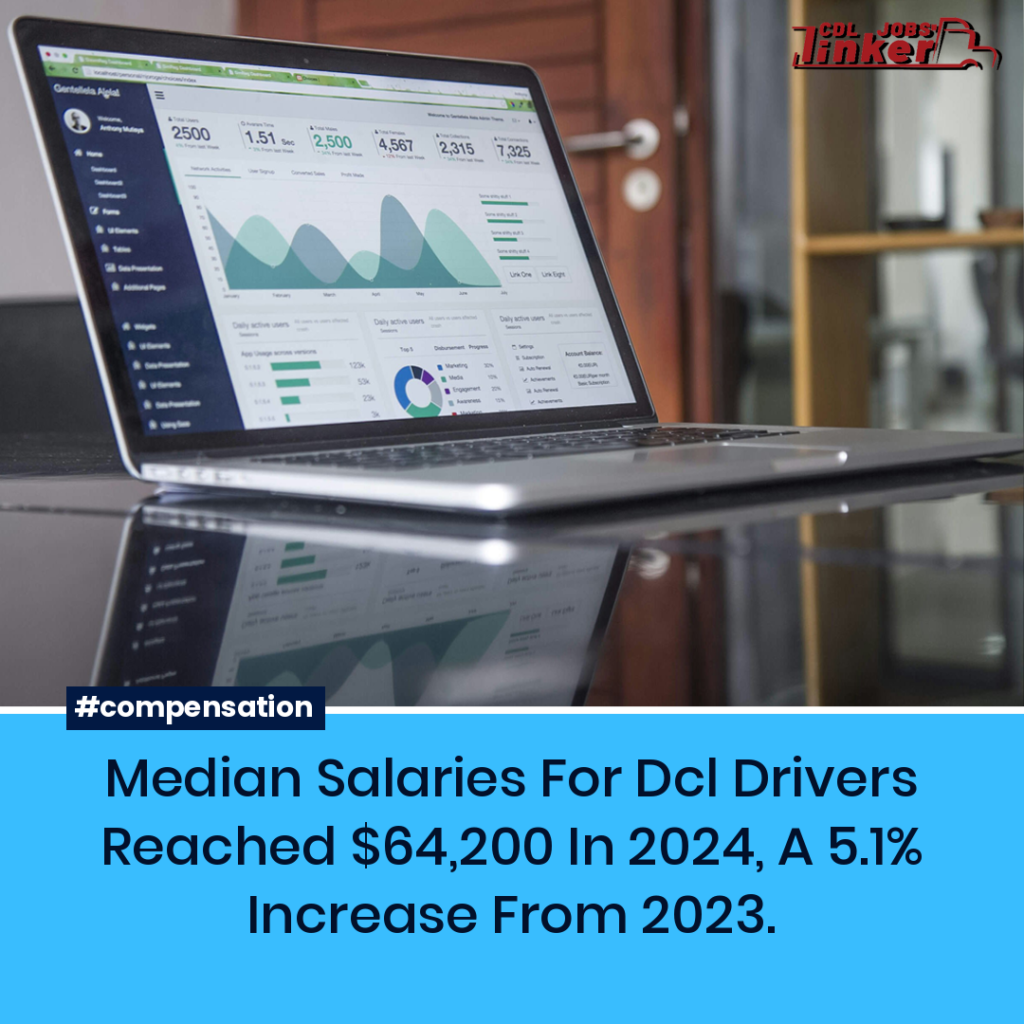
While driver demand is climbing, wage growth has not fully kept pace with inflation and rising operational expenses. In 2023, the median annual wage for heavy and tractor-trailer drivers reached $53,090—representing only a modest increase from 2022 levels (BLS). When adjusted for inflation, the real income of drivers has slightly declined, eroding the purchasing power of their earnings.
The combination of rising costs and relatively stagnant wages presents a challenge for both drivers and trucking companies. As expenses such as fuel and insurance increase, some drivers are seeing less take-home pay in real terms, even if their nominal wages have gone up.
Key Components of a Competitive Compensation Package
Beyond the Base Salary
Driver pay structures in the trucking industry vary widely, extending far beyond base salary. Two primary models dominate: hourly pay and cents-per-mile (CPM) compensation. Hourly pay can offer greater income stability and is more common in local or regional routes. On the other hand, CPM pay is standard for long-haul and over-the-road (OTR) positions, where drivers are compensated based on miles driven, incentivizing productivity.
In addition to base pay, many carriers offer performance and safety bonuses. These incentives reward drivers for maintaining clean safety records, meeting delivery schedules, and achieving fuel efficiency targets. Such bonuses not only enhance earnings but also promote company-wide standards of excellence.
Per diem pay is another critical, often-overlooked component. This benefit provides tax-advantaged compensation to long-haul drivers to cover meals and incidental expenses on the road. It can lead to substantial annual tax savings, making it an attractive feature of a total compensation package.
Retirement, Health, and Insurance Benefits
Health insurance remains a vital, yet inconsistently offered, benefit among trucking employers. According to the OOIDA Foundation, only 58% of drivers report being offered employer-sponsored healthcare. The lack of widespread access to medical coverage remains a significant concern for driver retention and well-being.
Retirement planning support is even less common. Data from the FMCSA indicates that fewer than half of carriers offer 401(k) matching or pension programs. This gap poses long-term financial challenges for drivers and highlights an area of opportunity for companies aiming to attract and retain top talent.
Time Off and Work-Life Balance
Paid time off (PTO) is becoming a more prominent feature of compensation packages, especially amid wider discussions around work-life balance. While PTO allowances in the trucking industry typically lag behind other sectors, more companies are beginning to improve their offerings to stay competitive.
The importance of home time has emerged as a critical retention factor. Drivers increasingly prioritize time with family and consistency in scheduling over incremental increases in pay. However, access to predictable schedules remains limited, especially in OTR operations, where delivery windows and freight volumes often dictate work hours.
Improving scheduling transparency, home time, and PTO availability are crucial steps in building compensation packages that address driver demands and promote long-term employment relationships.
Strategies for CDL Drivers to Negotiate Better Compensation
Know Your Value
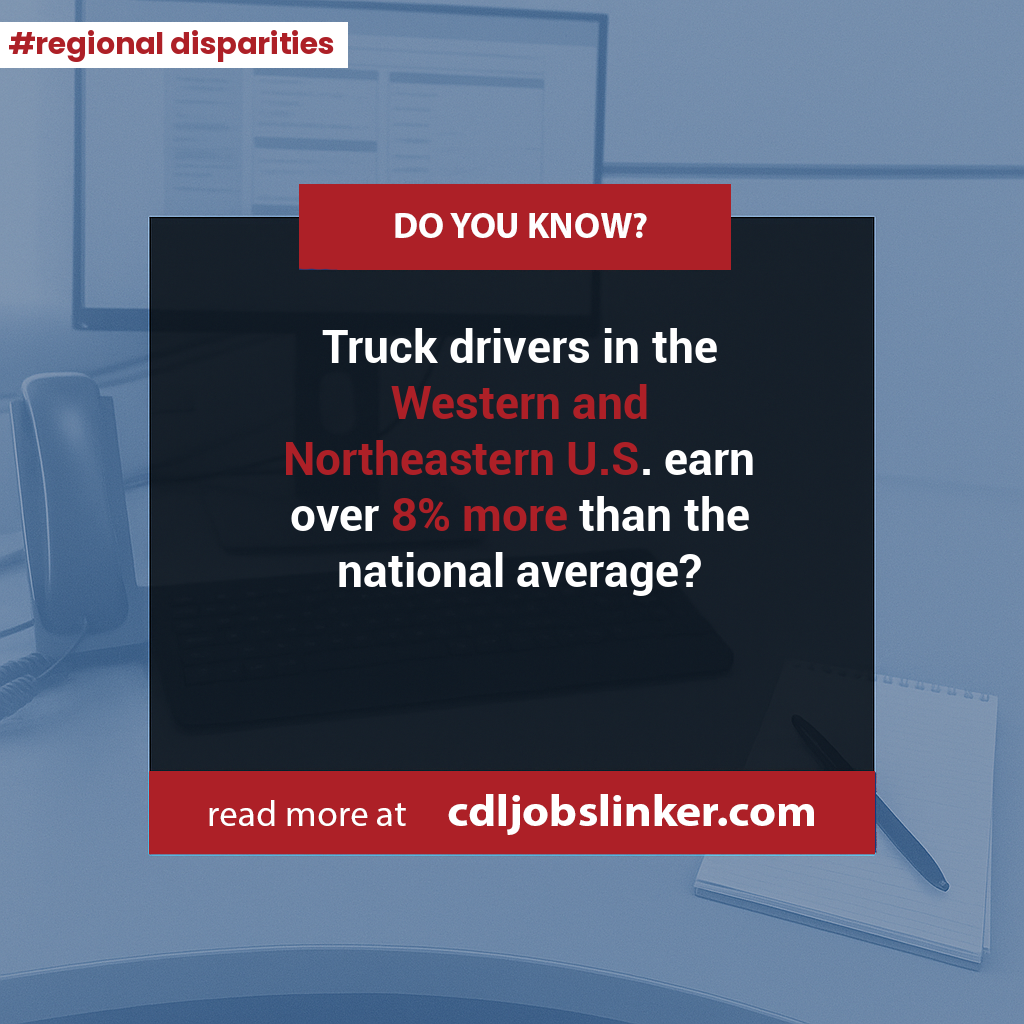
Before sitting down at any negotiation table, CDL drivers should have a clear understanding of their market worth. One effective way to do this is by utilizing wage comparison tools and reviewing industry benchmarks. According to Truckload Indexes, driver wages have increased by 8.6% since 2022 in certain regions. This data can serve as a powerful talking point for negotiating higher pay.
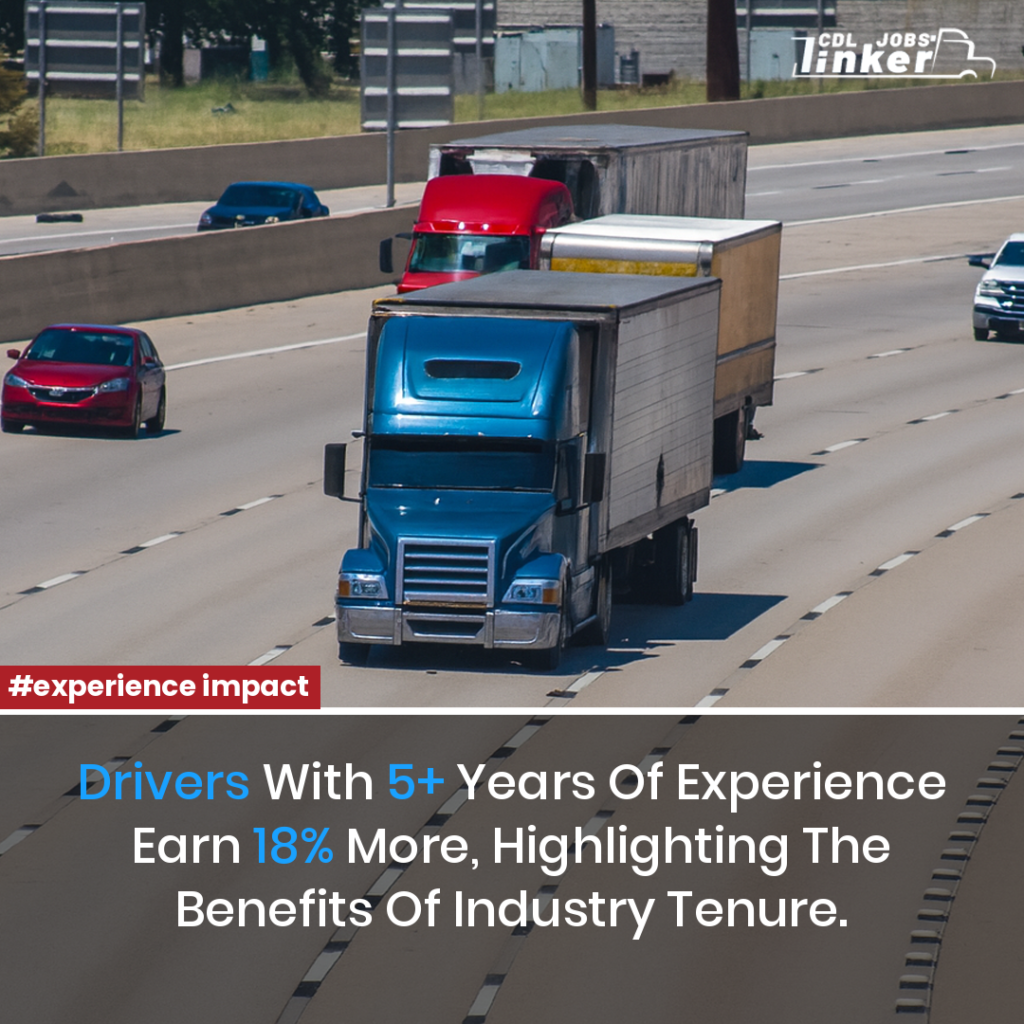
Drivers should also highlight skill-based qualifications that set them apart. Clean driving records, years of experience, and special endorsements—such as HAZMAT, doubles-triples, or tanker—can justify higher compensation. These differentiators reinforce your value and provide factual support during negotiations.
Leverage Labor Market Conditions
Today’s trucking labor market conditions often favor drivers. A widespread shortage of qualified CDL holders increases demand and gives drivers more negotiating power. Bringing competitive job offers or pay scales from rival carriers to the conversation shows employers they must stay competitive to retain talent.
In addition, drivers can reference economic factors such as cost-of-living increases and rising fuel prices to frame arguments for compensation adjustments. These realities impact everyday expenses and can support a call for better financial terms.
Prepare for the Conversation
Like any important discussion, preparation is key when negotiating compensation. Compile recent pay stubs, safety records, and performance evaluations to bring evidence of reliability and success. This documentation shows your value through a measurable lens.
It also helps to rehearse conversations beforehand. Practicing a few script templates tailored for different employer responses—supportive, hesitant, or resistant—can boost confidence and help keep the dialogue productive.
Negotiate More than Pay
Compensation encompasses more than just salary. Drivers should also consider asking for improvements in:
- Health benefits, such as lower premiums or access to a broader provider network
- Schedules that offer more predictable hours or guaranteed home time
- Tuition reimbursement for further training or CDL school
- Equity options or participation in company profit-sharing programs
Exploring these areas can lead to overall better working conditions, even when direct raises are not on the table.
The Role of Unions, Advocacy Groups, and Legislation
Unions in the Trucking Sector Today
Union representation in the trucking industry has been steadily declining in recent decades. As of the most recent data, less than 10% of drivers are unionized (BLS). This shift has reduced collective bargaining power for many drivers, particularly in for-hire and gig-based sectors. However, established unions like the International Brotherhood of Teamsters continue to play a significant role in labor negotiations and advocacy. They have been active in efforts to establish wage floors and fair labor standards for drivers.
Some recent successes include the enforcement of California’s Assembly Bill 5 (AB5), which reclassifies many independent contractors as employees, granting them access to labor rights and protections. This development, driven in part by union pressure and legal action, is setting a precedent that other states and labor groups may follow.
Advocacy and Driver Representation
Beyond unions, several advocacy organizations have emerged to represent the interests of truck drivers. The Owner-Operator Independent Drivers Association (OOIDA) acts as a major voice for small fleet owners and independent drivers, lobbying on issues like hours-of-service regulations, minimum freight rates, and fair treatment in lease agreements.
Groups like Women in Trucking and Black Truckers United work to promote diversity and inclusion within the industry, while also pushing for better working conditions. These organizations engage in public awareness campaigns and policy advocacy to address systemic challenges faced by underrepresented driver groups.
Impact of New Legislation
Legislation at both the state and federal level is increasingly influencing the structure and regulation of the trucking workforce. One major area of policy activity is the redefinition of independent contractor status, as seen in California’s AB5 law. Other states are exploring similar laws to ensure classification aligns more closely with actual working conditions.
At the federal level, agencies such as the U.S. Department of Transportation (USDOT) are paying closer attention to key driver concerns like detention time—the unpaid hours drivers spend waiting at loading docks—and wage theft practices. Regulatory efforts are underway to improve transparency and enforce compensation compliance (USDOT). These initiatives reflect growing awareness of the financial and operational pressures faced by truckers.
Carrier Strategies to Retain Drivers through Compensation
Competitive Pay Structures
To address driver shortages and reduce attrition, many carriers are rethinking how they compensate drivers. A major trend in 2024 is a shift toward hourly pay and guaranteed minimums. These changes reduce uncertainty and promote consistent earnings, appealing particularly to new entrants who may be wary of variable mileage-based pay.
Signing bonuses are also widely used as a short-term tactic to attract drivers. Among large carriers, the average signing bonus in 2024 has reached $5,000. This upfront incentive can significantly enhance the attractiveness of a position, especially in a tight labor market.
Investing in Benefits
Carriers are investing more in benefits packages that align with drivers’ needs. There’s growing recognition of the stress and health challenges drivers face, prompting fleets to offer mental health support and on-site clinics. These services not only improve wellness but also build loyalty.
Another shift is toward personalized, flexible benefits. Rather than one-size-fits-all plans, companies are providing options that allow drivers to select coverage and perks—such as paid time off or health plans—that best fit their individual lifestyles.
Reducing Turnover
Despite these efforts, driver turnover remains a significant issue, with some market segments still experiencing rates over 80% (ATA). To combat this, carriers are increasingly leveraging data analytics to customize retention strategies. By analyzing patterns in driver behavior, performance, and preferences, companies can proactively identify at-risk employees and intervene with targeted engagement or support measures.
This data-driven approach allows for more responsive and effective human resource practices, improving long-term retention.
Emerging Trends and the Future of Driver Compensation
Technology and Transparency
The trucking industry is undergoing a shift toward greater transparency, largely driven by advancements in technology. Pay transparency apps and online review platforms are enabling CDL drivers to compare compensation packages, employer reputations, and job expectations before accepting positions. These tools are creating a more competitive labor market where companies are encouraged to offer fair and straightforward pay structures.
In addition to employer transparency, drivers themselves are leveraging personal apps to track their own performance and earnings. These digital tools allow for real-time monitoring of miles driven, hours logged, and pay received, empowering drivers to better understand and advocate for their own compensation.
Flexible Work and Schedule Design
Driver preferences are influencing how companies design routes and schedules. Relay networks—systems in which drivers hand off loads midway, eliminating the need for long-haul, overnight trips—are being introduced to improve work-life balance. This approach shortens time on the road and allows drivers to return home more often.
Regionalized routes are also gaining traction. By keeping drivers within specific geographic areas, these routes reduce time away from home while maintaining productivity. The result is a model that appeals to drivers seeking both financial stability and personal flexibility.
The Future of Gig Trucking
Gig-based trucking platforms such as Uber Freight are reshaping the industry. These platforms offer contract-based hauls that allow for greater autonomy and the ability to choose when and where to work. As a result, they are attracting a growing base of independent contractors.
However, this model also presents challenges. Many drivers express concerns over inconsistent pay and the lack of traditional employment benefits such as health insurance and retirement plans. As gig trucking continues to expand, these issues will likely remain central to industry discussions around fair and sustainable driver compensation.
Resources and Tools for Drivers
Understanding how to advocate for fair compensation and navigate independent contracting requires the right resources. Below are key tools and services that can support drivers in improving their negotiation outcomes and staying informed.
Wage Benchmarking Tools
- GigWorker – Offers breakdowns of average earnings by gig type, location, and experience level.
- Glassdoor and Indeed – Provide compensation data for delivery and rideshare drivers across companies.
- MIT’s Living Wage Calculator – Helps estimate a livable income in specific regions, useful for setting earning goals.
- Gridwise – A driver assistant app that tracks earnings and compares performance to local benchmarks.
Associations Offering Negotiation Training
- Rideshare Drivers United – Offers workshops and online resources focused on wage advocacy and negotiation strategy.
- National Drivers Association – Hosts webinars and publishes materials on independent contractor rights and best practices for contract negotiation.
- Independent Drivers Guild (IDG) – Provides peer-led negotiation training programs and organizes community support for drivers.
Recommended Legal Support for Negotiating Independent Contracts
- Legal Aid at Work – Offers guidance for independent contractors, particularly around employment misclassification and contract disputes.
- Freelancers Union – Connects members with vetted legal professionals experienced in contract negotiation and review.
- LawHelp.org – A national directory of free or low-cost legal services, some of which specialize in labor issues for gig workers.
These resources can help drivers make informed decisions, negotiate more effectively, and protect their rights within the gig economy.
Conclusion

The trucking industry is undergoing significant change, presenting both challenges and opportunities for drivers, carriers, and independent operators. Key takeaways include the importance of staying informed about market trends, the value of strong organizational support, and the power of negotiation in setting fair rates and working conditions.
Empowerment in this sector comes from having access to reliable information, being organized—whether through unions, associations, or online communities—and confidently negotiating terms that reflect the true value of labor.
Now is a critical moment to reassess and reshape how work in trucking is structured. By leveraging current labor dynamics, stakeholders can advocate for fairer practices and create sustainable earning models that benefit both individuals and the industry as a whole.
FAQ
What are the highest paying trucking jobs in 2025?
The highest paying trucking jobs in 2025 will likely include specialized roles such as long-haul drivers with endorsements or those working for companies offering enhanced benefits.
How is technology changing trucking?
Technology is increasing transparency in pay structures and enabling drivers to track their performance and earnings through apps, enhancing negotiation po