
Category: Blog
-
Truck Driver Recruiting in 2026: Modern Recruiting...
Continue Reading
Truck driver recruiting in 2026: practical, modern strategies focused on speed, automation, and follow-up. Discover how modern recruiting strategies are transforming the trucking industry amid labor shortages and changing driver expectations.
- Introduction
- The Death of ‘Post and Pray’ Recruiting
- Understanding Today’s CDL Driver Market
- The Foundations of Modern Recruiting (2024–2026)
- Digital Tools and Automation as Catalysts
- Social Recruiting and Employer Branding
- Tapping Passive Candidates
- Metrics That Matter in 2026
- The Road Ahead: Preparing for Recruiting in 2026
- Conclusion
Introduction
The trucking industry is undergoing fundamental changes, and the traditional recruiting tactic known as “Post and Pray”—placing job ads and waiting for applications—no longer meets the demands of the evolving driver labor market. As seasoned drivers age out and fewer new entrants fill the gap, carriers relying on passive recruitment strategies are struggling to maintain operational capacity.
Several macroeconomic and regulatory shifts are reshaping the landscape. Persistent labor shortages, inflationary pressures affecting wage expectations, and tighter hours-of-service regulations are altering both the supply and demand for drivers. Additionally, fluctuations in freight volumes and high turnover rates compound the challenge of finding and keeping qualified talent.
In response, companies are turning to modern recruiting strategies that prioritize targeted outreach, data-driven campaigns, and streamlined technology tools. These approaches are defining how successful fleets will attract and retain drivers in the U.S. trucking industry by 2026.
The Death of ‘Post and Pray’ Recruiting
Definition and History
The ‘Post and Pray’ method is a traditional recruiting strategy where employers post job openings on job boards and then wait passively for applicants to respond. This approach was once considered standard in the trucking industry, especially before the digital age reshaped job-seeking behavior. In earlier decades, this method yielded predictable results because the labor market was less saturated and most drivers relied on classified ads or early online boards for job hunting. However, the once-effective method has lost traction due to shifting technologies and market dynamics.
Key Reasons Why It No Longer Works
- Low Response Rates
Modern data shows that ‘Post and Pray’ strategies are increasingly ineffective. As of Q4 2024, job board conversion rates for truck driver postings have dipped below 2% on average. That means fewer than 2 out of every 100 visitors to a job post actually apply, highlighting the inefficiency of relying solely on general job boards for recruitment.
- Driver Demographics
The current driver workforce skews older, with over 57% of CDL holders now over age 45. This demographic is generally less active on digital job boards and less likely to interact with mobile or online-only recruitment channels, further diminishing response rates when using ‘Post and Pray’ strategies.
- Competition Saturation
A large number of trucking carriers are using the same job posting platforms. The top five job sites receive the majority of listings, contributing to increased saturation and reduced post visibility. As more companies compete for limited attention in the same spaces, individual job listings struggle to stand out, making passive recruitment even less viable.
Understanding Today’s CDL Driver Market
Labor Supply and Demand Imbalance
The commercial driving industry is experiencing a significant labor imbalance. In 2024, the U.S. faces a shortage of approximately 78,000 commercial drivers, and this gap is projected to grow beyond 84,000 by 2025. This persistent shortage comes despite consistent freight demand and economic uncertainty, forcing transportation companies to compete more aggressively for qualified drivers. Recruiting teams, in particular, are under increased pressure to fill open roles quickly and efficiently.
Evolving Candidate Expectations
As the demand for CDL drivers rises, so do their expectations during the recruitment process. A growing number—43% of drivers—now anticipate real-time communication when applying for positions. Moreover, the application experience itself has evolved: in 2024, over 67% of driver applications were submitted via smartphones, emphasizing the importance of a mobile-first approach. Failing to meet these expectations can result in lost candidates in an already competitive labor market.
The Foundations of Modern Recruiting (2024–2026)
Data-Driven Targeting
Automation reduced applicant ghosting by 31% in truck driver recruitment communications. Recruiters increasingly rely on data to refine and optimize their targeting strategies. Programmatic advertising has become a cornerstone of recruitment campaigns, automatically placing job ads in front of high-intent candidates. In 2024, organizations using programmatic ads saw a 21% year-over-year improvement in cost per lead, reflecting gains in both efficiency and reach.
Predictive analytics is also playing a greater role in identifying which applicants are more likely to advance through the hiring funnel. By analyzing historical candidate data and behavior patterns, recruiters can better allocate time and resources to high-conversion prospects.
Recruitment Marketing Funnel Optimization
To maximize candidate engagement from initial contact through to hire, companies are mapping each touchpoint in the recruitment funnel. This allows recruiters to identify drop-off points and optimize user experience along the way.
A/B testing is widely deployed to improve results. Recruiters test ad formats, landing pages, and pre-screening tools to determine what yields the highest engagement and conversions. Meanwhile, nurturing campaigns—such as email follow-ups and personalized content—are helping keep applicants engaged. These strategies led to a 28% increase in pipeline retention in 2024, validating the impact of continuous engagement throughout the hiring journey.
Digital Tools and Automation as Catalysts
CRM and ATS Integration
The integration of Customer Relationship Management (CRM) systems with Applicant Tracking Systems (ATS) is streamlining the hiring process across the transportation industry. As of early 2025, 81% of large fleets have adopted some form of integrated CRM/ATS platform for greater hiring efficiency. These platforms help unify communication, resume parsing, and status tracking, making the recruitment pipeline more manageable.
One major benefit of integration is the automation of routine communication. By automating applicant follow-ups, companies have seen a 31% reduction in ghosting, helping recruiters maintain contact and momentum with potential hires.
Chatbots, AI Screening, and Real-Time Engagement
Artificial intelligence tools such as chatbots and automated screeners are increasingly being used to expedite applicant evaluation. AI virtual assistants now process applications up to four times faster than traditional manual methods, allowing recruiters to focus their attention on qualified candidates sooner.
In addition, real-time communication tools like live chat are proving effective for increasing candidate engagement. Carriers using live chat solutions report a 19% rise in completed applications, demonstrating the value of immediate, accessible contact during the application process.
Social Recruiting and Employer Branding
Social Channels Driving Reach
Social media continues to be a powerful tool for reaching and engaging potential drivers. In 2024, 54% of drivers report discovering job opportunities through social media platforms, with Facebook and YouTube being the most effective channels. These platforms offer carriers a direct line to a large, active user base, allowing for real-time communication and content distribution tailored to prospective applicants.
Employer Value Proposition (EVP)
A compelling Employer Value Proposition plays a central role in social recruiting success. Carriers that clearly communicate driver-centric messaging—emphasizing benefits, transparent compensation, and a supportive work culture—see a 32% reduction in cost-per-hire. Authentic content, such as video testimonials from current drivers, also significantly boosts candidate engagement. These videos generate engagement rates twice as high as other content formats, helping to humanize the brand and build trust with potential recruits.
Tapping Passive Candidates
Who Are Passive CDL Candidates?
Over 57% of CDL holders are now 45+, pushing carriers to modernize recruiting. Passive CDL candidates are licensed commercial drivers who are currently employed or not actively searching for a new position but may consider switching for the right opportunity. Unlike active job seekers, passive candidates are less likely to browse job boards or submit applications. However, they form a significant portion of the CDL labor market. As of late 2024, approximately 48% of licensed CDL drivers fall into this passive category.
Strategies to Engage
To connect with passive CDL candidates, companies must adopt targeted and persistent outreach strategies:
- Retargeting Ads: Using data on browsing behavior, employers can serve relevant job ads to drivers who have previously visited trucking-related websites or platforms.
- Email Drip Campaigns and SMS Outreach: Create automated sequences of messages that highlight job benefits, pay scales, and company culture. Text messages can provide quick updates or short pitches that prompt further interest.
- Referral Network Optimization: Encourage current drivers and staff to refer friends or former colleagues. This organic method often reaches those not actively job hunting.
- Geofencing: Deploy mobile job ads around high-traffic areas like truck stops, rest areas, and cargo terminals. These location-based ads can capture the attention of drivers while they’re on the road.
Combining these tactics allows employers to stay visible and relevant to passive drivers, increasing the chance of eventual engagement.
Metrics That Matter in 2026
Redefining Success in Driver Recruiting
As the driver recruiting landscape evolves, so do the metrics that define success. In 2026, companies are focusing on key performance indicators (KPIs) that directly reflect operational efficiency and hiring effectiveness.
- Time to Qualified Lead: is now measured from the launch of a campaign to the point when a candidate passes pre-screening. This shift emphasizes the importance of responsiveness and targeting in top-of-funnel activities.
- Cost per Hire (CPH): remains a critical benchmark. In Q3 2024, the top 25% of performers reported hiring costs under $1,500 per driver. This figure continues to serve as a north star for organizations aiming to optimize spend.
- Applicant-to-Orientation Rate: is gaining traction as a core KPI. It reflects how well initial screening processes translate into actual driver onboarding. Efficient pre-screening protocols significantly improve this rate, turning more applicants into hires without wasting resources.
Continuous Improvement Cycles
Successful recruiting teams are moving to quarterly benchmarking of their funnel KPIs. This cadence allows for faster identification of bottlenecks and more agile strategy adjustments.
Additionally, there is a notable shift toward digital oversight. Real-time dashboards and automated reporting tools have seen a 39% year-over-year growth in adoption. These tools enable teams to monitor performance as it happens, fostering a culture of continuous improvement and accountability.
The Road Ahead: Preparing for Recruiting in 2026
Adapting to AI and Machine Learning
As 2026 approaches, AI and machine learning (ML) are reshaping how organizations attract and engage talent. One key trend is the surge in AI-generated job ad personalization. With improved natural language processing and deeper user behavior analysis, recruitment platforms are delivering hyper-targeted job listings that reflect individual preferences, qualifications, and even location-based incentives.
In addition to personalization, AI systems are enabling real-time optimization of recruitment spend across platforms. Employers can automatically shift budget between job boards, social media ads, and sourcing tools based on real-time performance data, ensuring greater return on investment and better candidate engagement.
Retention and Recruitment Converge
The lines between hiring and employee retention are blurring. In 2025, 23% of HR teams reported merging their talent acquisition and retention efforts into unified strategies. This shift, often referred to as recruiting-realignment, reflects a growing need to maintain a consistent employee experience from candidate to post-hire.
Organizations are also leveraging career path visibility as a recruitment advantage. By clearly outlining growth opportunities and timelines from the outset, employers can attract candidates who are focused on long-term development. This strategy not only increases offer acceptance rates but also supports retention by aligning new hires’ expectations with internal mobility opportunities.
Conclusion
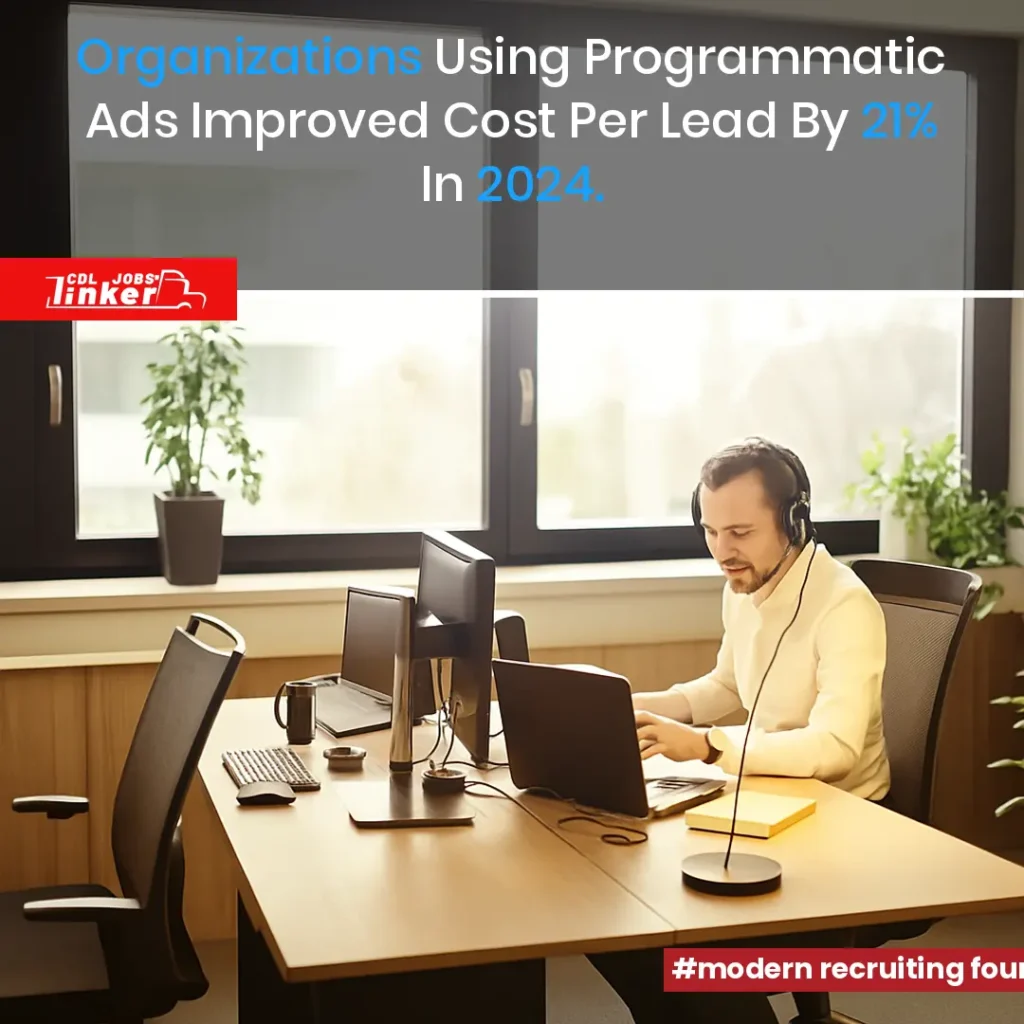
Programmatic advertising improved cost per lead by 21% Success in 2026 will belong to carriers who recruit with intention, data, and speed. The most competitive organizations will be those that recognize recruiting is no longer a numbers game—it’s a strategy. They will leverage detailed data and analytics to identify the right prospects, tailor communications, and track performance in real-time.
As the industry shifts, the age of ‘Spray and Pray’ is over. Mass outreach without targeting or follow-through won’t yield results. The future of recruiting is personalized, persistent, and strategically precise. Those who adapt will gain access to higher quality candidates and a more robust workforce to drive sustainable growth.
Frequently Asked Questions
What are the highest paying trucking jobs in 2025?
The highest paying trucking jobs in 2025 will include specialized hauling positions, long-haul trucking, and roles with regional carriers offering competitive bonuses.
How is technology changing trucking?
Technology is enhancing the trucking industry through automated recruitment processes, AI-driven tools for candidate engagement, and data analytics for performance tracking.
-
CDL Driver Pay in 2026: Key Compensation...
Continue Reading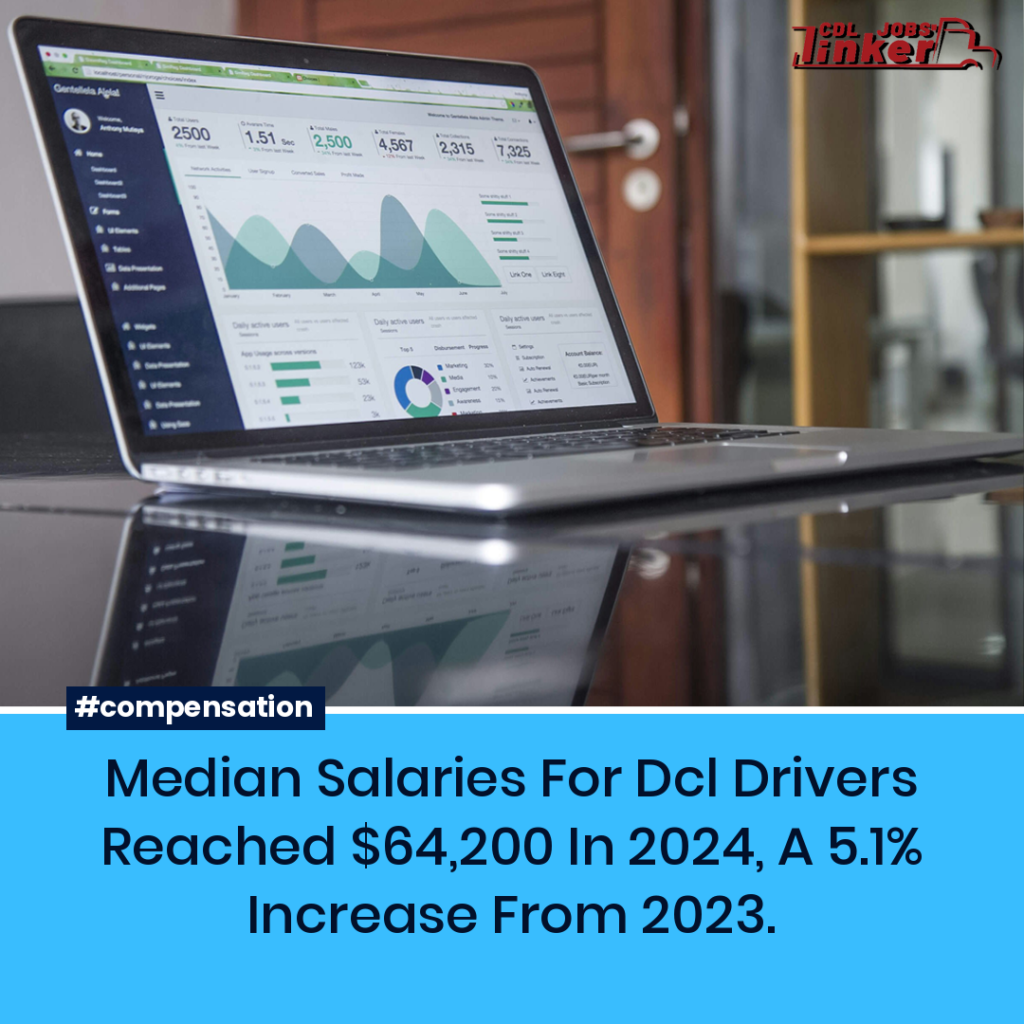
Median CDL driver pay reached $64,200 in 2024, up 5.1% from 2023. Explore strategies for CDL drivers to secure better pay amidst industry changes and labor shortages.
- Introduction
- The 2024–2025 Economic Landscape for CDL Drivers
- Key Components of a Competitive Compensation Package
- Strategies for CDL Drivers to Negotiate Better Compensation
- The Role of Unions, Advocacy Groups, and Legislation
- Carrier Strategies to Retain Drivers through Compensation
- Emerging Trends and the Future of Driver Compensation
- Resources and Tools for Drivers
- Conclusion
Introduction
The U.S. commercial trucking industry plays a critical role in the national supply chain, moving over 70% of all freight across the country. At the core of this system are CDL (Commercial Driver’s License) holders—professional drivers responsible for transporting goods safely and efficiently. Without them, the flow of essential products and materials would slow dramatically, affecting industries from agriculture to retail.
In recent years, the trucking industry has experienced significant changes. Economic trends such as inflation, supply chain bottlenecks, and evolving consumer demands have directly influenced driver compensation, leading to fluctuations in wages and benefits. While some carriers have increased pay in response to market pressures, not all drivers are receiving compensation that reflects their value and workload.
Adding to the complexity is a persistent labor shortage. The American Trucking Associations (ATA) projects the U.S. truck driver shortfall to exceed 80,000 in 2024, a continuation of a growing deficit in qualified CDL holders (ATA). At the same time, demand for freight transport remains high, creating favorable conditions for drivers to negotiate better terms.
This article aims to empower CDL drivers with practical strategies to advocate for improved pay and benefits. By understanding the current market dynamics and leveraging demand, drivers can take steps toward securing fair compensation in a competitive and essential industry.
The 2024–2025 Economic Landscape for CDL Drivers
Industry Demand and Labor Shortage
The demand for CDL drivers continues to rise in 2024 and is expected to remain strong into 2025, driven by growth in e-commerce, retail, and construction sectors. These industries have increased their freight movement needs, putting more pressure on the trucking workforce.
According to the Bureau of Labor Statistics, demand for long-haul drivers has surged by 14% year-over-year (BLS). Despite this strong demand, the industry faces a persistent labor shortage. Nearly 30% of trucking companies report ongoing difficulties in recruiting and retaining drivers, creating a chronic shortage across the board (FTR). This gap between demand and available labor has made CDL drivers an increasingly valuable asset in the logistics chain.
Inflation and Wage Growth
While driver demand is climbing, wage growth has not fully kept pace with inflation and rising operational expenses. In 2023, the median annual wage for heavy and tractor-trailer drivers reached $53,090—representing only a modest increase from 2022 levels (BLS). When adjusted for inflation, the real income of drivers has slightly declined, eroding the purchasing power of their earnings.
The combination of rising costs and relatively stagnant wages presents a challenge for both drivers and trucking companies. As expenses such as fuel and insurance increase, some drivers are seeing less take-home pay in real terms, even if their nominal wages have gone up.
Key Components of a Competitive Compensation Package
Beyond the Base Salary
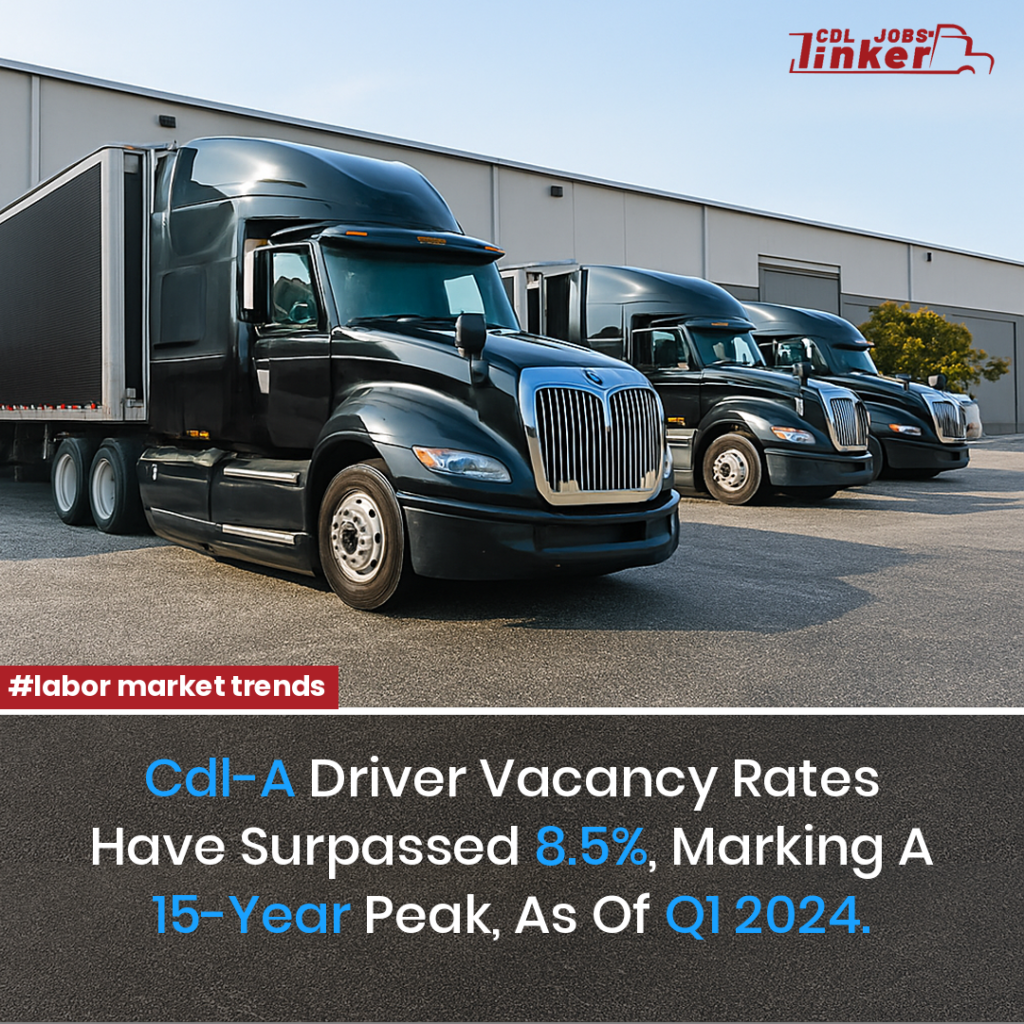
CDL-A driver vacancy rates exceeded 8.5%—a 15-year peak as of Q1 2024. Driver pay structures in the trucking industry vary widely, extending far beyond base salary. Two primary models dominate: hourly pay and cents-per-mile (CPM) compensation. Hourly pay can offer greater income stability and is more common in local or regional routes. On the other hand, CPM pay is standard for long-haul and over-the-road (OTR) positions, where drivers are compensated based on miles driven, incentivizing productivity.
In addition to base pay, many carriers offer performance and safety bonuses. These incentives reward drivers for maintaining clean safety records, meeting delivery schedules, and achieving fuel efficiency targets. Such bonuses not only enhance earnings but also promote company-wide standards of excellence.
Per diem pay is another critical, often-overlooked component. This benefit provides tax-advantaged compensation to long-haul drivers to cover meals and incidental expenses on the road. It can lead to substantial annual tax savings, making it an attractive feature of a total compensation package.
Retirement, Health, and Insurance Benefits
Health insurance remains a vital, yet inconsistently offered, benefit among trucking employers. According to the OOIDA Foundation, only 58% of drivers report being offered employer-sponsored healthcare. The lack of widespread access to medical coverage remains a significant concern for driver retention and well-being.
Retirement planning support is even less common. Data from the FMCSA indicates that fewer than half of carriers offer 401(k) matching or pension programs. This gap poses long-term financial challenges for drivers and highlights an area of opportunity for companies aiming to attract and retain top talent.
Time Off and Work-Life Balance
Paid time off (PTO) is becoming a more prominent feature of compensation packages, especially amid wider discussions around work-life balance. While PTO allowances in the trucking industry typically lag behind other sectors, more companies are beginning to improve their offerings to stay competitive.
The importance of home time has emerged as a critical retention factor. Drivers increasingly prioritize time with family and consistency in scheduling over incremental increases in pay. However, access to predictable schedules remains limited, especially in OTR operations, where delivery windows and freight volumes often dictate work hours.
Improving scheduling transparency, home time, and PTO availability are crucial steps in building compensation packages that address driver demands and promote long-term employment relationships.
Strategies for CDL Drivers to Negotiate Better Compensation
Know Your Value
Before sitting down at any negotiation table, CDL drivers should have a clear understanding of their market worth. One effective way to do this is by utilizing wage comparison tools and reviewing industry benchmarks. According to Truckload Indexes, driver wages have increased by 8.6% since 2022 in certain regions. This data can serve as a powerful talking point for negotiating higher pay.
Drivers should also highlight skill-based qualifications that set them apart. Clean driving records, years of experience, and special endorsements—such as HAZMAT, doubles-triples, or tanker—can justify higher compensation. These differentiators reinforce your value and provide factual support during negotiations.
Leverage Labor Market Conditions
Today’s trucking labor market conditions often favor drivers. A widespread shortage of qualified CDL holders increases demand and gives drivers more negotiating power. Bringing competitive job offers or pay scales from rival carriers to the conversation shows employers they must stay competitive to retain talent.
In addition, drivers can reference economic factors such as cost-of-living increases and rising fuel prices to frame arguments for compensation adjustments. These realities impact everyday expenses and can support a call for better financial terms.
Prepare for the Conversation
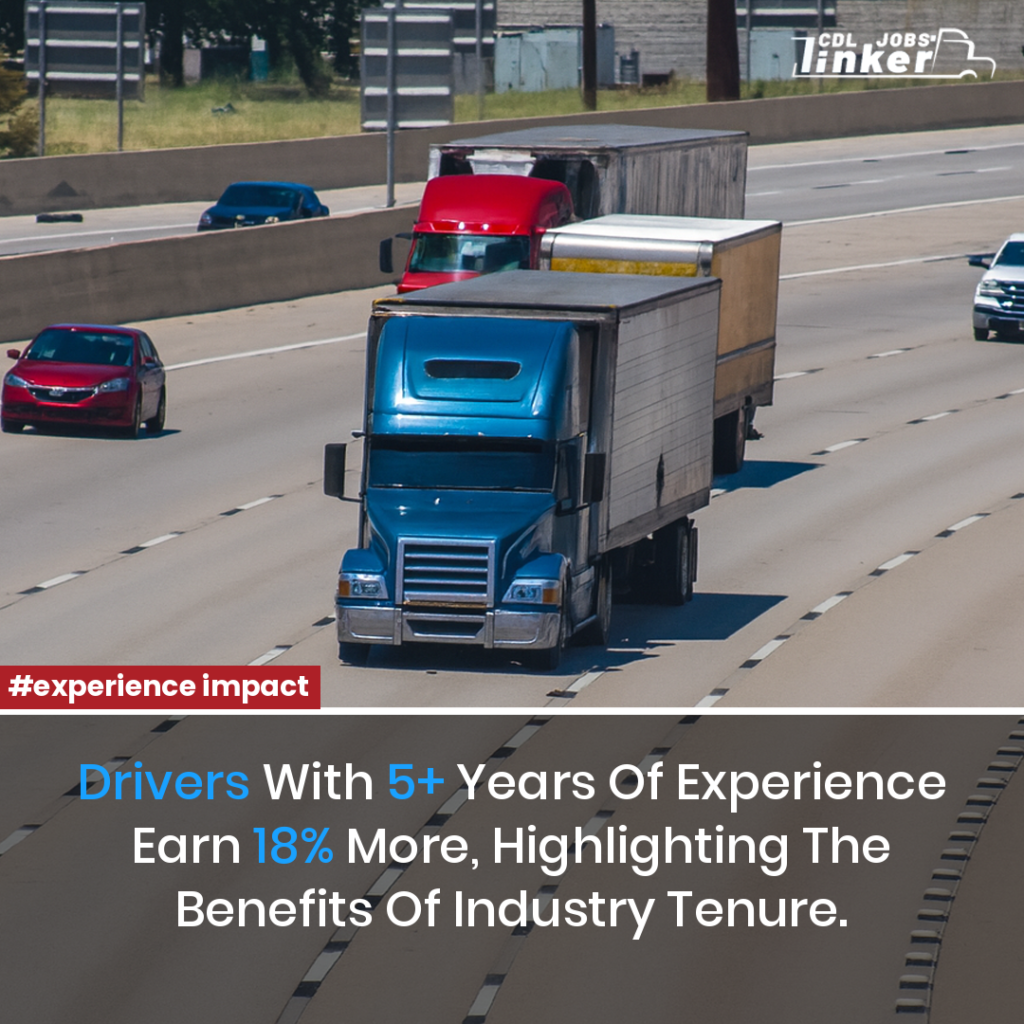
Drivers with 5+ years of experience can earn 18% more, reflecting the value of tenure Like any important discussion, preparation is key when negotiating compensation. Compile recent pay stubs, safety records, and performance evaluations to bring evidence of reliability and success. This documentation shows your value through a measurable lens.
It also helps to rehearse conversations beforehand. Practicing a few script templates tailored for different employer responses—supportive, hesitant, or resistant—can boost confidence and help keep the dialogue productive.
Negotiate More than Pay
Compensation encompasses more than just salary. Drivers should also consider asking for improvements in:
- Health benefits, such as lower premiums or access to a broader provider network
- Schedules that offer more predictable hours or guaranteed home time
- Tuition reimbursement for further training or CDL school
- Equity options or participation in company profit-sharing programs
Exploring these areas can lead to overall better working conditions, even when direct raises are not on the table.
The Role of Unions, Advocacy Groups, and Legislation
Unions in the Trucking Sector Today
Union representation in the trucking industry has been steadily declining in recent decades. As of the most recent data, less than 10% of drivers are unionized (BLS). This shift has reduced collective bargaining power for many drivers, particularly in for-hire and gig-based sectors. However, established unions like the International Brotherhood of Teamsters continue to play a significant role in labor negotiations and advocacy. They have been active in efforts to establish wage floors and fair labor standards for drivers.
Some recent successes include the enforcement of California’s Assembly Bill 5 (AB5), which reclassifies many independent contractors as employees, granting them access to labor rights and protections. This development, driven in part by union pressure and legal action, is setting a precedent that other states and labor groups may follow.
Advocacy and Driver Representation
Beyond unions, several advocacy organizations have emerged to represent the interests of truck drivers. The Owner-Operator Independent Drivers Association (OOIDA) acts as a major voice for small fleet owners and independent drivers, lobbying on issues like hours-of-service regulations, minimum freight rates, and fair treatment in lease agreements.
Groups like Women in Trucking and Black Truckers United work to promote diversity and inclusion within the industry, while also pushing for better working conditions. These organizations engage in public awareness campaigns and policy advocacy to address systemic challenges faced by underrepresented driver groups.
Impact of New Legislation
Legislation at both the state and federal level is increasingly influencing the structure and regulation of the trucking workforce. One major area of policy activity is the redefinition of independent contractor status, as seen in California’s AB5 law. Other states are exploring similar laws to ensure classification aligns more closely with actual working conditions.
At the federal level, agencies such as the U.S. Department of Transportation (USDOT) are paying closer attention to key driver concerns like detention time—the unpaid hours drivers spend waiting at loading docks—and wage theft practices. Regulatory efforts are underway to improve transparency and enforce compensation compliance (USDOT). These initiatives reflect growing awareness of the financial and operational pressures faced by truckers.
Carrier Strategies to Retain Drivers through Compensation
Competitive Pay Structures
To address driver shortages and reduce attrition, many carriers are rethinking how they compensate drivers. A major trend in 2024 is a shift toward hourly pay and guaranteed minimums. These changes reduce uncertainty and promote consistent earnings, appealing particularly to new entrants who may be wary of variable mileage-based pay.
Signing bonuses are also widely used as a short-term tactic to attract drivers. Among large carriers, the average signing bonus in 2024 has reached $5,000. This upfront incentive can significantly enhance the attractiveness of a position, especially in a tight labor market.
Investing in Benefits
Carriers are investing more in benefits packages that align with drivers’ needs. There’s growing recognition of the stress and health challenges drivers face, prompting fleets to offer mental health support and on-site clinics. These services not only improve wellness but also build loyalty.
Another shift is toward personalized, flexible benefits. Rather than one-size-fits-all plans, companies are providing options that allow drivers to select coverage and perks—such as paid time off or health plans—that best fit their individual lifestyles.
Reducing Turnover
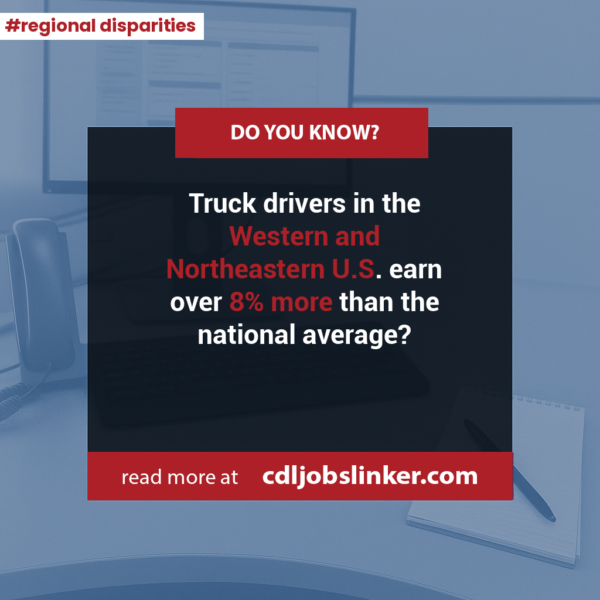
Truck drivers in the West and Northeast earn 8%+ above the national average. Despite these efforts, driver turnover remains a significant issue, with some market segments still experiencing rates over 80% (ATA). To combat this, carriers are increasingly leveraging data analytics to customize retention strategies. By analyzing patterns in driver behavior, performance, and preferences, companies can proactively identify at-risk employees and intervene with targeted engagement or support measures.
This data-driven approach allows for more responsive and effective human resource practices, improving long-term retention.
Emerging Trends and the Future of Driver Compensation
Technology and Transparency
The trucking industry is undergoing a shift toward greater transparency, largely driven by advancements in technology. Pay transparency apps and online review platforms are enabling CDL drivers to compare compensation packages, employer reputations, and job expectations before accepting positions. These tools are creating a more competitive labor market where companies are encouraged to offer fair and straightforward pay structures.
In addition to employer transparency, drivers themselves are leveraging personal apps to track their own performance and earnings. These digital tools allow for real-time monitoring of miles driven, hours logged, and pay received, empowering drivers to better understand and advocate for their own compensation.
Flexible Work and Schedule Design
Driver preferences are influencing how companies design routes and schedules. Relay networks—systems in which drivers hand off loads midway, eliminating the need for long-haul, overnight trips—are being introduced to improve work-life balance. This approach shortens time on the road and allows drivers to return home more often.
Regionalized routes are also gaining traction. By keeping drivers within specific geographic areas, these routes reduce time away from home while maintaining productivity. The result is a model that appeals to drivers seeking both financial stability and personal flexibility.
The Future of Gig Trucking
Gig-based trucking platforms such as Uber Freight are reshaping the industry. These platforms offer contract-based hauls that allow for greater autonomy and the ability to choose when and where to work. As a result, they are attracting a growing base of independent contractors.
However, this model also presents challenges. Many drivers express concerns over inconsistent pay and the lack of traditional employment benefits such as health insurance and retirement plans. As gig trucking continues to expand, these issues will likely remain central to industry discussions around fair and sustainable driver compensation.
Resources and Tools for Drivers
Understanding how to advocate for fair compensation and navigate independent contracting requires the right resources. Below are key tools and services that can support drivers in improving their negotiation outcomes and staying informed.
Wage Benchmarking Tools
- GigWorker – Offers breakdowns of average earnings by gig type, location, and experience level.
- Glassdoor and Indeed – Provide compensation data for delivery and rideshare drivers across companies.
- MIT’s Living Wage Calculator – Helps estimate a livable income in specific regions, useful for setting earning goals.
- Gridwise – A driver assistant app that tracks earnings and compares performance to local benchmarks.
Associations Offering Negotiation Training
- Rideshare Drivers United – Offers workshops and online resources focused on wage advocacy and negotiation strategy.
- National Drivers Association – Hosts webinars and publishes materials on independent contractor rights and best practices for contract negotiation.
- Independent Drivers Guild (IDG) – Provides peer-led negotiation training programs and organizes community support for drivers.
Recommended Legal Support for Negotiating Independent Contracts
- Legal Aid at Work – Offers guidance for independent contractors, particularly around employment misclassification and contract disputes.
- Freelancers Union – Connects members with vetted legal professionals experienced in contract negotiation and review.
- LawHelp.org – A national directory of free or low-cost legal services, some of which specialize in labor issues for gig workers.
These resources can help drivers make informed decisions, negotiate more effectively, and protect their rights within the gig economy.
Conclusion

Average sign-on bonuses rose to $7,800 among top carriers, signaling strong competition. The trucking industry is undergoing significant change, presenting both challenges and opportunities for drivers, carriers, and independent operators. Key takeaways include the importance of staying informed about market trends, the value of strong organizational support, and the power of negotiation in setting fair rates and working conditions.
Empowerment in this sector comes from having access to reliable information, being organized—whether through unions, associations, or online communities—and confidently negotiating terms that reflect the true value of labor.
Now is a critical moment to reassess and reshape how work in trucking is structured. By leveraging current labor dynamics, stakeholders can advocate for fairer practices and create sustainable earning models that benefit both individuals and the industry as a whole.
FAQ
What are the highest paying trucking jobs in 2025?
The highest paying trucking jobs in 2025 will likely include specialized roles such as long-haul drivers with endorsements or those working for companies offering enhanced benefits.
How is technology changing trucking?
Technology is increasing transparency in pay structures and enabling drivers to track their performance and earnings through apps, enhancing negotiation po
-
CDL Endorsements: Boost Your Trucking Career
Continue Reading
CDL endorsements explained: what they are and how they can expand your job options. Explore essential CDL endorsements and their impact on trucking careers. Learn how to enhance job opportunities and drive your success.
Introduction
- CDL Basics
- Overview of CDL Endorsements
- Detailed Breakdown of Major CDL Endorsements
- How to Obtain a CDL Endorsement
- Costs of Obtaining and Maintaining Endorsements
- What Employers Are Looking For in 2024–2025
- Future Outlook
- Conclusion
A Commercial Driver’s License (CDL) is a mandatory credential for operating large, heavy, or hazardous material vehicles across the United States. The CDL is organized into several classes based on the type of vehicle and cargo:
- Class A: For operating combination vehicles, such as tractor-trailers.
- Class B: For single vehicles heavier than 26,001 pounds, including buses and delivery trucks.
- Class C: For transporting hazardous materials or more than 16 passengers in smaller vehicles.
In addition to these classes, endorsements are certifications added to a CDL to allow drivers to operate certain types of vehicles or transport specific cargo, such as hazardous materials (H), tank vehicles (N), or passenger transport (P). These endorsements are critical in expanding a driver’s capabilities and meeting employer requirements.
As of 2024, the trucking industry has seen updates in safety protocols, training standards, and digital record-keeping requirements. Regulatory changes focus on improving driver safety and adapting to new transportation technologies. These changes have made it increasingly important for drivers to maintain updated credentials and knowledge.
The industry is also facing a significant driver shortage, particularly in areas requiring specialized endorsements. According to the ATA Report, 2024, the demand for qualified CDL holders—especially those with certifications for hazardous materials or long-haul capabilities—continues to rise. This shortage presents ongoing challenges in freight capacity and delivery timelines, making accurate licensing and endorsements more vital than ever.
CDL Basics
What is a CDL?
A Commercial Driver’s License (CDL) is a special license required to operate large, heavy, or hazardous-materials vehicles in the United States. Issued by state governments, a CDL ensures that drivers are properly trained and qualified to handle more complex driving responsibilities than standard passenger vehicles.
There are three classes of CDLs, each authorizing different types of commercial vehicles:
- Class A: Allows the holder to operate any combination of vehicles with a Gross Combination Weight Rating (GCWR) of 26,001 pounds or more, provided the towed vehicle is more than 10,000 pounds. This includes tractor-trailers and flatbeds.
- Class B: Covers single vehicles with a Gross Vehicle Weight Rating (GVWR) of 26,001 pounds or more or any such vehicle towing another weighing less than 10,000 pounds. Examples include box trucks, large buses, and dump trucks.
- Class C: Applies to vehicles designed to transport 16 or more passengers (including the driver) or carry hazardous materials, regardless of weight.
While the federal government, through the Federal Motor Carrier Safety Administration (FMCSA), sets minimum standards for CDLs, each state administers its own tests, training requirements, and application procedures. States must comply with federal standards, but they may impose additional regulations, making it important for applicants to review their specific state guidelines.
Who Needs a CDL Endorsement?
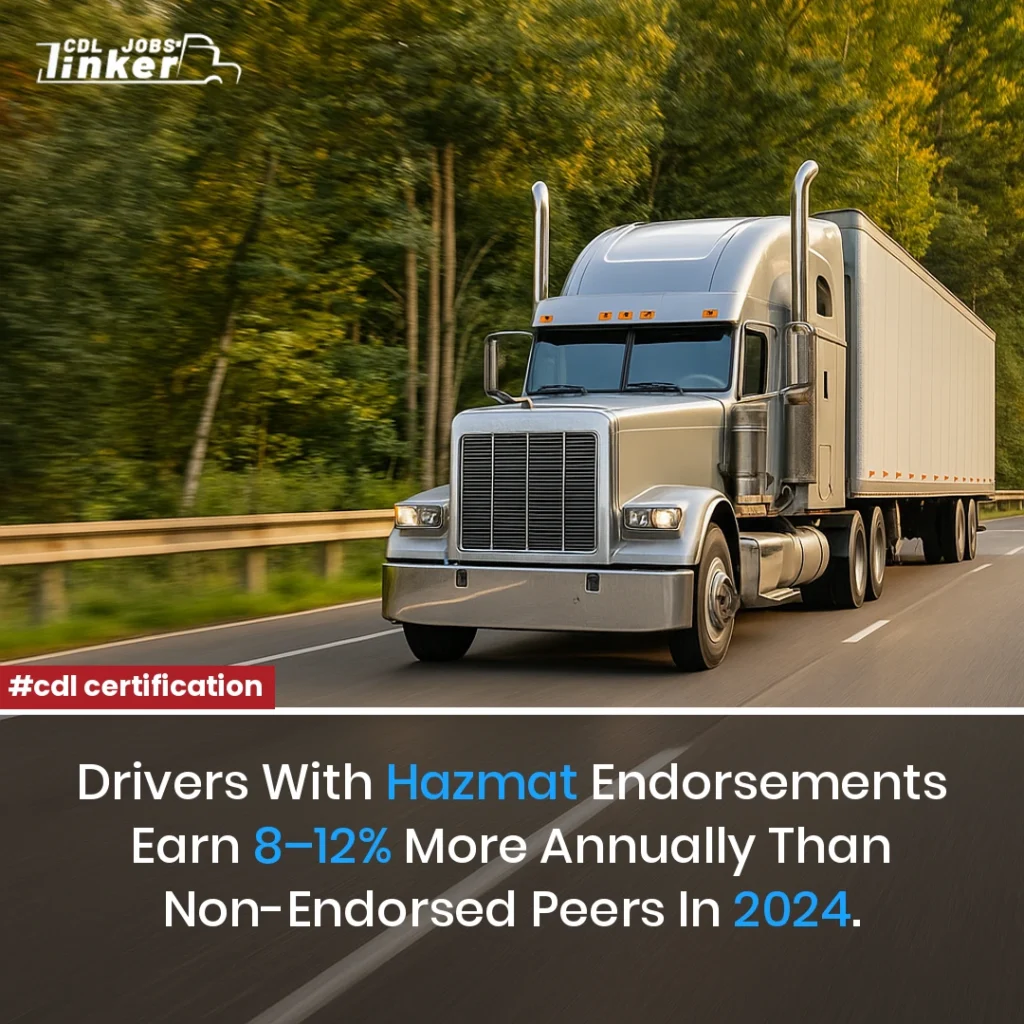
Hazmat endorsements can boost annual earnings by 8–12% versus non-endorsed drivers In addition to obtaining the appropriate CDL class, certain commercial vehicle operations require specific endorsements. These endorsements represent additional certifications that permit drivers to operate specialized vehicles or transport particular types of cargo.
Common CDL endorsements include:
- H endorsement: Required to transport hazardous materials (HazMat).
- N endorsement: Necessary for driving tank vehicles.
- P endorsement: Needed to operate passenger vehicles.
- S endorsement: Applied for school bus drivers.
- T endorsement: Permits double or triple trailer operation.
Drivers must pass additional knowledge tests—and in some cases, skills tests—to earn these endorsements. For example, HazMat endorsements require a background check by the Transportation Security Administration (TSA).
Enforcement of these requirements is handled at both state and federal levels, with penalties for non-compliance ranging from fines to disqualification of driving privileges. Employers and drivers are both held accountable for ensuring endorsements are current and applicable to the vehicles operated.
Overview of CDL Endorsements
Commercial Driver’s License (CDL) endorsements are special authorizations that allow drivers to operate certain types of commercial vehicles or carry specific cargo. Endorsements are added to a driver’s CDL after passing knowledge and/or skills tests related to the endorsement subject. Below is a list of common endorsements and a summary of how endorsements differ from restrictions.
List of Common Endorsements
- H – Hazardous Materials (HAZMAT)
- Required to transport hazardous materials. Drivers must pass a written test and complete a background check by the Transportation Security Administration (TSA).
- N – Tank Vehicles
- Allows the driver to operate a vehicle designed to transport liquid or gaseous materials in a permanently mounted tank or portable tanks with a capacity of 1,000 gallons or more.
- X – Tank plus Hazardous Materials (Combination of H and N)
- Covers both hazardous materials and tank vehicle endorsements. Drivers must meet all requirements for both H and N endorsements.
- T – Double/Triple Trailers
- Authorizes operation of double or triple trailers. A written knowledge test is required.
- P – Passenger Transport
- Required to operate a vehicle designed to carry 16 or more passengers, including the driver. Both knowledge and skills tests are needed.
- S – School Bus
- Needed to operate a school bus. It requires a background check, knowledge and road test, and possession of a P (Passenger) endorsement.
- M – Motorcycle (in some jurisdictions with commercial classification)
- Permits operation of motorcycles under commercial classification where applicable.
Endorsement vs. Restriction
Endorsements grant additional driving privileges based on experience and testing. In contrast, restrictions limit the driver’s ability to operate certain types of vehicles or equipment.
Key Differences
- Endorsements are optional and expand a driver’s qualifications.
- Restrictions are placed on a CDL when a driver is not qualified to operate a specific type of vehicle or equipment.
Common Restrictions
- L – Air Brakes Restriction: Indicates the driver is not qualified to operate vehicles with air brakes, typically due to not passing the air brake knowledge test or skills test in a vehicle with air brakes.
- E – Automatic Transmission Restriction: Applied when the skills test is taken in a vehicle with an automatic transmission, prohibiting the driver from operating manual transmission commercial vehicles.
- Z – No Full Air Brake System: Restricts the driver from operating vehicles with a full air brake system, often resulting from testing in a vehicle without one.
Detailed Breakdown of Major CDL Endorsements
1. H – Hazardous Materials (HAZMAT)
What It Covers

Pay ranges can reach $90K–$105K for certain trucking roles. The H endorsement allows drivers to transport hazardous materials that are flammable, explosive, or toxic. These include items like fuel, chemicals, gases, and radioactive substances.
Requirements
To obtain this endorsement, applicants must pass a written knowledge test and undergo a Transportation Security Administration (TSA) background check.
Market Demand & Stats
Over 18% of U.S. freight tonnage includes hazardous materials, suggesting strong demand for qualified HAZMAT drivers (PHMSA, 2023). On average, drivers with this endorsement earn 8–12% more annually than their non-endorsed peers (BLS, 2024).
2. N – Tank Vehicles
What It Covers
The N endorsement is required for operating vehicles designed to carry liquid or gaseous materials in permanent or portable tanks with an individual rated capacity of over 1,000 gallons.
Testing & Qualifications
Drivers must pass a specialized knowledge test focusing on the safe operation and handling of tank vehicles.
Industry Insight
Tanker drivers are increasingly sought after, particularly within the fuel and chemical industries, where distribution networks continue to expand (NTTC Analysis, 2024).
3. X – Combination of Tank Vehicle and HAZMAT
Why It’s Critical
The X endorsement combines both H and N endorsements, enabling drivers to haul bulk liquids that are also hazardous. This is especially important in the energy and chemical distribution sectors.
Risk & Compensation
Because of the increased liability and safety responsibilities, drivers with the X endorsement are among the highest-paid in the CDL field. Many earn between $90,000 and $105,000 annually as of 2024 (Indeed Wage Data, 2024).
4. T – Double/Triple Trailers
Description
This endorsement authorizes drivers to operate combination vehicles with two or three trailers.
Requirements
To qualify, applicants must pass a written knowledge test. No additional skills test is required.
Regulation Alerts
The use of triple trailers is restricted or banned in several states. Drivers must check with specific state Departments of Transportation to ensure compliance (FMCSA Guidelines, 2024).
5. P – Passenger Transport
Vehicle Types
The P endorsement covers vehicles designed to transport passengers, including buses, shuttle vans, and tour vehicles.
Testing Process
Applicants are required to complete both a written knowledge test and a behind-the-wheel driving exam. Some states also mandate a background check.
Career Tracks
Job opportunities span transit agencies, charter companies, and intercity transportation. Passenger carrier demand rose 7.9% between 2022 and 2023 (APTA, 2024).
6. S – School Bus
Characteristics
The S endorsement is a specialized subset of the Passenger endorsement, tailored for drivers of school buses.
Unique Requirements
Applicants must complete fingerprinting and criminal background checks, as well as pass rigorous written and road tests focused on student safety and school bus procedures.
Demand
There is a significant shortage of certified school bus drivers across the U.S., with a projected shortfall of 23,000 drivers in 2024 (NSTA, 2024).
How to Obtain a CDL Endorsement
Obtaining a Commercial Driver’s License (CDL) endorsement allows drivers to operate specialized types of commercial vehicles or carry specific cargo. Here is a step-by-step guide to the process:
Step-by-Step Process
- Hold a valid CDL (Class A, B, or C)
Before applying for any endorsement, you must already possess a valid CDL in the appropriate class for the type of vehicle you intend to drive.
- Study your state’s CDL manual and endorsement-specific materials
Each state provides a CDL manual outlining the requirements for various endorsements like HAZMAT, passenger transport (P), or school bus (S). Make sure to review the sections relevant to the endorsement you’re seeking.
- Schedule and pass knowledge or skills exams
Most endorsements require a written (knowledge) test. Some, like the school bus or passenger endorsements, also require a road (skills) test. Schedule your exams at a certified testing center.
- Pass background checks (where required)
Certain endorsements, like the HAZMAT (H) endorsement, require a Transportation Security Administration (TSA) background check. The screening includes fingerprinting and a security threat assessment.
- Fees and re-certification processes
State motor vehicle departments may charge test and application fees. Some endorsements must be re-certified periodically, especially HAZMAT, which includes ongoing TSA screenings.
Testing Tips
- Take official training programs
Enrolling in an FMCSA-approved training program can increase your chances of passing the necessary exams, especially for skill-based endorsements.
- Use online practice exams
Practice tests specific to each endorsement help familiarize you with question formats and common topics.
- Be aware of test center protocols
Arrive with appropriate identification, your current CDL, and any additional documents required for your endorsement exam.
Renewal & Medical Certification
- Endorsements typically renew with your CDL
Most endorsements are extended when you renew your standard CDL, though some may have separate requirements.
- HAZMAT requires periodic TSA screening
Drivers with a HAZMAT endorsement must complete a TSA background check every five years, or as required by state guidelines.
- Maintain medical certification
Under the Federal Motor Carrier Safety Administration (FMCSA) rules, CDL holders—including those with endorsements—must comply with medical certification requirements, including maintaining an up-to-date medical examiner’s certificate (FMCSA, 2023).
Costs of Obtaining and Maintaining Endorsements
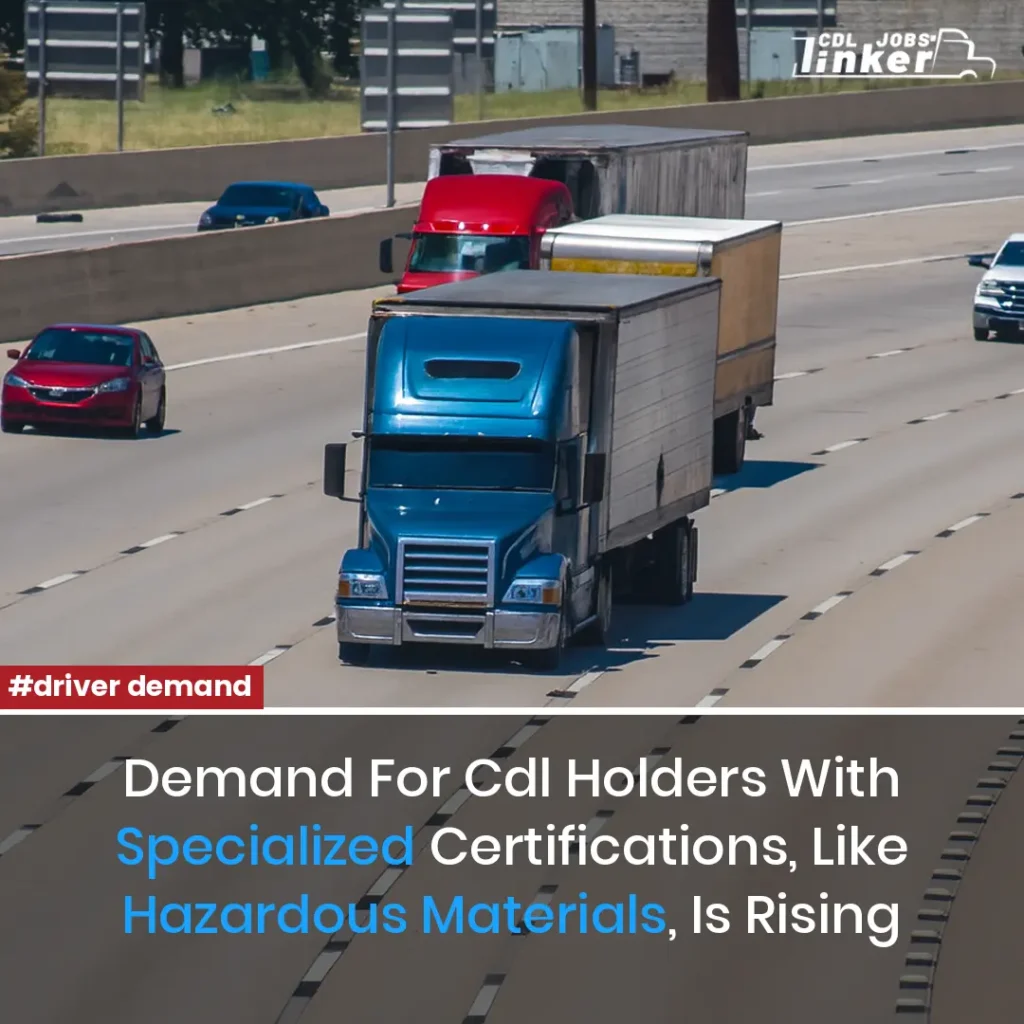
Demand is increasing for CDL drivers with specialized endorsements, including Hazmat. Obtaining and keeping endorsements on a commercial driver’s license (CDL) involves several expenses. Initial testing fees vary by state but are typically in the range of $10 to $90 per endorsement. These fees usually cover the cost of written exams required to qualify for specific endorsements like tanker, passenger, or HAZMAT.
For drivers pursuing a HAZMAT endorsement, additional costs include a Transportation Security Administration (TSA) background check. This screening costs $86.50 and must be renewed every five years.
Maintaining endorsements also often requires ongoing training, particularly for endorsements such as HAZMAT and tanker. These types of endorsements are subject to stricter regulatory oversight and safety standards, which necessitate periodic refresher courses or certification renewals.
In some cases, employers may offer or sponsor the required training as part of workforce development programs. This can help reduce out-of-pocket expenses for drivers and ensure that staff remain compliant with federal and state regulations.
What Employers Are Looking For in 2024–2025
Trending Endorsements
As the transportation industry adapts to changing economic demands, employers are prioritizing specific endorsements that reflect current logistical needs. In 2024–2025, the X endorsement has emerged as one of the most in-demand qualifications. This designation enables drivers to operate multiple types of commercial vehicles, making them a flexible asset for fleet operations.
Additionally, school bus and passenger endorsements are seeing renewed growth. A key driver of this demand is local transit stimulus funding, which has revitalized hiring across municipal and educational transportation sectors (DOT Grant Summary, 2024).
Competitive Edge Through Multi-Endorsements
Drivers holding multiple endorsements are increasingly preferred by employers. Combinations such as Hazmat (H), Tanker (N), and Double/Triple Trailers (T) allow for broader route coverage and operational versatility. The ability to assign a single driver across multiple load types reduces overhead and scheduling complexity for carriers.
To retain these multi-skilled professionals, many companies are offering targeted incentives, such as signing bonuses and tiered pay structures, making multi-endorsements a strategic asset for career growth and job security.
Future Outlook
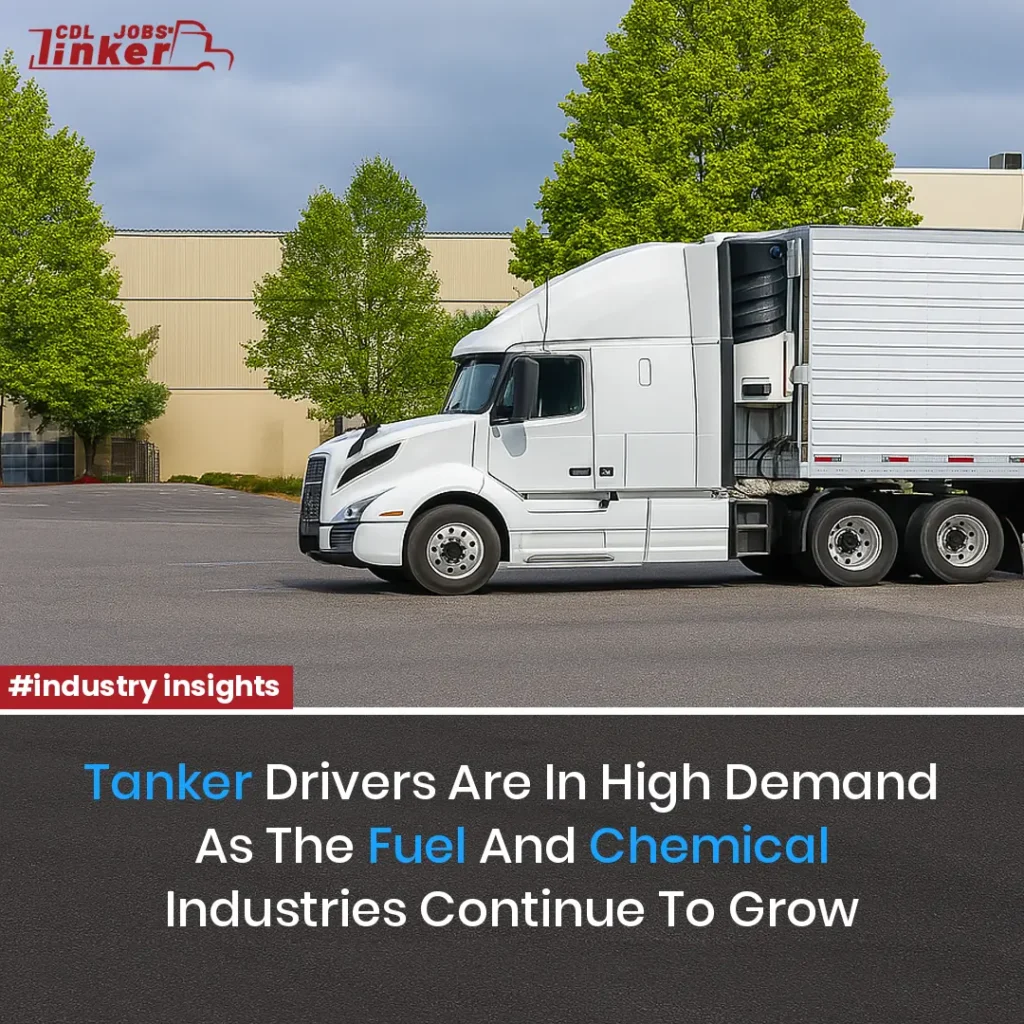
Tanker drivers remain in high demand as fuel and chemical freight continues to expand Looking ahead, the commercial driving industry is set to undergo significant regulatory and technological changes. In 2025, the Federal Motor Carrier Safety Administration (FMCSA) is scheduled to modernize the testing process for specialized endorsements such as hazardous materials and passenger transport. This initiative, listed in the DOT Rulemaking Agenda, 2024, aims to streamline examinations, reduce administrative backlog, and align testing protocols with current industry standards.
Additionally, background checks and license renewal procedures are expected to move further into digital platforms, improving efficiency and accessibility. These digitization efforts are intended to reduce paperwork for drivers and state agencies, and to establish faster turnaround times for processing approvals.
In terms of training, new mandates are being proposed for safety curriculum related to hazardous freight operations. These updates will likely require carriers and training providers to adopt standardized instruction materials and expand practical components to better prepare drivers for real-world scenarios. These steps aim to raise the safety baseline across the industry and address evolving risks in freight logistics.
Conclusion
Obtaining CDL endorsements provides several advantages for commercial drivers. Endorsements like Hazmat (H), Tanker (N), and Doubles/Triples (T) expand the range of vehicles a driver is qualified to operate, potentially leading to increased job opportunities and higher pay. Drivers with specialized endorsements are often more competitive in the job market, especially in sectors with consistent freight demand.
When deciding which endorsements to pursue, drivers should consider their long-term career goals and the specific needs of the trucking industry. Endorsements aligned with high-demand freight sectors can lead to more stable employment and career advancement.
Finally, it’s crucial for drivers to stay informed about changing state and federal transportation regulations. Regulatory updates can affect eligibility requirements and safety standards, making ongoing education a necessary part of maintaining and benefiting from CDL endorsements.
FAQ
What are the highest paying trucking jobs in 2025?
The highest paying trucking jobs in 2025 typically involve specialized endorsements such as Hazmat (H) and Tanker (N), with salaries reaching $90,000 and above.
How is technology changing trucking?
Technology in trucking is evolving with digital record-keeping, streamlined testing processes, and improved safety protocols, enhancing efficiency and driver management.
-

Owner Operators in Trucking: A Comprehensive Guide
Continue Reading
Starting as an owner-operator can require $100K+ upfront This article delves into the role of owner operators in the trucking industry, covering essential responsibilities, benefits, challenges, and steps to achieve success.
- Introduction
- Understanding the Role of an Owner Operator
- Step-by-Step Guide to Becoming an Owner Operator
- Owner Operator Financial Planning and Management
- Finding Loads and Choosing the Right Business Model
- Regulatory Changes Affecting Owner Operators (2024–2025)
- Tips for Long-Term Success as an Owner Operator
- Conclusion
Introduction
An owner operator in the U.S. trucking industry is a self-employed commercial truck driver who owns or leases their own vehicle to haul freight. Unlike company drivers, who operate trucks owned by their employer and are typically on a fixed schedule with set routes, owner operators have greater control over their business—choosing their loads, setting their schedules, and negotiating their rates.
The key difference between company drivers and owner operators lies in autonomy and responsibility. Company drivers focus solely on driving, while owner operators also handle maintenance, business expenses, and regulatory compliance. This comes with both benefits and challenges.
Owner operators often earn higher income potential and enjoy greater flexibility and independence. However, they also face risks such as fluctuating fuel costs, maintenance expenses, and the burden of running a business.
In today’s market, the demand for freight transportation has surged due to growth in e-commerce and supply chain needs. This increased demand has made the owner operator model more appealing to experienced drivers seeking financial and professional independence through self-employment.
Understanding the Role of an Owner Operator
Responsibilities
Owner operators are independent truck drivers who own and operate their own commercial vehicles. One of their core responsibilities is owning and maintaining their trucking equipment. This includes not only purchasing a reliable truck and trailer but also keeping them in good condition through regular maintenance, repairs, and upgrades.
They are also responsible for managing their routes, clients, and schedules. Unlike company drivers, owner operators must seek out and negotiate contracts, coordinate pickups and deliveries, and plan efficient routes to maximize profitability and minimize downtime.
Additionally, they handle the business side of operations. This includes preparing invoices, managing billing, tracking expenses, and handling accounting tasks. Many owner operators use accounting software or hire professionals to keep their finances organized and ensure taxes are filed correctly.
Benefits
One major benefit of being an owner operator is the potential for higher income. Since they contract directly with clients or freight brokers, they can often command better rates. There are also several tax advantages available to independent contractors, such as deductions for vehicle expenses, insurance, and depreciation.
Flexibility is another advantage. Owner operators have the freedom to choose their schedules and the routes they want to run. This level of control allows them to balance work with personal life more effectively.
Finally, they have autonomy in business decisions. From which loads to take, to who they work with, to how they operate their business, owner operators make these choices independently.
Challenges
Despite the benefits, there are significant challenges. The startup costs of becoming an owner operator are high. Buying a heavy-duty truck, securing insurance, and setting up a business all require significant capital.
Operating costs such as fuel and maintenance are ongoing expenses that can vary with market conditions. Repairs and downtime can severely impact earnings if not managed properly.
Finally, owner operators must stay up to date with regulatory requirements, including Department of Transportation (DOT) regulations, drug testing, logbooks, and safety compliance. Navigating these responsibilities can be complex and time-consuming, particularly for new operators.
Step-by-Step Guide to Becoming an Owner Operator
1. Gain Experience as a CDL Driver
Used sleeper-cab prices averaged $74,980 in Q1 2024, down 6% YoY. Before becoming an owner operator, it’s essential to build a solid foundation as a commercial driver. Most carriers and insurance providers require at least two years of safe driving experience. This period helps drivers develop operational knowledge, become familiar with various freight types, and learn the nuances of route planning, equipment handling, and federal regulations. Best practices during this stage include maintaining a clean driving record, staying compliant with Hours of Service rules, and gaining exposure to different freight lanes.
2. Create a Business Plan
A sound business plan is the roadmap to success as an owner operator. This should include detailed forecasts of startup and ongoing operational costs such as equipment, insurance, fuel, and maintenance. Identifying your target freight markets—such as reefer, dry van, or flatbed—will help tailor your strategies. According to a 2024 study by DAT Freight & Analytics, average startup costs range from $100,000 to $180,000 depending on the equipment type and geographic region (DAT Freight & Analytics). Allocating budgets for fuel, repairs, and downtime is crucial to staying profitable.
3. Choose a Business Structure
Decide whether to operate as a sole proprietorship, limited liability company (LLC), or corporation. Each comes with different tax implications, levels of personal liability, and registration requirements. An LLC, for example, offers legal protection without the double taxation corporations often face. After selecting a structure, register it with the IRS and obtain an Employer Identification Number (EIN), which is required for tax filing and business banking.
4. Secure a Commercial Driver’s License (CDL)
To legally operate a commercial vehicle, you must earn a CDL Class A license, which allows for driving vehicles with a gross combination weight rating (GCWR) of 26,001 pounds or more. Depending on your freight type, endorsements like Hazmat (H), Tanker (N), or Doubles/Triples (T) might be necessary. Additionally, passing a DOT medical exam and enrolling in a drug and alcohol testing program are required components of CDL eligibility.
5. Purchase or Lease a Truck
Choosing between buying and leasing depends on your financial situation and long-term business goals. Buying a truck provides full ownership and equity but comes with higher upfront costs. Leasing, whether through a carrier program or third party, can reduce initial investment but may include contractual restrictions. In Q1 2024, the average cost of a used sleeper cab was $74,980, representing a 6% decrease year-over-year (American Truck Dealers Association).
6. Get Required Authorities and Permits
To operate legally, you need a USDOT number and a Motor Carrier (MC) number, both issued by the Federal Motor Carrier Safety Administration (FMCSA). Additional requirements include Unified Carrier Registration (UCR), BOC-3 filing (designation of process agents), and apportioned plates through the International Fuel Tax Agreement (IFTA) and International Registration Plan (IRP). The FMCSA reported over 12,000 new motor carrier authorities issued in the first half of 2024 (Federal Motor Carrier Safety Administration).
7. Obtain Trucking Insurance
Adequate insurance is mandatory and protects your truck, cargo, and business. Core policies include primary liability (required by law), cargo insurance, and bobtail insurance when operating without a trailer. Monthly premiums vary but generally range from $800 to $1,800 depending on your driving history, region, and types of freight hauled (Sentry Insurance).
8. Set Up a Compliance & Safety Program
Staying compliant with federal and state regulations is vital. This involves maintaining electronic logging device (ELD) records, logging Hours of Service (HOS), tracking maintenance, and enrolling in a drug and alcohol testing consortium. Regular internal audits and proactive management of your Compliance, Safety, Accountability (CSA) score will help ensure that your operation remains in good standing with regulatory agencies.
Owner Operator Financial Planning and Management
Start-Up Costs Breakdown

Owner-operator insurance premiums often range $800–$1,800 per month (Sentry Insurance data). Starting an owner-operator business requires a substantial initial investment. Major start-up costs include the purchase or lease of the truck, which can range from $50,000 to over $150,000 depending on the model, year, and condition. Leasing options may reduce the upfront expense but often involve long-term financial commitments.
You’ll also need to secure various permits, register your vehicle, and purchase insurance coverage required to operate legally. These administrative costs typically add up to several thousand dollars. Additionally, it’s advisable to set aside an emergency fund and maintain sufficient working capital to cover early operational expenses and unanticipated repairs.
Ongoing Expenses
Fuel is the largest recurring expense for owner-operators, accounting for approximately 28% of total expenses in 2024. Costs can vary widely depending on fuel prices, load weight, and miles driven. Maintenance and repairs are the next major category, generally consuming 10% to 15% of revenue for a well-maintained vehicle—with older trucks often requiring more frequent service.
Insurance premiums, including liability, cargo, and physical damage coverage, are another significant ongoing cost. These premiums must be paid regularly and are subject to periodic renewal, often with adjustments based on claims history and market rates.
Average Revenue and Profit Potential
The median annual gross revenue for solo owner-operators is approximately $205,000 before expenses (Trucker Path Survey). After accounting for costs like fuel, maintenance, insurance, and administrative fees, net income typically ranges from $45,000 to $85,000 per year. Profit margins can vary widely depending on contract terms, preferred freight lanes, and overall efficiency.
Managing Cash Flow
Effective cash flow management is vital. Delays in invoicing and payment can create financial strain, especially when expenses are front-loaded. Some operators use freight factoring services to receive immediate payment on invoices, though these services charge fees that reduce overall revenue.
Load boards can help maintain consistent workflow by connecting operators with available freight, smoothing out income variability. Budgeting tools and bookkeeping software allow for accurate tracking of income and expenses, aiding in financial planning and tax preparation.
Finding Loads and Choosing the Right Business Model
Working Under a Carrier vs. Running Under Own Authority
When starting a trucking business, one of the first decisions to make is whether to operate under a larger carrier or to run under your own authority. Each option has advantages and drawbacks that impact load access, responsibilities, and overall business control.
Working under a carrier means leasing on to an established trucking company. The carrier handles compliance, insurance, and sometimes even fuel cards or maintenance coordination. This option reduces administrative burdens and often grants access to steady freight. However, carriers typically take a percentage of your earnings and limit your autonomy in choosing loads or routes.
Running under your own authority offers independence. You control your business name, loads, contracts, and operations. This allows for higher profit potential but requires more responsibility. You’ll need to handle regulatory compliance, insurance, safety audits, and broker and shipper relationships. Startup costs and time commitments are also higher.
In summary:
- Under a Carrier: Lower overhead, easier startup, less control, revenue split.
- Own Authority: Full control, greater earning potential, higher risk and responsibility.
Logistics and Load Boards
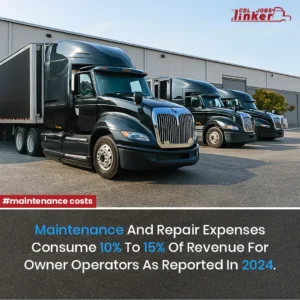
Maintenance and repairs can take 10%–15% of an owner-operator’s revenue (2024) Load boards are a key resource for sourcing freight. These platforms connect carriers with available loads posted by brokers and shippers. Leading load boards include DAT, Truckstop, 123Loadboard, and Convoy. Each board offers tools like credit checks, trip planning, and rate analytics to help carriers make informed decisions.
Carriers must also understand the difference between spot market and contract freight. The spot market is dynamic, with load rates fluctuating based on supply and demand. It’s ideal for flexibility and filling empty miles. However, it can be inconsistent and price-volatile.
Contract freight offers fixed rates and a consistent stream of loads. This model typically requires long-term agreements with shippers or brokers, providing more stability but with less flexibility in scheduling or rates.
Building a Customer Base
To move beyond dependence on load boards and brokers, carriers should focus on building direct relationships with shippers. Effective outreach strategies include cold calling logistics departments, attending industry trade shows, and networking with businesses in your region.
Joining industry directories and databases like Blue Book or Carrier411 can also improve visibility. Additionally, leveraging a mix of freight brokers can serve as a bridge while you develop steady shipper relationships. Over time, direct contracts with shippers can lead to better rates, predictable lanes, and steady income.
Regulatory Changes Affecting Owner Operators (2024–2025)
Revised Hours of Service Rules
Recent updates to the Federal Motor Carrier Safety Administration’s (FMCSA) Hours of Service (HOS) regulations are impacting how owner operators manage their driving schedules. Notably, modifications to the split sleeper berth rule now allow drivers using a sleeper berth to split their 10-hour required rest period into two periods, provided one off-duty period is at least 7 consecutive hours in the sleeper berth, and the other is no less than 3 hours. This change enhances driver flexibility but requires careful time tracking to stay compliant.
In addition, changes to the short-haul exemption have expanded the radius from 100 air miles to 150 air miles and extended the allowable on-duty period from 12 to 14 hours for qualifying drivers. These updates aim to better reflect the realities of regional and short-haul transport while maintaining safety standards.
Clean Truck Initiatives and Emission Regulations
Environmental regulations are tightening at both the federal and state levels. The U.S. Environmental Protection Agency (EPA) continues to roll out Phase 2 of its greenhouse gas (GHG) emissions standards, targeting reductions in CO2 emissions and fuel consumption for medium- and heavy-duty vehicles. These rules especially affect older trucks, potentially rendering some rigs non-compliant or less economical due to higher retrofit or replacement costs.
In California, the Advanced Clean Fleets (ACF) rule mandates that fleets transition to zero-emission vehicles over time. This rule applies not just within California—it has national implications due to California’s waiver under the Clean Air Act and its influence on nationwide manufacturing and compliance standards. Owner operators running in or through California—or those connecting with fleets that must comply—may find themselves needing to upgrade sooner than expected (California Air Resources Board).
Insurance Minimums and FMCSA Rulemaking Updates
There is pending federal legislation that proposes increasing the minimum liability insurance requirement for commercial motor carriers. The proposed changes would raise the current minimum from $750,000 to $2 million or more, citing inflation and increased crash-related costs. While aimed at improving victim compensation and financial responsibility, this increase would impose higher operating costs on small carriers and owner operators.
Separately, the FMCSA continues to review and propose updates to long-standing safety and compliance regulations. Owner operators are advised to monitor the Federal Register for developments that could impact registration, safety audits, or electronic logging device (ELD) requirements.
Tips for Long-Term Success as an Owner Operator
Maintenance and Equipment Strategy

Median gross revenue for solo owner-operators: $205,000 (before expenses) Consistent preventative maintenance is critical for extending the lifespan of your truck and minimizing costly downtime. Scheduling regular oil changes, tire inspections, and system diagnostics can help catch potential issues early. Adopting a maintenance calendar and logging all services improves reliability and resale value.
When it comes to truck replacement, evaluating cost-benefit over time is essential. Older trucks may become increasingly expensive to maintain, while newer models offer better fuel efficiency and compliance with emissions standards. A good rule of thumb is to assess replacement viability every 5 to 7 years, depending on mileage, condition, and repair frequency.
Fuel Efficiency Practices
Reducing fuel costs starts with using tools like fleet fuel cards, which offer savings and track expenses. Route optimization software can help minimize unnecessary detours and improve delivery timing, while reducing idle time preserves fuel and reduces engine wear.
The industry average for Class 8 trucks is roughly 6.5 miles per gallon (MPG), but with the introduction of aerodynamic designs, efficient drivetrains, and advanced telematics, operators can achieve up to 8 MPG or more (U.S. Department of Energy).
Networking and Industry Associations
Joining professional organizations like the Owner-Operator Independent Drivers Association (OOIDA) provides access to advocacy, legal support, and insurance options. Participation in regional trucking groups helps build local connections and create partnerships.
Online forums and load-sharing platforms also allow owner operators to exchange advice, find backhauls, and improve lane coverage. Active engagement in these communities often leads to more consistent work opportunities.
Continuing Education and Trend Monitoring
Remaining informed about freight rate trends, regulatory changes, and new equipment technologies is key to staying competitive. Subscribing to trade publications and attending industry events can help.
Modern tools like Electronic Logging Devices (ELDs), GPS-based mileage tracking, and Transportation Management Systems (TMS) streamline operations and improve compliance. Embracing these technologies increases efficiency and positions owner operators for future success.
Conclusion
Starting out as an owner operator is a challenging but rewarding journey. From securing the right commercial vehicle and navigating financing options to obtaining necessary permits and maintaining compliance, each step requires careful planning and execution. Success in this field hinges on preparation, discipline, and adaptability.
New operators must be ready to manage not only the logistics of freight but also the day-to-day responsibilities of running a business. Staying disciplined with budgeting, maintenance schedules, and regulatory updates is critical. Likewise, the ability to adapt—to new technologies, market changes, or shifts in freight demand—can mean the difference between growth and stagnation.
Looking ahead to 2024 and 2025, the freight landscape presents strong opportunities. Increased e-commerce activity and supply chain diversification are set to drive demand. Those who leverage digital tools for route optimization, load matching, and fleet management will be better positioned to succeed in this evolving environment.
The path to becoming a successful owner operator is not easy, but with the right mindset and tools, it is entirely attainable.
FAQ
What are the highest paying trucking jobs in 2025?
The highest paying trucking jobs in 2025 are expected to be those involving specialized freight such as hazardous materials and oversized loads.
How is technology changing trucking?
Technology is changing trucking through advancements in route optimization, electronic logging devices (ELDs), and telematics for improved fleet management.
-
What Trucking Companies Must Offer to Keep...
Continue Reading
Retention in 2026 will depend on stronger pay and incentives The U.S. trucking industry faces a significant driver shortage that continues to challenge freight operations across the country. With demand for goods steadily rising, the gap between available drivers and shipping needs has grown wider over the past decade.
According to the American Trucking Associations, the industry was short roughly 80,000 drivers in 2021, and this number is expected to rise if current trends continue. Looking ahead to 2025, the demand for freight capacity is projected to increase substantially, posing even greater pressure on an already strained driver workforce. This will likely make retention efforts even more critical, as competition for qualified drivers intensifies.
Understanding what’s driving this high turnover is essential for developing solutions. Key factors influencing driver retention include industry wages, working conditions, lifestyle demands, and regulatory changes. Each plays a role in shaping how long drivers stay on the job and what it takes to encourage long-term careers in trucking.
- Compensation & Financial Incentives
- Work-Life Balance and Scheduling Improvements
- Equipment Quality and Safety Technology
- Training, Career Development, and Culture
- Health, Wellness & Mental Support
- Modern Communication and Tech Access
- Inclusion, Diversity & Generational Appeal
- Policy, Regulation, and Compliance Alignment
- Conclusion
Compensation & Financial Incentives
Competitive Base Pay
In 2024, the average annual compensation for over-the-road (OTR) CDL drivers reached $69,000, reflecting continued upward pressure on wages due to driver shortages and freight demand [ATA, 2024]. Pay structures vary, with companies adopting different models including mileage-based, hourly, and salaried pay. Transparent communication about these models is key to driver satisfaction, as each format impacts earnings predictability and alignment with work expectations.
Bonuses and Performance-Based Incentives
Sign-on bonuses continue to be a widespread recruitment tool, with 47% of large fleets offering bonuses exceeding $5,000 in 2024 [NPTC, 2024]. However, while effective for attracting new hires, they are often less influential in long-term retention. Companies are increasingly focusing on incentive programs that reward longevity and safe driving. These performance-based incentives better support workforce stability and promote a culture of safety.
Benefits Beyond the Paycheck
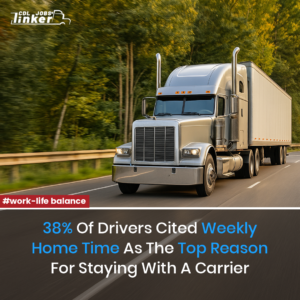
Weekly home time is a key reason drivers stay with a carrier Many fleets are enhancing their benefits packages as part of comprehensive compensation strategies. In 2024, there was notable growth in retirement benefits, including wider access to 401(k) plans with improved employer matching. Health-related benefits also saw significant gains: 85% of carriers now offer full health coverage, up from 70% in 2019 [FMSCA Survey, 2024]. Dental and vision insurance offerings are also becoming more standard, contributing to overall driver well-being.
Work-Life Balance and Scheduling Improvements
Predictable and Flexible Schedules
Trucking companies are responding to drivers’ growing demand for more predictable and flexible work schedules. A notable shift has been the increasing preference for regional and dedicated routes, which offer more routine schedules and less time away from home. In fact, regional driving jobs saw a 12% year-over-year increase in 2024 [BLS, 2024]. Additionally, many carriers have begun reducing the number of nights drivers spend away from home each week as a strategic move to improve retention and attract new talent.
Increased Home Time
Offering regular home time has become a standard feature in many carriers’ employment packages. The push toward weekly home-time options is particularly significant, as it aligns with the desires of most long-haul drivers. According to a 2024 survey, 38% of drivers ranked weekly home time as the top reason they choose to stay with a carrier [DriverIQ, 2024]. This indicates how critical home time has become to workforce stability in the trucking industry.
Time-Off Policies
Trucking companies are also enhancing their time-off benefits to support better work-life balance. Paid time off (PTO) and sick leave programs have seen significant growth across the industry. As of 2024, 64% of surveyed carriers provide PTO after just 90 days of employment, a marked increase from 45% in 2021 [NTI Index, 2024]. These improved policies reflect a broader effort to create more sustainable and appealing work environments for drivers.
Equipment Quality and Safety Technology
Modern, Comfortable Trucks
Modern fleets are focusing on providing drivers with equipment that prioritizes comfort and reliability. Newer trucks help reduce fatigue, offer better ergonomics, and require fewer repairs—factors that contribute to lower driver turnover. According to [ACT Research, 2024], the average truck age in top-performing fleets is under 3.5 years, indicating a strong commitment to maintaining a modern fleet.
Onboard Technology
Advanced onboard safety and productivity technologies are now standard features in many fleets. Safety systems such as lane assist, collision mitigation, and dash cams play a key role in accident prevention and post-incident investigation. Additionally, fleets are using tablets, integrated routing software, and real-time load tracking tools to improve operational efficiency. In 2024, 72% of large fleets reported investing in ELD-integrated route optimization technologies [CCJ, 2024], reflecting the growing importance of digital tools in fleet management.
Training, Career Development, and Culture
Structured Onboarding Programs
The driver shortage remains a major industry challenge Structured onboarding plays a crucial role in boosting driver retention and promoting a strong safety culture. Multimodal training approaches—combining classroom instruction, hands-on experience, and digital learning tools—help reinforce safety protocols while engaging new drivers more effectively. Companies leveraging phased training models, where instruction is delivered in stages over time, have seen higher retention rates among first-year drivers as these programs offer ongoing support and skill reinforcement during critical early months.
Career Pathways & Promotability
Clear advancement opportunities within fleets can encourage long-term commitment among drivers. Organizations that outline transparent career pathways to positions such as trainer, dispatcher, or safety officer foster a sense of mobility and growth. Notably, fleets with internal CDL upgrading programs reported 19% lower turnover [ATA Workforce Report, 2024]. These policies not only diversify the skills of the driving workforce but also strengthen internal promotion pipelines.
Respectful Company Culture
Drivers are more likely to stay with employers that promote a respectful, communicative environment. Initiatives like driver councils and structured feedback systems give employees a voice in operational decisions and policies. Fleets that maintain quarterly driver surveys retain 22% more drivers, indicating that sustained two-way communication fosters loyalty and engagement [NTDC Insights, 2024]. A professional and responsive company culture reinforces driver value and organizational trust.
Health, Wellness & Mental Support
Physical Wellness
Trucking companies are increasingly recognizing the importance of physical wellness for their drivers. On-road access to gyms, improved sleep support, and healthier food partnerships have become more common. These resources help drivers maintain their physical health despite long hours on the road. As of 2024, 44% of fleets now offer subsidized health programs through mobile apps or healthcare provider partnerships, according to the [CDC Transport Health Survey, 2024].
Mental Health & Emotional Support
Mental and emotional health are vital in an industry where isolation and burnout are common. Many fleets now provide Employee Assistance Programs (EAPs), access to digital coaching services, and opportunities for peer support. To further support mental wellness, digital counseling is also being made more accessible, allowing drivers to seek help when and where they need it. These efforts aim to reduce stress and enhance emotional resilience among drivers.
Modern Communication and Tech Access
Always-On Support Channels
The transportation industry is increasingly relying on always-on support channels to ensure timely communication and reduce downtime. Dispatch reliability is crucial, and many operations teams have implemented 24/7 availability models to support drivers on the road.
In addition, mobile-based apps and chat systems are becoming more common, enabling drivers to get instant access to support, scheduling, and key operational updates. These tools not only streamline communication but also improve driver experience by reducing the wait time for help or information.
Transparent Feedback Loops
Fleets are now integrating AI-driven tools to gather and analyze driver feedback more effectively. AI-based surveys and sentiment analytics help companies monitor morale and identify issues before they escalate.
According to a 2024 report, fleets using quarterly driver sentiment AI reporting saw turnover drop by 16% [TruckingTech Review, 2024]. By establishing transparent and regular feedback loops, organizations can make informed adjustments to policies or operations, resulting in better retention and overall job satisfaction.
Inclusion, Diversity & Generational Appeal
Recruiting and Retaining Younger Drivers
Full health coverage is becoming standard—85% of carriers offered it by 2024, up from 70% in 2019. The trucking industry is making strides to attract younger generations, particularly Gen Z and Millennials, by aligning recruitment efforts with values important to these groups. Purpose-driven branding—highlighting sustainability, community impact, and innovation—is increasingly being used in outreach campaigns to connect with younger audiences. These drivers are more likely to be drawn to employers who stand for something beyond profits.
Another key factor is the emphasis on career stability. With the rise of automation and gig economy work, stable career paths with benefits and long-term growth are appealing to younger workers. Companies that promote structured training programs, advancement opportunities, and reliable income are better positioned to engage this demographic.
Fleet modernization also plays a role. Younger drivers are interested in tech-forward trucking companies that invest in safety technologies, telematics, and efficient logistics systems. A modern, well-maintained fleet signals a forward-thinking employer, which can be a decisive factor in attracting and retaining younger talent.
Gender & Ethnic Inclusion
Efforts to improve gender and ethnic diversity in the trucking workforce are gaining momentum. Companies are implementing policies to support female drivers, such as guaranteeing safe and private restroom access at facilities and enacting stringent anti-harassment measures. These initiatives aim to create a more inclusive and secure environment for women on the road.
The results of inclusion efforts are beginning to show. Women now make up 12% of the trucking workforce, an increase from 8.5% in 2020 [Women In Trucking, 2024]. Providing targeted support and inclusivity measures not only helps retain female drivers but also encourages others to join the profession.
Ethnic inclusion is also being addressed through expanded recruiting in diverse communities, bilingual training programs, and mentorship opportunities. These steps help ensure that trucking reflects the broader diversity of the population it serves.
Policy, Regulation, and Compliance Alignment
Staying Ahead of FMCSA Regulations
Staying compliant with Federal Motor Carrier Safety Administration (FMCSA) regulations requires ongoing attention to evolving rules and initiatives. Recent updates in drug and alcohol testing procedures demand that fleet operators reassess policies to ensure proper implementation, especially with the increased scrutiny surrounding cannabis use. Carriers are also facing updates to Hours of Service (HOS) rules, pushing organizations to revise driver scheduling practices and monitoring systems to maintain compliance.
Additionally, safety compliance remains a critical area where proactive investment can reduce risk. Many carriers are expanding training to address high-risk concerns, such as the implications of legalized cannabis in some states and the increasing scrutiny on sleep disorders like sleep apnea. Equipping safety and HR departments with current knowledge is key for preventing disqualifying incidents and navigating nuanced regulations effectively.
Immigration and CDL Access Expansion
To address the industry’s labor shortage, trucking stakeholders are working to expand access to commercial driver’s licenses (CDLs) through immigration pathways. This includes support for green card eligibility reform and the implementation of transportation-specific apprentice visa programs, both of which have gained bipartisan backing.
In 2024 alone, over 6,000 immigrant drivers entered the workforce under pilot programs approved by federal authorities [DOT Press Release, 2024]. These initiatives are helping to close driver gaps while aligning workforce development with federal transportation priorities.
Conclusion
Modern fleets improve reliability, safety, and driver comfort. Read more at cdljobslinker.com Holistic driver support will be the key to retention in 2025. As the market becomes more competitive, fleets that only focus on compensation will fall behind. Successful companies will be those that support drivers across multiple dimensions—offering flexible schedules, access to better technology, and a sense of shared purpose.
Smart fleets need to strike the right balance between pay, lifestyle, technology, and mission. Drivers are looking for more than just routes—they want respect, modern tools, and alignment with company values.
To attract and retain the workforce of the future, fleets must commit to a culture of consistency and competitive empathy. The companies that lead in culture will lead in performance.
FAQ
What are the highest paying trucking jobs in 2025?
In 2025, the highest paying trucking jobs will likely be over-the-road (OTR) positions, with average annual compensation around $69,000.
How is technology changing trucking?
Technology is enhancing trucking with advanced safety systems, onboard productivity tools, and improved communication channels, leading to better efficiency and driver satisfaction.
-
The Rise of Local Truck Driving in...
Continue Reading
Since mid-2023, last-mile carriers increased local driver hiring by 23% due to e-commerce growth Local truck drivers are a critical component of the U.S. supply chain. They operate within regional boundaries, often returning home at the end of each shift, and serve as the backbone of urban logistics and regional freight fulfillment. Their work ensures that goods move from distribution centers to retail locations, warehouses, or directly to consumers efficiently and reliably.
Since the COVID-19 pandemic, labor patterns in the transportation sector have shifted. Many drivers now favor local routes over long-haul positions. This change is driven by a desire for more predictable hours, family time, and improved work-life balance. In turn, this trend has reshaped the logistics industry, increasing the demand for local drivers to support ecommerce growth and last-mile delivery operations.
Urban areas especially rely on local drivers to meet the fast-paced demands of last-mile logistics. Whether it’s delivering packages for major retailers or transporting inventory between local hubs, local truck drivers now play an increasingly vital role in keeping supply chains responsive and adaptive to consumer needs.
- Defining Local Truck Driving
- Common Sectors Employing Local Drivers
- Job Market Trends and Labor Statistics (2024–2025)
- Key Advantages of Local Truck Driving
- Challenges Facing Local Truck Drivers
- Industry Demand Drivers for Local CDL Talent
- Licensing, Regulation, and Certification
- Employer Types and Business Models
- Preparing for a Career in Local Truck Driving
- Conclusion
Defining Local Truck Driving
Key Characteristics
Local truck driving is defined by several distinguishing factors that set it apart from regional and long-haul operations.
One of the key characteristics is a daily return-to-home schedule. Local truck drivers typically complete their routes within a single workday, allowing them to return home at the end of each shift. This is a major advantage for drivers seeking work-life balance.
Another defining feature is the radius of travel, which usually falls under 150 air miles from the driver’s home terminal. This limit aligns with certain Department of Transportation (DOT) regulations and often exempts drivers from requirements like maintaining daily logs under specific conditions.
The types of vehicles used in local truck driving also differ from those used in long-haul transport. Common vehicle types include straight trucks, day cabs, and box trucks. These vehicles are better suited for short-haul routes and frequent stops, often found in urban and suburban driving environments.
Common Sectors Employing Local Drivers
Congestion impact: local drivers can spend 21% of working hours stuck in urban traffic Local truck drivers find employment across a variety of industries that rely on timely and consistent ground transport within a confined geographic area.
Grocery and food distribution is one of the most active sectors, where drivers deliver perishable goods from warehouses to retail locations on strict schedules.
Parcel and last-mile delivery companies depend heavily on local drivers to bring packages directly to consumers, especially in the age of e-commerce.
In retail replenishment and warehousing, local drivers are responsible for transporting inventory loads between distribution centers and storefronts.
The construction and raw material hauling industry needs local drivers to move supplies such as sand, gravel, and equipment to and from job sites—often multiple times a day.
Finally, local third-party logistics (3PL) contractors employ drivers to handle outsourced transport needs for companies lacking their own delivery fleets.
Job Market Trends and Labor Statistics (2024–2025)
Employment Outlook
As of early 2024, the U.S. trucking sector employed over 1.6 million heavy and tractor-trailer truck drivers, highlighting the industry’s significant role in the national economy (BLS). Looking ahead, local driver jobs are expected to grow at a rate of 4% annually through 2025, outpacing the growth of long-haul positions (FMCSA). This trend reflects both evolving industry logistics and shifting demand for quicker, localized freight delivery services.
Driver Preferences Are Shifting
Driver preferences are evolving as well. In Q1 of 2024, 72% of surveyed Commercial Driver’s License (CDL) holders expressed a preference for local routes over regional or over-the-road (OTR) roles, primarily citing work-life balance as a key factor (ATA). Among younger drivers—those under 30 years old—this trend is even more pronounced, with 83% indicating a preference for local or dedicated routes (Drive Research).
Wage Trends and Comparisons
In 2024, local truck drivers earn a median annual salary of $57,400, with an average hourly rate of $27.60—a year-over-year increase of 8% (Indeed). While over-the-road drivers have a higher median salary of $65,400, this comes with longer hours and extended time away from home. These trade-offs are influencing the growing appeal of local driving positions among today’s CDL workforce.
Key Advantages of Local Truck Driving
Lifestyle and Schedule Benefits
One of the primary advantages of local truck driving is the improved lifestyle and predictable schedule it offers. Drivers typically return home at the end of each shift, which significantly enhances personal well-being and contributes to higher job satisfaction. This daily home time also supports better work-life balance, leading to improved driver morale and increased retention rates among employers.
Shift predictability is another major benefit. Local routes often follow consistent patterns, helping drivers plan their personal lives more effectively. This regularity is especially valuable for individuals with families or other obligations outside of work.
Moreover, local driving positions often allow for flexible work arrangements. Part-time roles and flexible scheduling options are more commonly available, attracting individuals who seek non-traditional working hours or a reduced workload.
Health and Safety Considerations
Local truck driving typically involves shorter routes, which directly impacts safety and health. Shorter hauls help minimize fatigue, a leading factor in trucking accidents. According to the National Highway Traffic Safety Administration (NHTSA), local route drivers average about 8.2 hours on the road per day, compared to 11.4 hours for over-the-road (OTR) drivers. The reduced driving time lowers exposure to risk and supports safer trip completion rates.
Local drivers also benefit from improved access to healthcare facilities, fresh food options, and rest facilities. Since they operate within a confined geographic area, it’s easier for them to find services to support their well-being. This accessibility promotes healthier lifestyles and allows for quicker response in case of medical issues.
Entry-Level Accessibility
Local truck driving often serves as a practical entry point for individuals new to the industry. Many local positions are open to recent Commercial Driver’s License (CDL) graduates, enabling faster workforce entry.
Unlike long-haul jobs that may require extensive orientation or weeks-long training programs, local driving positions frequently offer shorter, location-specific training. This approach eases the transition from the classroom to the highway.
Additionally, the demand for local drivers is typically higher in metropolitan and suburban areas. This concentration of opportunities makes it easier for new drivers to find employment close to home, reducing the need for relocation or extended travel during the job search.
Challenges Facing Local Truck Drivers
Compensation and Hours
Median pay for local truck drivers increased by 8% (wage trends). Local truck drivers often face lower earning potential compared to their long-haul counterparts. Because most local positions pay by the hour rather than by mileage or completed deliveries, earnings can fluctuate due to route delays, traffic, or extended loading and unloading times. While hourly rates have seen nominal increases in recent years, workers’ real wages have remained stagnant. When adjusted for the Consumer Price Index (CPI), compensation gains between 2022 and 2024 have effectively been neutralized by inflation (Bureau of Labor Statistics).
Urban Congestion and Route Complexity
Navigating dense urban areas poses its own set of challenges for local drivers. According to the Federal Highway Administration, local drivers can spend up to 21% of their working hours stuck in traffic congestion (FHWA). In addition to traffic, complex delivery locations like narrow alleys, downtown loading docks, and residential streets require advanced driving skills and increase the time needed to complete stops.
Physical Demands and Customer Interaction
Unlike some long-haul roles, local delivery often involves manual handling of freight. Food service, beverage distribution, and retail deliveries commonly require drivers to unload goods themselves, which increases fatigue and risk of repetitive strain injuries. The high frequency of stops adds to the physical toll. Additionally, local drivers interact more regularly with store managers, kitchen staff, and homeowners, necessitating effective communication and customer service skills as essential parts of the job.
Industry Demand Drivers for Local CDL Talent
Surge in E-commerce and Last-Mile Delivery
E-commerce continues to reshape the logistics landscape. Projections show that its share of U.S. retail sales will reach 26.5% by the end of 2025, according to the U.S. Census Bureau. This sustained growth exerts pressure on delivery networks, especially for fast, localized delivery services that rely on commercial drivers with CDL licenses.
Last-mile delivery has seen a marked expansion in both volume and scope. Since mid-2023, last-mile carriers have increased hiring of non-OTR (over-the-road) drivers by 23%, based on data from CBRE Logistics. This hiring trend reflects the need for drivers who can handle regional routes and urban delivery demands where speed and flexibility are critical.
Regional Freight Realignment
Another key driver of local CDL talent demand is the realignment of freight distribution to be closer to consumers. Companies are investing in micro-fulfillment centers near densely populated areas to cut delivery times and improve efficiency. This localization strategy increases the need for local and regional drivers rather than long-haul operators.
Certain regions are becoming transportation hubs due to these logistical shifts. Cities such as Kansas City, Columbus, and Memphis—often referred to as “inland ports”—are experiencing notable increases in freight volume. This, in turn, has created higher demand for CDL-A and CDL-B drivers who can support expanded regional operations. In fact, 56% of less-than-truckload (LTL) fleet operators cited the need for more local CDL-A and B drivers in Q2 2024, according to a TT News Survey.
Licensing, Regulation, and Certification
Required Credentials
Local truck drivers must hold a valid Commercial Driver’s License (CDL), typically Class A or Class B, depending on the type of vehicle being operated and the nature of the freight. Class A is generally required for operating vehicles with a gross combination weight rating (GCWR) of 26,001 pounds or more, including a towed unit weighing over 10,000 pounds. Class B covers single vehicles with a GCWR of 26,001 pounds or more, or such vehicles towing a unit weighing less than 10,000 pounds.
All drivers are also required to pass a Department of Transportation (DOT) physical examination, which evaluates overall health, vision, hearing, and any conditions that could impair safe driving. Successfully passing this exam results in the issuance of a medical certificate, which must be kept valid and carried at all times.
Even for short-haul routes, drivers must comply with the Federal Motor Carrier Safety Administration (FMCSA) Hours of Service (HOS) rules. These regulations limit driving hours and mandate rest periods to reduce fatigue and improve road safety.
Special Endorsements and Local Skillsets
Depending on the type of materials transported, local truck drivers may need additional endorsements on their CDL. Common endorsements include air brakes (required for operating vehicles equipped with air brake systems), tanker endorsements (for transporting liquids in bulk), and hazardous materials (HAZMAT) endorsements for carrying substances classified as dangerous. Each endorsement requires additional written tests and, for HAZMAT, a background check by the Transportation Security Administration (TSA).
Local drivers also benefit from strong knowledge of regional traffic laws, road conditions, and infrastructure. Familiarity with local delivery restrictions, peak traffic hours, and weather-related challenges enhances efficiency and safety. These localized skills are especially important in urban environments, where tight streets and delivery schedules demand precision driving and strong logistical awareness.
Employer Types and Business Models
Common Employers of Local Drivers
Driver preference data: 72% of CDL holders prefer local routes Local drivers are employed by a range of organizations that reflect diverse transportation needs and freight patterns. One common employer type is private fleets, which are operated by companies such as grocery chains and large retailers to handle their own product distribution. These fleets often provide predictable schedules and fixed routes.
Another major employer group is for-hire carriers, which transport freight for various clients. These carriers range from large national firms to smaller regional operators and may offer dedicated or flexible scheduling options.
Freight brokers and third-party logistics (3PL) firms also hire local drivers. These companies act as intermediaries, connecting shippers with carriers and frequently managing last-mile delivery services.
Finally, government and municipal operators—such as city public works departments or postal services—employ local drivers for services including waste removal, road maintenance, and mail delivery. These positions often offer stable employment and standardized work hours.
Growth of Dedicated and Home-Daily Fleets
There has been a notable shift in the trucking industry toward expanding dedicated and home-daily fleet services. According to CCJ Market Trends, 43% of major U.S. carriers plan to allocate more trucks to local or dedicated segments through 2025. This change reflects rising demand for regular delivery schedules and the industry’s effort to improve driver retention by supporting better work-life balance.
Role of Technology and Fleet Efficiency
Technology plays an increasing role in improving the efficiency of local fleet operations. Route optimization software has been shown to reduce idle time by 17% in local driving applications by streamlining delivery routes and minimizing traffic-related delays.
Many urban and local fleets are also leading the adoption of electric vehicles (EVs) and alternative fuel options. These technologies help reduce emissions and are more practical for short-haul routes due to the limited range needs. As noted by ACT Research, the transition to electric and low-emission vehicles is most active in densely populated and regularly traveled urban settings, aligning well with the operational nature of local drivers.
Preparing for a Career in Local Truck Driving
CDL Training and Schooling Options
Local trucking jobs are shown at 4% annual growth in this visual To begin a career in local truck driving, the first step is obtaining a Commercial Driver’s License (CDL). Training for a CDL is available through several avenues, including community colleges, dedicated CDL academies, and employer-sponsored programs. Each option comes with its own schedule, costs, and benefits.
Community colleges often offer CDL training as part of their continuing education or technical programs. These courses usually take several weeks to complete and may offer financial aid to eligible students. CDL academies, on the other hand, are specialized institutions focused solely on commercial driving. They tend to have shorter programs with more intensive training.
Employer-sponsored CDL programs are becoming more common. In these programs, a trucking company covers the cost of your training in exchange for a commitment to work for them after completion. This can significantly reduce or eliminate upfront expenses.
The average cost of CDL training ranges from $4,500 to $7,000. However, tuition reimbursement programs offered by many carriers can offset this cost, making training more accessible to those entering the field.
Onboarding and Safety Training
After completing CDL training, drivers typically go through onboarding and additional safety instruction with their employer. Modern onboarding processes increasingly simulate real-world experiences, such as city driving scenarios and customer interaction exercises, better preparing drivers for the challenges of local routes.
In addition to traditional safety education, many local fleets now incorporate advanced technology into their training modules. Safety tech such as dash cams, lane departure warning systems, and collision avoidance tools are now standard features in many trucks. Training new drivers on how to use these systems is a key focus during onboarding. This emphasis on technology not only helps prevent accidents but also provides valuable data to improve overall fleet safety.
Conclusion
Local truck driving continues to be a vital part of the U.S. freight economy. As e-commerce and last-mile delivery expand, the demand for skilled local CDL drivers is only set to increase. Despite potential trade-offs between earnings and the benefit of more predictable home time, many drivers find that local routes offer a satisfying balance.
For those seeking reliable work close to home, especially with family in mind, local CDL jobs present a stable and flexible option. With the right training and planning, drivers can carve out long-term careers in a sector that remains essential to the changing supply chain landscape.
FAQ
What are the highest paying trucking jobs in 2025?
While local truck drivers earn a median salary of $57,400, over-the-road drivers generally have higher earnings at around $65,400.
How is technology changing trucking?
Technology is enhancing local fleet efficiency through route optimization software and the adoption of electric vehicles, improving sustainability and cost-effectiveness.
-
Trucking Industry Labor Shortage and Pay Trends...
Continue Reading The U.S. trucking industry faces a significant labor shortage, impacting driver wages and working conditions. This article explores the trends leading up to 2025.
- Introduction
- Understanding the 2025 Driver Shortage
- Wages and Incentives: How Shortages Translate to Pay
- Regional Disparities in Impact
- Industry-Wide Reactions and Structural Changes
- Long-Term Implications for Driver Careers
- What It Means for Existing and Aspiring Drivers
- Conclusion
- Appendix
Introduction
The U.S. trucking industry is facing a significant labor shortage, a problem that has steadily worsened over the past decade. As of recent estimates, the industry is short tens of thousands of drivers, and that number is expected to grow if current trends continue. Factors contributing to the shortage include high turnover rates, an aging workforce, and challenges attracting younger workers.
The year 2025 is shaping up to be a critical turning point. With freight demand projected to rise and many veteran drivers nearing retirement, industry experts warn that labor supply may fall dangerously short of demand. New regulatory changes, shifts in supply chains, and growing e-commerce activity are also likely to place further strain on the workforce.
This article explores a core question: How will the growing shortfall of qualified truck drivers affect driver earnings and working conditions in the coming years? Examining the economic and structural effects of this labor crisis will provide insights into what the future holds for one of the nation’s most essential industries.
Understanding the 2025 Driver Shortage
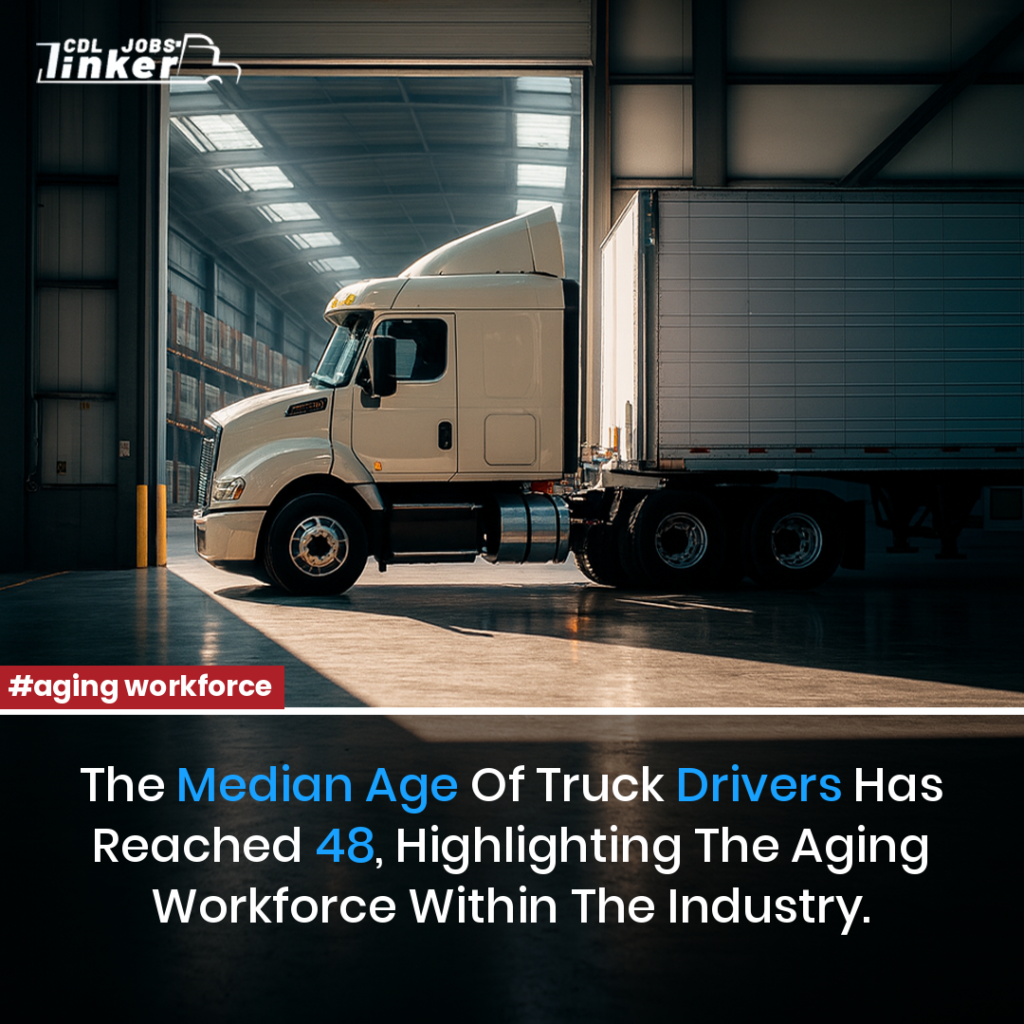 What the Shortage Looks Like Now
The U.S. trucking industry is experiencing a significant shortage of qualified drivers. As of 2024, more than 80,000 truck driver positions remain unfilled (ATA Report). If current trends continue, the shortfall could more than double, reaching over 160,000 vacant positions by 2030 (ATA).
Several structural issues are contributing to the driver shortage:
- Aging workforce: The median age of truck drivers is 48, and a growing number are retiring each year. This demographic trend is expanding the gap between retirements and new entrants into the workforce (BLS).
- High turnover: Large trucking carriers are seeing annualized turnover rates exceeding 90% as of 2023, making it difficult to maintain a stable driving workforce (ATA Turnover Data).
- Training pipeline issues: Enrollment in Commercial Driver’s License (CDL) programs has declined, especially following COVID-19 disruptions, limiting the number of new drivers entering the industry.
- Underrepresentation: Women and younger workers remain significantly underrepresented in the trucking profession, which restricts potential labor pool growth.
Segment-Specific Impact
The driver shortage is not felt equally across all areas of the trucking sector. Long-haul over-the-road (OTR) routes are most affected, largely due to demanding schedules that require drivers to spend extended periods away from home. Regional and last-mile delivery sectors are also beginning to feel the impact, though at a slower pace. These segments may experience growing pressures as the labor market continues to tighten.
Wages and Incentives: How Shortages Translate to Pay
Historical Pay Trends
Pay for heavy-duty truck drivers has seen a noticeable uptick in recent years as the industry grapples with ongoing labor shortages. In 2023, the average annual salary reached $53,000, a marked increase from the $48,700 recorded in 2021 (Bureau of Labor Statistics). In areas with acute driver shortages, especially for over-the-road (OTR) positions, compensation climbed even higher. In some cases, drivers earned in excess of $90,000 annually, including bonuses, as fleets competed to attract limited talent (FreightWaves).
 – 2025 Pay Forecast
If the current shortage persists, base salaries for truck drivers are expected to continue rising by an estimated 8–10% through 2025. On top of wage increases, many fleets are enhancing compensation packages with annual bonuses ranging from $5,000 to $15,000 to retain and attract qualified drivers (Industry Hiring Surveys).
– Evolving Compensation Structures
As the labor market for drivers tightens, compensation strategies are evolving. Many carriers have introduced guaranteed mileage minimums and expanded the use of per diem pay to improve take-home income. Additionally, fleets are now widely offering sign-on bonuses, referral bonuses, and other financial perks. Programs that cover training expenses and offer tuition reimbursement are also on the rise, helping new entrants offset the cost of joining the profession.
– Owner-Operator vs. Company Driver Pay Dynamics
While company-employed drivers often benefit from consistent pay and incentives, owner-operators face a different set of financial dynamics. Rising fuel prices, insurance premiums, and maintenance costs have significantly impacted profitability. In addition, fluctuations in the spot market create income volatility, making it harder for independent operators to forecast earnings reliably (DAT Trendlines).
Regional Disparities in Impact
High-Demand States
California, Texas, and Florida are experiencing some of the most acute truck driver shortages in the nation. These states are home to major logistics hubs that handle enormous volumes of freight, including consumer goods and agricultural products. The high demand for transportation services, combined with a limited pool of qualified drivers, is disrupting supply chain reliability and increasing delivery delays.
In the Midwest, although wages for truck drivers are highly competitive, states face challenges retaining younger drivers. Aging demographics and reluctance from younger workers to enter the field are contributing to persistent labor gaps in this region.
Urban vs. Rural Divide
Freight volumes are typically concentrated in metro areas, where established infrastructure and dense customer bases result in more consistent driving routes and higher pay. These conditions make urban driving positions more attractive, further pulling drivers away from rural postings.
In contrast, rural carriers face significant hiring challenges. Due to smaller populations and fewer amenities, these areas struggle to attract and retain drivers. As a result, rural employers are increasingly forced to offer wage hikes and bonus incentives to compete with urban opportunities and mitigate driver shortages.
Port and Border City Impacts
Cities that function as import/export gateways—such as Los Angeles, Houston, and Detroit—are feeling the effects of driver shortages most acutely. The time-sensitive nature of international shipping through ports and border crossings means that any labor gap can quickly cause backlogs and inefficiencies. Delays in these regions often have ripple effects throughout national and international supply chains.
Industry-Wide Reactions and Structural Changes
Carrier Tactics to Attract and Retain Drivers
In response to a persistent driver shortage, many freight carriers are introducing strategies aimed at making driving careers more appealing and sustainable. Enhanced home time schedules are becoming more common, minimizing prolonged periods away from family and offering more predictable work-life balance. Additionally, guaranteed weekly route pay pilots are being tested to provide drivers with consistent income, regardless of trip variability.
To support the growing demand for qualified drivers, carriers are also doubling their in-house Commercial Driver’s License (CDL) training cohorts in 2024. This move aims to onboard new drivers more quickly and ensure they meet the company’s training and safety standards.
Legislative and Regulatory Factors
Policy changes are also reshaping the industry. The implementation of the DRIVE-Safe Act now permits 18–20 year-olds to engage in interstate commercial driving, provided they complete a formalized training program (FMCSA). This is expected to expand the hiring pool and generate early-career opportunities in trucking.
At the state level, several grant programs are being introduced to increase the capacity of CDL training facilities. These initiatives aim to lower barriers to entry for aspiring drivers by offsetting tuition costs and expanding the availability of instructors and classroom resources.
Role of Technology
Technology continues to play a critical role in reshaping the trucking industry. Use of logistics AI for route optimization is helping carriers reduce driver fatigue by minimizing inefficient travel and maximizing time spent on the road. Driver-facing safety technologies, such as in-cab monitoring systems, are also being adopted to improve working conditions and overall safety.
Meanwhile, autonomous vehicle pilots are gradually being implemented across select routes. While currently limited in scope, these pilot programs signal potential long-term impacts on labor demand and the future structure of driving jobs in the industry.
Long-Term Implications for Driver Careers

The truck driving profession is undergoing a transformation as technology becomes more integrated into daily operations. Modern fleets are adopting telematics, route optimization software, and real-time tracking tools, making truck driving increasingly data-driven. This shift is changing how the role is perceived—not only by the public but also by drivers themselves, who are now expected to engage with technology and analytics as part of their jobs.
Additionally, carriers and job platforms now offer greater transparency around job quality metrics, such as weekly hours, benefits, and home time. These insights allow drivers to make more informed decisions about which roles align with their lifestyle and expectations. As a result, truck driving is shedding some of its long-held stereotypes and gaining recognition as a skilled, tech-forward occupation.
Professionalization and Upskilling
In response to evolving industry demands, carriers are placing more emphasis on professional development. Many now offer structured mentor-training programs where experienced drivers help newer recruits navigate the complexities of the job. Leadership tracks have also emerged, enabling drivers to take on roles with increased responsibility, such as fleet managers or safety officers.
Specializations are another area of growth. Drivers who gain certifications in specialized areas—like hazardous materials (hazmat), refrigerated freight, or oversized hauling—are often rewarded with premium pay. These niches require additional skills and training, further pushing the industry toward professionalization and long-term career viability.
Quality of Life and Mental Health
The historically high levels of isolation and fatigue in long-haul trucking have prompted renewed attention to driver well-being. Companies are implementing support programs aimed at tackling these challenges, including mentorship pairing, scheduled rest periods, and improved cabin ergonomics.
One major improvement is the rise of mobile telehealth services tailored to truckers. These platforms offer mental health counseling and wellness check-ins via smartphone or tablet, allowing drivers to access licensed professionals from the road. These developments signal a positive shift in how the industry supports driver mental health and overall quality of life.
What It Means for Existing and Aspiring Drivers
Current Driver Takeaways
Drivers already in the industry are seeing new leverage in compensation and working conditions. With increased demand and driver shortages, many carriers are offering higher pay and expanded benefits. This puts experienced drivers in a strong position to negotiate for improved routes, sign-on incentives, or bonuses.
Shifting between regional and over-the-road (OTR) work also becomes more strategic. OTR roles typically offer higher pay but involve extended time away from home, while regional positions provide better work-life balance. Depending on personal and financial goals, drivers may now move between these options more fluidly.
Opportunities for New Entrants
Entering the trucking industry has become more attractive, especially for individuals seeking alternatives to traditional college pathways. Starting pay has increased across many fleets, and benefits packages are more competitive than in prior years.
Training opportunities have also expanded. Fast-track CDL programs and apprenticeships allow new drivers to begin earning quickly while gaining experience. These programs often include mentorship and guaranteed job placement upon completion, making the transition smoother for newcomers.
Questions Drivers Should Ask in 2025
- What freight sectors are most stable and highest-paying? Understanding where freight demand is strongest can help drivers focus on lanes or carriers that offer long-term consistency and better rates.
- Does the carrier offer guarantees around equipment condition and repair response? Well-maintained trucks reduce downtime and safety risks, making this a key factor when choosing an employer.
- How does autonomy/automation threaten or complement my driving job long-term? While full automation remains years away, semi-autonomous technology is entering fleets. Drivers should consider how companies are implementing this tech and whether it enhances or reduces their role.
Conclusion
The 2025 driver shortage shows no signs of easing, suggesting continued strain on the labor market. As companies compete for talent, wages are expected to rise. However, this increase in pay comes with growing expectations—drivers will face stricter requirements around regulatory compliance, safety standards, and overall professionalism.
The broader implication is a shift in power within the freight economy. With fewer qualified drivers available, those who meet rising standards will hold stronger negotiating positions. This evolving dynamic signals a market where skilled drivers not only earn more but also play a more central role in how freight networks operate and adapt.
Appendix
Key Statistics Summary
- Over 80,000 driver shortage projected in 2024
- Wages for drivers across large carriers increased by 9% from 2022 to 2023
- Turnover rates remain high, with over 90% turnover among large carriers
- The median age of professional truck drivers is 48
- Signing bonuses and other incentive offerings are up 22% year-over-year
Cited Sources
- American Trucking Associations (ATA)
- Bureau of Labor Statistics (BLS)
- FreightWaves Driver Pay Reports
- FMCSA DRIVE-Safe Act Overview
- DAT Freight & Analytics
FAQ
What are the highest paying trucking jobs in 2025?
Long-haul OTR positions are expected to offer the highest pay, with some drivers earning over $90,000 including bonuses.
How is technology changing trucking?
Technology is improving route optimization, enhancing safety through driver-facing systems, and gradually introducing autonomous vehicles.
-
Trucking Industry Trends & High-Paying Jobs in...
As the U.S. trucking industry enters 2025, it faces a landscape marked…
Continue Reading -
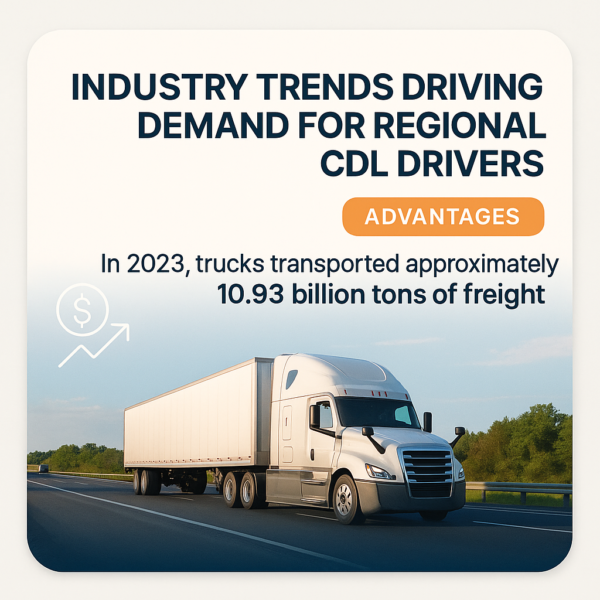
Why Regional CDL Jobs Are a Great...
Continue ReadingThe trucking industry plays a crucial role in maintaining economic stability and facilitating trade, serving as the backbone for transporting goods across the nation. As consumer demands continue to rise, efficient logistics and transportation have become increasingly vital for businesses and communities alike.

Regional CDL (Commercial Driver’s License) jobs refer to trucking positions that focus on transporting goods within a defined geographic region, typically within a specific radius or set of neighboring states. Unlike long-haul trucking roles, regional CDL drivers usually experience shorter routes, predictable schedules, and increased opportunities to return home regularly.
This article focuses on the advantages that regional CDL jobs offer to drivers, particularly highlighting how these benefits are expected to become even more appealing and relevant in 2025.
Industry Trends Driving Demand for Regional CDL Drivers
Growth in Freight Transportation
In 2023, trucks transported approximately 10.93 billion tons of freight, highlighting the significant role regional CDL drivers play within the logistics and supply chain network (nstcdl.com). The continual growth of e-commerce and the expansion of supply chains have further increased the trucking industry’s reliance on regional drivers, emphasizing their importance in maintaining efficient distribution networks.
Projections of Employment Growth
The U.S. Bureau of Labor Statistics forecasts a 9% growth in employment for delivery truck drivers and driver/sales workers from 2023 to 2033, reflecting strong job prospects for individuals pursuing regional CDL positions (bls.gov). Additionally, industry experts expect more than 89,300 new truck driving jobs to be added by 2032, further underscoring the increasing demand and stability of employment opportunities within this sector. Explore the latest regional trucking jobs offering great pay, predictable routes, and more home time in your area.
Addressing Workforce Challenges
Bridging the Talent Gap
The trucking industry faces significant workforce challenges, notably driven by an aging population of commercial drivers. As experienced CDL holders approach retirement, the resulting talent gap poses a serious concern for maintaining operational efficiency and meeting demand. Regional CDL jobs, specifically, are impacted as these positions rely heavily on consistent and dependable staffing.
In response, industry stakeholders are launching targeted initiatives aimed at attracting younger talent into regional CDL roles. Efforts include the promotion of improved work-life balance, competitive compensation packages, and clearer career advancement pathways, all designed to appeal to the younger workforce.
Efforts Toward Increased Training and Recruitment
To effectively address workforce shortages, companies have increasingly implemented sponsored training programs and financial incentives. These initiatives often lower entry barriers for potential drivers by providing tuition reimbursement, paid apprenticeships, or fully sponsored CDL training programs.
Additionally, collaborative partnerships between trucking companies and educational institutions are becoming more widespread. Vocational schools, colleges, and industry leaders are working together to develop curricula that align closely with real-world industry needs. Such collaboration ensures a steady pipeline of qualified, skilled drivers, well-prepared for regional CDL roles and equipped to meet industry demands.
Benefits of Pursuing Regional CDL Jobs
Competitive Compensation and Financial Stability
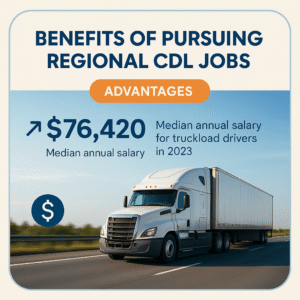 Regional CDL jobs offer competitive salaries, providing financial stability for drivers. In 2023, the median annual salary for truckload drivers reached $76,420, reflecting a notable 10% increase in just two years (trucking.org). Beyond base pay, many regional positions offer additional financial incentives such as signing bonuses, safety bonuses, and overtime pay, further enhancing overall earning potential.
Improved Work-Life Balance
Regional CDL positions significantly improve drivers’ work-life balance compared to traditional long-haul trucking jobs. Companies increasingly offer flexible schedules with predictable routes, ensuring drivers enjoy guaranteed home time (jobpeak.io). The shorter, regional trips allow drivers to return home regularly, reducing the strain of extended periods away from family and personal responsibilities.
Job Independence and Autonomy
Drivers in regional CDL roles benefit from substantial independence and autonomy. With minimal direct supervision, drivers have the freedom to manage their own schedules and responsibilities on the job. This autonomy fosters higher job satisfaction by empowering drivers to make day-to-day decisions independently.
Career Growth and Advancement Opportunities
Regional CDL jobs offer clear career development paths within the trucking industry. Drivers have numerous opportunities for upward mobility, including transitioning to supervisory roles, training new drivers, or even becoming owner-operators. Such advancement opportunities ensure long-term professional growth and stability.
Job Stability and Security
Regional trucking positions provide consistent job security due to the sustained and stable demand for CDL-qualified drivers. These jobs demonstrate resilience to economic fluctuations and market volatility, ensuring steady employment even during uncertain economic periods.
Technological Advancements Transforming the Industry
Innovations Improving Efficiency and Safety
Recent technological advancements have significantly transformed regional CDL jobs, enhancing both efficiency and safety. Integration of GPS tracking allows companies to monitor truck locations in real-time, improving fleet management and enabling timely adjustments to routes. Additionally, AI-driven route optimization algorithms are now widely used, helping drivers avoid delays, reduce fuel consumption, and enhance overall productivity. Electronic logging devices (ELDs) have become standard, ensuring accurate tracking of driving hours and compliance with regulatory requirements.

Safety technologies have also seen noteworthy advancements. Advanced driver-assistance systems (ADAS) such as lane departure warnings, adaptive cruise control, and automated braking systems have become commonplace. These innovations greatly reduce the risk of accidents, protect drivers and cargo, and ultimately lower operational costs for companies.
Training and Adaptation to New Technologies
As the industry continues to evolve, ongoing training for drivers is increasingly essential. Staying current with technological developments ensures drivers can effectively utilize new tools, maintaining high productivity and safety standards. Recognizing this, many transportation companies now actively invest in comprehensive training programs, equipping drivers with the necessary skills to proficiently manage and operate emerging technologies. This commitment to training not only enhances individual driver performance, but also positions companies competitively within the rapidly evolving transportation landscape.
Environmental and Sustainability Considerations
Emergence of Eco-Friendly Trucking Practices
Regional CDL jobs in 2025 increasingly incorporate environmentally friendly trucking solutions. There is a noticeable shift toward hybrid and electric trucks, especially within regional routes, where shorter distances make the use of alternative fuel and electric vehicles more feasible. This change not only reduces emissions significantly but also promotes cleaner air quality in local communities. Additionally, companies operating regional routes are actively implementing sustainable practices, such as optimized route planning and eco-friendly vehicle maintenance procedures, contributing positively to broader industry-wide environmental objectives.
Regulatory Support for Sustainability
 Government bodies are actively supporting sustainability in transportation through targeted incentives and regulatory policies. These measures encourage trucking companies to adopt environmentally friendly technologies and sustainable practices. Drivers working in regional CDL jobs will increasingly benefit from this regulatory environment as companies leverage government incentives to invest in cleaner, more efficient fleets. Consequently, the long-term advantages of regional trucking roles align closely with the industry’s broader commitment to sustainability and environmental responsibility, making these roles highly attractive for both companies and drivers concerned with ecological impact.
Preparing for Success as a Regional CDL Driver
Necessary Qualifications and Skills
To become a regional CDL driver, obtaining a Commercial Driver’s License (CDL) is the fundamental requirement. CDL licensing typically involves completing an accredited truck driving training program, passing a written exam, and successfully completing a skills test that includes vehicle inspection, basic vehicle control, and an on-road examination. Depending on the cargo types, additional endorsements such as hazardous materials (HazMat), tanker, or doubles/triples may be required.
 In addition to meeting formal licensing requirements, regional CDL drivers need essential soft skills. Reliability is critical, as employers depend on drivers to deliver goods safely and punctually. Strong communication skills are equally important, enabling drivers to effectively interact with clients, dispatchers, and team members. Adaptability is also a must-have trait, as regional drivers frequently encounter changing schedules, route adjustments, and varying road conditions.
Available Resources and Support Systems
Aspiring regional CDL drivers have numerous resources available to support their career journey. Accredited trucking schools provide foundational training and education necessary to secure a CDL. Many carriers and industry organizations offer mentorship programs, connecting new drivers with seasoned professionals who can share valuable insights and guidance.
Online communities and forums further enrich learning opportunities, allowing drivers to exchange information, ask questions, and discuss industry developments. Continuous learning is key to long-term success in this field. Drivers should stay informed about evolving industry trends, regulations, and technologies through ongoing education and reliable information sources. By leveraging these resources, regional CDL drivers can position themselves for lasting success in their careers.
Conclusion
Regional CDL jobs stand out as an advantageous career choice in 2025 for several compelling reasons. These positions offer drivers the balance of steady, reliable schedules combined with substantial home time, allowing them to maintain a healthy work-life balance. Additionally, regional routes often provide competitive pay and comprehensive benefits, making them financially attractive. The industry itself continues to show strong growth and increasing demand for qualified drivers, ensuring job security and ample opportunities for advancement.
For individuals seeking a dynamic and rewarding field, exploring regional CDL opportunities can lead to a stable and fulfilling career path. As the transportation industry evolves, these roles are expected to become even more integral, making 2025 an ideal time to consider a career in regional truck driving.
