
Explore essential CDL endorsements and their impact on trucking careers. Learn how to enhance job opportunities and drive your success.
Introduction
- CDL Basics
- Overview of CDL Endorsements
- Detailed Breakdown of Major CDL Endorsements
- How to Obtain a CDL Endorsement
- Costs of Obtaining and Maintaining Endorsements
- What Employers Are Looking For in 2024–2025
- Future Outlook
- Conclusion
A Commercial Driver’s License (CDL) is a mandatory credential for operating large, heavy, or hazardous material vehicles across the United States. The CDL is organized into several classes based on the type of vehicle and cargo:
- Class A: For operating combination vehicles, such as tractor-trailers.
- Class B: For single vehicles heavier than 26,001 pounds, including buses and delivery trucks.
- Class C: For transporting hazardous materials or more than 16 passengers in smaller vehicles.
In addition to these classes, endorsements are certifications added to a CDL to allow drivers to operate certain types of vehicles or transport specific cargo, such as hazardous materials (H), tank vehicles (N), or passenger transport (P). These endorsements are critical in expanding a driver’s capabilities and meeting employer requirements.
As of 2024, the trucking industry has seen updates in safety protocols, training standards, and digital record-keeping requirements. Regulatory changes focus on improving driver safety and adapting to new transportation technologies. These changes have made it increasingly important for drivers to maintain updated credentials and knowledge.
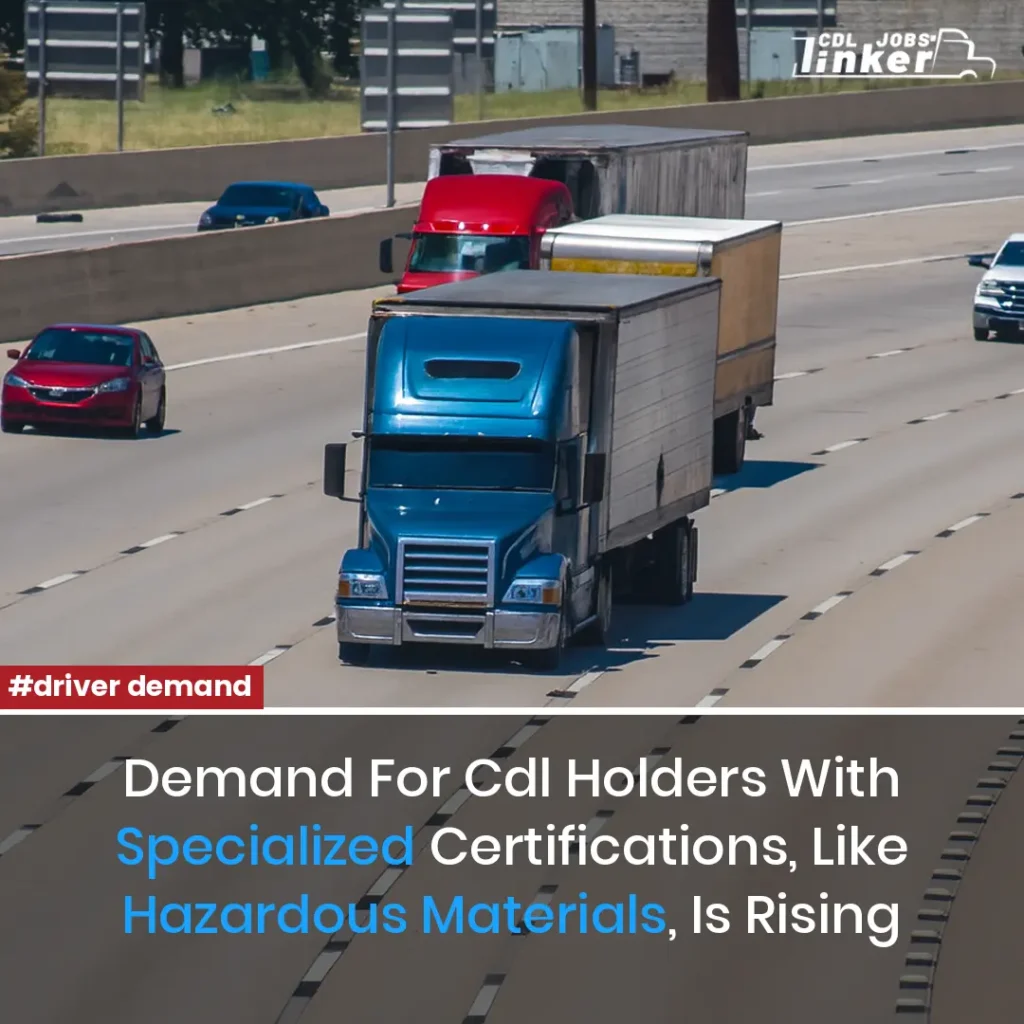
The industry is also facing a significant driver shortage, particularly in areas requiring specialized endorsements. According to the ATA Report, 2024, the demand for qualified CDL holders—especially those with certifications for hazardous materials or long-haul capabilities—continues to rise. This shortage presents ongoing challenges in freight capacity and delivery timelines, making accurate licensing and endorsements more vital than ever.
CDL Basics
What is a CDL?
A Commercial Driver’s License (CDL) is a special license required to operate large, heavy, or hazardous-materials vehicles in the United States. Issued by state governments, a CDL ensures that drivers are properly trained and qualified to handle more complex driving responsibilities than standard passenger vehicles.
There are three classes of CDLs, each authorizing different types of commercial vehicles:
- Class A: Allows the holder to operate any combination of vehicles with a Gross Combination Weight Rating (GCWR) of 26,001 pounds or more, provided the towed vehicle is more than 10,000 pounds. This includes tractor-trailers and flatbeds.
- Class B: Covers single vehicles with a Gross Vehicle Weight Rating (GVWR) of 26,001 pounds or more or any such vehicle towing another weighing less than 10,000 pounds. Examples include box trucks, large buses, and dump trucks.
- Class C: Applies to vehicles designed to transport 16 or more passengers (including the driver) or carry hazardous materials, regardless of weight.
While the federal government, through the Federal Motor Carrier Safety Administration (FMCSA), sets minimum standards for CDLs, each state administers its own tests, training requirements, and application procedures. States must comply with federal standards, but they may impose additional regulations, making it important for applicants to review their specific state guidelines.
Who Needs a CDL Endorsement?
In addition to obtaining the appropriate CDL class, certain commercial vehicle operations require specific endorsements. These endorsements represent additional certifications that permit drivers to operate specialized vehicles or transport particular types of cargo.
Common CDL endorsements include:
- H endorsement: Required to transport hazardous materials (HazMat).
- N endorsement: Necessary for driving tank vehicles.
- P endorsement: Needed to operate passenger vehicles.
- S endorsement: Applied for school bus drivers.
- T endorsement: Permits double or triple trailer operation.
Drivers must pass additional knowledge tests—and in some cases, skills tests—to earn these endorsements. For example, HazMat endorsements require a background check by the Transportation Security Administration (TSA).
Enforcement of these requirements is handled at both state and federal levels, with penalties for non-compliance ranging from fines to disqualification of driving privileges. Employers and drivers are both held accountable for ensuring endorsements are current and applicable to the vehicles operated.
Overview of CDL Endorsements
Commercial Driver’s License (CDL) endorsements are special authorizations that allow drivers to operate certain types of commercial vehicles or carry specific cargo. Endorsements are added to a driver’s CDL after passing knowledge and/or skills tests related to the endorsement subject. Below is a list of common endorsements and a summary of how endorsements differ from restrictions.
List of Common Endorsements
- H – Hazardous Materials (HAZMAT)
- Required to transport hazardous materials. Drivers must pass a written test and complete a background check by the Transportation Security Administration (TSA).
- N – Tank Vehicles
- Allows the driver to operate a vehicle designed to transport liquid or gaseous materials in a permanently mounted tank or portable tanks with a capacity of 1,000 gallons or more.
- X – Tank plus Hazardous Materials (Combination of H and N)
- Covers both hazardous materials and tank vehicle endorsements. Drivers must meet all requirements for both H and N endorsements.
- T – Double/Triple Trailers
- Authorizes operation of double or triple trailers. A written knowledge test is required.
- P – Passenger Transport
- Required to operate a vehicle designed to carry 16 or more passengers, including the driver. Both knowledge and skills tests are needed.
- S – School Bus
- Needed to operate a school bus. It requires a background check, knowledge and road test, and possession of a P (Passenger) endorsement.
- M – Motorcycle (in some jurisdictions with commercial classification)
- Permits operation of motorcycles under commercial classification where applicable.
Endorsement vs. Restriction
Endorsements grant additional driving privileges based on experience and testing. In contrast, restrictions limit the driver’s ability to operate certain types of vehicles or equipment.
Key Differences
- Endorsements are optional and expand a driver’s qualifications.
- Restrictions are placed on a CDL when a driver is not qualified to operate a specific type of vehicle or equipment.
Common Restrictions
- L – Air Brakes Restriction: Indicates the driver is not qualified to operate vehicles with air brakes, typically due to not passing the air brake knowledge test or skills test in a vehicle with air brakes.
- E – Automatic Transmission Restriction: Applied when the skills test is taken in a vehicle with an automatic transmission, prohibiting the driver from operating manual transmission commercial vehicles.
- Z – No Full Air Brake System: Restricts the driver from operating vehicles with a full air brake system, often resulting from testing in a vehicle without one.
Detailed Breakdown of Major CDL Endorsements
1. H – Hazardous Materials (HAZMAT)
What It Covers
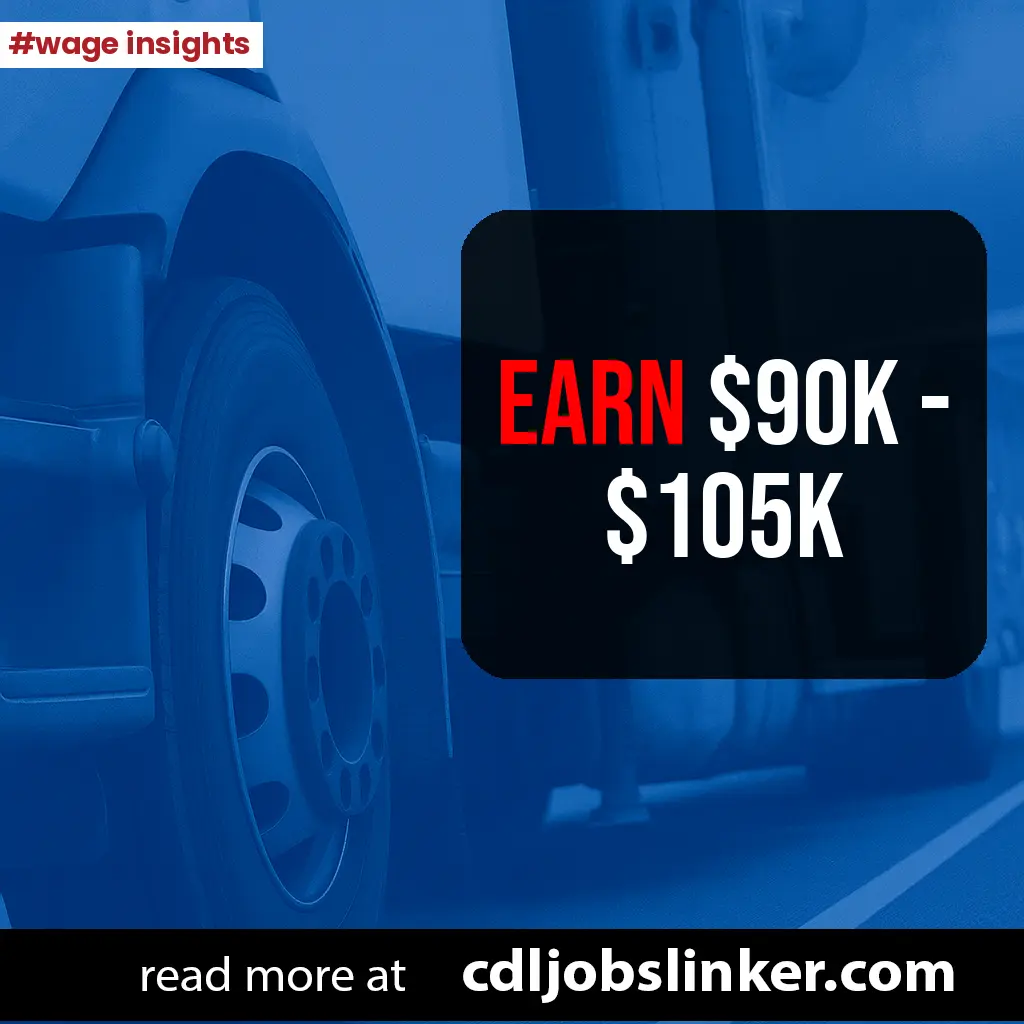
The H endorsement allows drivers to transport hazardous materials that are flammable, explosive, or toxic. These include items like fuel, chemicals, gases, and radioactive substances.
Requirements
To obtain this endorsement, applicants must pass a written knowledge test and undergo a Transportation Security Administration (TSA) background check.
Market Demand & Stats
Over 18% of U.S. freight tonnage includes hazardous materials, suggesting strong demand for qualified HAZMAT drivers (PHMSA, 2023). On average, drivers with this endorsement earn 8–12% more annually than their non-endorsed peers (BLS, 2024).
2. N – Tank Vehicles
What It Covers
The N endorsement is required for operating vehicles designed to carry liquid or gaseous materials in permanent or portable tanks with an individual rated capacity of over 1,000 gallons.
Testing & Qualifications
Drivers must pass a specialized knowledge test focusing on the safe operation and handling of tank vehicles.
Industry Insight
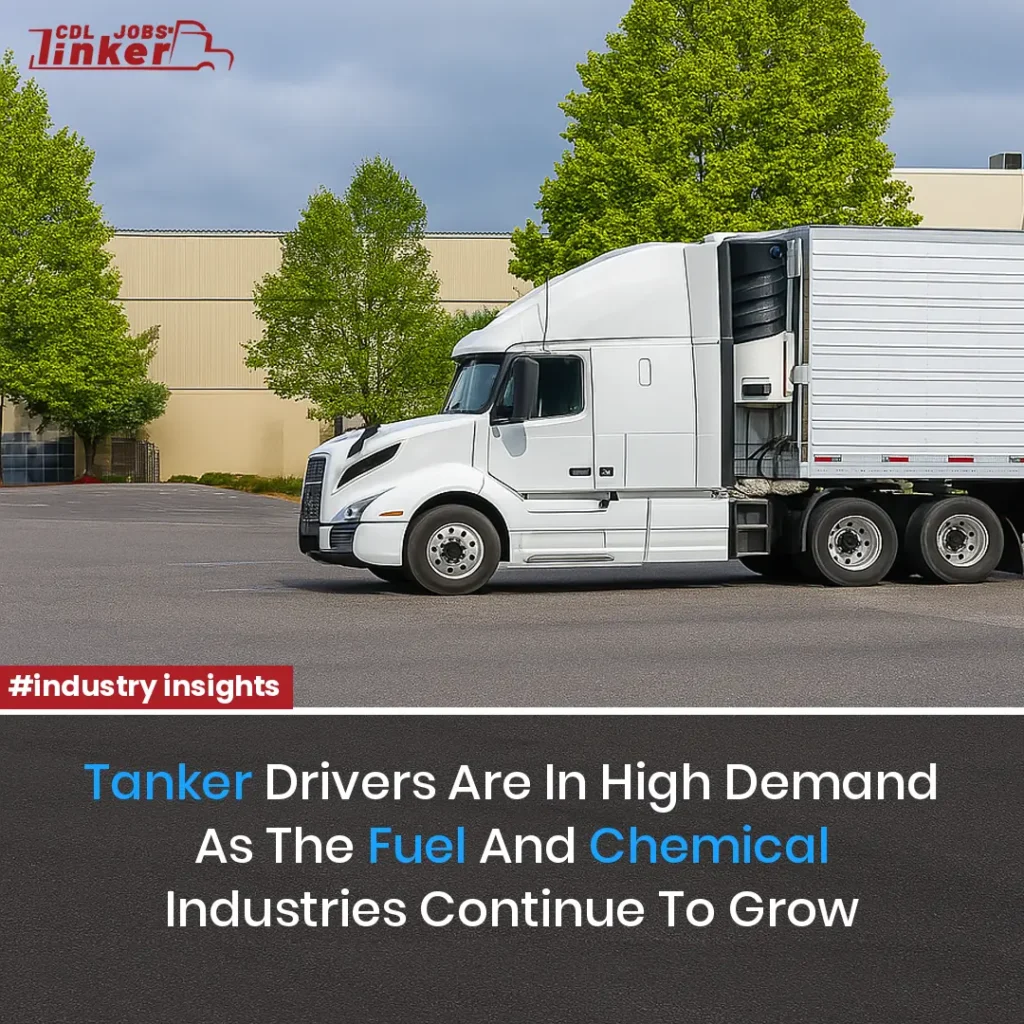
Tanker drivers are increasingly sought after, particularly within the fuel and chemical industries, where distribution networks continue to expand (NTTC Analysis, 2024).
3. X – Combination of Tank Vehicle and HAZMAT
Why It’s Critical
The X endorsement combines both H and N endorsements, enabling drivers to haul bulk liquids that are also hazardous. This is especially important in the energy and chemical distribution sectors.
Risk & Compensation
Because of the increased liability and safety responsibilities, drivers with the X endorsement are among the highest-paid in the CDL field. Many earn between $90,000 and $105,000 annually as of 2024 (Indeed Wage Data, 2024).
4. T – Double/Triple Trailers
Description
This endorsement authorizes drivers to operate combination vehicles with two or three trailers.
Requirements
To qualify, applicants must pass a written knowledge test. No additional skills test is required.
Regulation Alerts
The use of triple trailers is restricted or banned in several states. Drivers must check with specific state Departments of Transportation to ensure compliance (FMCSA Guidelines, 2024).
5. P – Passenger Transport
Vehicle Types
The P endorsement covers vehicles designed to transport passengers, including buses, shuttle vans, and tour vehicles.
Testing Process
Applicants are required to complete both a written knowledge test and a behind-the-wheel driving exam. Some states also mandate a background check.
Career Tracks
Job opportunities span transit agencies, charter companies, and intercity transportation. Passenger carrier demand rose 7.9% between 2022 and 2023 (APTA, 2024).
6. S – School Bus
Characteristics
The S endorsement is a specialized subset of the Passenger endorsement, tailored for drivers of school buses.
Unique Requirements
Applicants must complete fingerprinting and criminal background checks, as well as pass rigorous written and road tests focused on student safety and school bus procedures.
Demand
There is a significant shortage of certified school bus drivers across the U.S., with a projected shortfall of 23,000 drivers in 2024 (NSTA, 2024).
How to Obtain a CDL Endorsement
Obtaining a Commercial Driver’s License (CDL) endorsement allows drivers to operate specialized types of commercial vehicles or carry specific cargo. Here is a step-by-step guide to the process:
Step-by-Step Process
- Hold a valid CDL (Class A, B, or C)
Before applying for any endorsement, you must already possess a valid CDL in the appropriate class for the type of vehicle you intend to drive.
- Study your state’s CDL manual and endorsement-specific materials
Each state provides a CDL manual outlining the requirements for various endorsements like HAZMAT, passenger transport (P), or school bus (S). Make sure to review the sections relevant to the endorsement you’re seeking.
- Schedule and pass knowledge or skills exams
Most endorsements require a written (knowledge) test. Some, like the school bus or passenger endorsements, also require a road (skills) test. Schedule your exams at a certified testing center.
- Pass background checks (where required)
Certain endorsements, like the HAZMAT (H) endorsement, require a Transportation Security Administration (TSA) background check. The screening includes fingerprinting and a security threat assessment.
- Fees and re-certification processes
State motor vehicle departments may charge test and application fees. Some endorsements must be re-certified periodically, especially HAZMAT, which includes ongoing TSA screenings.
Testing Tips
- Take official training programs
Enrolling in an FMCSA-approved training program can increase your chances of passing the necessary exams, especially for skill-based endorsements.
- Use online practice exams
Practice tests specific to each endorsement help familiarize you with question formats and common topics.
- Be aware of test center protocols
Arrive with appropriate identification, your current CDL, and any additional documents required for your endorsement exam.
Renewal & Medical Certification
- Endorsements typically renew with your CDL
Most endorsements are extended when you renew your standard CDL, though some may have separate requirements.
- HAZMAT requires periodic TSA screening
Drivers with a HAZMAT endorsement must complete a TSA background check every five years, or as required by state guidelines.
- Maintain medical certification
Under the Federal Motor Carrier Safety Administration (FMCSA) rules, CDL holders—including those with endorsements—must comply with medical certification requirements, including maintaining an up-to-date medical examiner’s certificate (FMCSA, 2023).
Costs of Obtaining and Maintaining Endorsements
Obtaining and keeping endorsements on a commercial driver’s license (CDL) involves several expenses. Initial testing fees vary by state but are typically in the range of $10 to $90 per endorsement. These fees usually cover the cost of written exams required to qualify for specific endorsements like tanker, passenger, or HAZMAT.
For drivers pursuing a HAZMAT endorsement, additional costs include a Transportation Security Administration (TSA) background check. This screening costs $86.50 and must be renewed every five years.
Maintaining endorsements also often requires ongoing training, particularly for endorsements such as HAZMAT and tanker. These types of endorsements are subject to stricter regulatory oversight and safety standards, which necessitate periodic refresher courses or certification renewals.
In some cases, employers may offer or sponsor the required training as part of workforce development programs. This can help reduce out-of-pocket expenses for drivers and ensure that staff remain compliant with federal and state regulations.
What Employers Are Looking For in 2024–2025
Trending Endorsements
As the transportation industry adapts to changing economic demands, employers are prioritizing specific endorsements that reflect current logistical needs. In 2024–2025, the X endorsement has emerged as one of the most in-demand qualifications. This designation enables drivers to operate multiple types of commercial vehicles, making them a flexible asset for fleet operations.
Additionally, school bus and passenger endorsements are seeing renewed growth. A key driver of this demand is local transit stimulus funding, which has revitalized hiring across municipal and educational transportation sectors (DOT Grant Summary, 2024).
Competitive Edge Through Multi-Endorsements
Drivers holding multiple endorsements are increasingly preferred by employers. Combinations such as Hazmat (H), Tanker (N), and Double/Triple Trailers (T) allow for broader route coverage and operational versatility. The ability to assign a single driver across multiple load types reduces overhead and scheduling complexity for carriers.
To retain these multi-skilled professionals, many companies are offering targeted incentives, such as signing bonuses and tiered pay structures, making multi-endorsements a strategic asset for career growth and job security.
Future Outlook
Looking ahead, the commercial driving industry is set to undergo significant regulatory and technological changes. In 2025, the Federal Motor Carrier Safety Administration (FMCSA) is scheduled to modernize the testing process for specialized endorsements such as hazardous materials and passenger transport. This initiative, listed in the DOT Rulemaking Agenda, 2024, aims to streamline examinations, reduce administrative backlog, and align testing protocols with current industry standards.
Additionally, background checks and license renewal procedures are expected to move further into digital platforms, improving efficiency and accessibility. These digitization efforts are intended to reduce paperwork for drivers and state agencies, and to establish faster turnaround times for processing approvals.
In terms of training, new mandates are being proposed for safety curriculum related to hazardous freight operations. These updates will likely require carriers and training providers to adopt standardized instruction materials and expand practical components to better prepare drivers for real-world scenarios. These steps aim to raise the safety baseline across the industry and address evolving risks in freight logistics.
Conclusion
Obtaining CDL endorsements provides several advantages for commercial drivers. Endorsements like Hazmat (H), Tanker (N), and Doubles/Triples (T) expand the range of vehicles a driver is qualified to operate, potentially leading to increased job opportunities and higher pay. Drivers with specialized endorsements are often more competitive in the job market, especially in sectors with consistent freight demand.
When deciding which endorsements to pursue, drivers should consider their long-term career goals and the specific needs of the trucking industry. Endorsements aligned with high-demand freight sectors can lead to more stable employment and career advancement.
Finally, it’s crucial for drivers to stay informed about changing state and federal transportation regulations. Regulatory updates can affect eligibility requirements and safety standards, making ongoing education a necessary part of maintaining and benefiting from CDL endorsements.
FAQ
What are the highest paying trucking jobs in 2025?
The highest paying trucking jobs in 2025 typically involve specialized endorsements such as Hazmat (H) and Tanker (N), with salaries reaching $90,000 and above.
How is technology changing trucking?
Technology in trucking is evolving with digital record-keeping, streamlined testing processes, and improved safety protocols, enhancing efficiency and driver management.