

This article delves into the role of owner operators in the trucking industry, covering essential responsibilities, benefits, challenges, and steps to achieve success.
- Introduction
- Understanding the Role of an Owner Operator
- Step-by-Step Guide to Becoming an Owner Operator
- Owner Operator Financial Planning and Management
- Finding Loads and Choosing the Right Business Model
- Regulatory Changes Affecting Owner Operators (2024–2025)
- Tips for Long-Term Success as an Owner Operator
- Conclusion
Introduction
An owner operator in the U.S. trucking industry is a self-employed commercial truck driver who owns or leases their own vehicle to haul freight. Unlike company drivers, who operate trucks owned by their employer and are typically on a fixed schedule with set routes, owner operators have greater control over their business—choosing their loads, setting their schedules, and negotiating their rates.
The key difference between company drivers and owner operators lies in autonomy and responsibility. Company drivers focus solely on driving, while owner operators also handle maintenance, business expenses, and regulatory compliance. This comes with both benefits and challenges.
Owner operators often earn higher income potential and enjoy greater flexibility and independence. However, they also face risks such as fluctuating fuel costs, maintenance expenses, and the burden of running a business.
In today’s market, the demand for freight transportation has surged due to growth in e-commerce and supply chain needs. This increased demand has made the owner operator model more appealing to experienced drivers seeking financial and professional independence through self-employment.
Understanding the Role of an Owner Operator
Responsibilities
Owner operators are independent truck drivers who own and operate their own commercial vehicles. One of their core responsibilities is owning and maintaining their trucking equipment. This includes not only purchasing a reliable truck and trailer but also keeping them in good condition through regular maintenance, repairs, and upgrades.
They are also responsible for managing their routes, clients, and schedules. Unlike company drivers, owner operators must seek out and negotiate contracts, coordinate pickups and deliveries, and plan efficient routes to maximize profitability and minimize downtime.
Additionally, they handle the business side of operations. This includes preparing invoices, managing billing, tracking expenses, and handling accounting tasks. Many owner operators use accounting software or hire professionals to keep their finances organized and ensure taxes are filed correctly.
Benefits
One major benefit of being an owner operator is the potential for higher income. Since they contract directly with clients or freight brokers, they can often command better rates. There are also several tax advantages available to independent contractors, such as deductions for vehicle expenses, insurance, and depreciation.
Flexibility is another advantage. Owner operators have the freedom to choose their schedules and the routes they want to run. This level of control allows them to balance work with personal life more effectively.
Finally, they have autonomy in business decisions. From which loads to take, to who they work with, to how they operate their business, owner operators make these choices independently.
Challenges
Despite the benefits, there are significant challenges. The startup costs of becoming an owner operator are high. Buying a heavy-duty truck, securing insurance, and setting up a business all require significant capital.
Operating costs such as fuel and maintenance are ongoing expenses that can vary with market conditions. Repairs and downtime can severely impact earnings if not managed properly.
Finally, owner operators must stay up to date with regulatory requirements, including Department of Transportation (DOT) regulations, drug testing, logbooks, and safety compliance. Navigating these responsibilities can be complex and time-consuming, particularly for new operators.
Step-by-Step Guide to Becoming an Owner Operator
1. Gain Experience as a CDL Driver
Before becoming an owner operator, it’s essential to build a solid foundation as a commercial driver. Most carriers and insurance providers require at least two years of safe driving experience. This period helps drivers develop operational knowledge, become familiar with various freight types, and learn the nuances of route planning, equipment handling, and federal regulations. Best practices during this stage include maintaining a clean driving record, staying compliant with Hours of Service rules, and gaining exposure to different freight lanes.
2. Create a Business Plan
A sound business plan is the roadmap to success as an owner operator. This should include detailed forecasts of startup and ongoing operational costs such as equipment, insurance, fuel, and maintenance. Identifying your target freight markets—such as reefer, dry van, or flatbed—will help tailor your strategies. According to a 2024 study by DAT Freight & Analytics, average startup costs range from $100,000 to $180,000 depending on the equipment type and geographic region (DAT Freight & Analytics). Allocating budgets for fuel, repairs, and downtime is crucial to staying profitable.
3. Choose a Business Structure
Decide whether to operate as a sole proprietorship, limited liability company (LLC), or corporation. Each comes with different tax implications, levels of personal liability, and registration requirements. An LLC, for example, offers legal protection without the double taxation corporations often face. After selecting a structure, register it with the IRS and obtain an Employer Identification Number (EIN), which is required for tax filing and business banking.
4. Secure a Commercial Driver’s License (CDL)
To legally operate a commercial vehicle, you must earn a CDL Class A license, which allows for driving vehicles with a gross combination weight rating (GCWR) of 26,001 pounds or more. Depending on your freight type, endorsements like Hazmat (H), Tanker (N), or Doubles/Triples (T) might be necessary. Additionally, passing a DOT medical exam and enrolling in a drug and alcohol testing program are required components of CDL eligibility.
5. Purchase or Lease a Truck
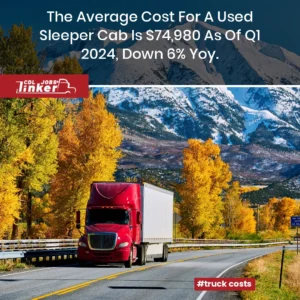
Choosing between buying and leasing depends on your financial situation and long-term business goals. Buying a truck provides full ownership and equity but comes with higher upfront costs. Leasing, whether through a carrier program or third party, can reduce initial investment but may include contractual restrictions. In Q1 2024, the average cost of a used sleeper cab was $74,980, representing a 6% decrease year-over-year (American Truck Dealers Association).
6. Get Required Authorities and Permits
To operate legally, you need a USDOT number and a Motor Carrier (MC) number, both issued by the Federal Motor Carrier Safety Administration (FMCSA). Additional requirements include Unified Carrier Registration (UCR), BOC-3 filing (designation of process agents), and apportioned plates through the International Fuel Tax Agreement (IFTA) and International Registration Plan (IRP). The FMCSA reported over 12,000 new motor carrier authorities issued in the first half of 2024 (Federal Motor Carrier Safety Administration).
7. Obtain Trucking Insurance
Adequate insurance is mandatory and protects your truck, cargo, and business. Core policies include primary liability (required by law), cargo insurance, and bobtail insurance when operating without a trailer. Monthly premiums vary but generally range from $800 to $1,800 depending on your driving history, region, and types of freight hauled (Sentry Insurance).
8. Set Up a Compliance & Safety Program
Staying compliant with federal and state regulations is vital. This involves maintaining electronic logging device (ELD) records, logging Hours of Service (HOS), tracking maintenance, and enrolling in a drug and alcohol testing consortium. Regular internal audits and proactive management of your Compliance, Safety, Accountability (CSA) score will help ensure that your operation remains in good standing with regulatory agencies.
Owner Operator Financial Planning and Management
Start-Up Costs Breakdown

Starting an owner-operator business requires a substantial initial investment. Major start-up costs include the purchase or lease of the truck, which can range from $50,000 to over $150,000 depending on the model, year, and condition. Leasing options may reduce the upfront expense but often involve long-term financial commitments.
You’ll also need to secure various permits, register your vehicle, and purchase insurance coverage required to operate legally. These administrative costs typically add up to several thousand dollars. Additionally, it’s advisable to set aside an emergency fund and maintain sufficient working capital to cover early operational expenses and unanticipated repairs.
Ongoing Expenses
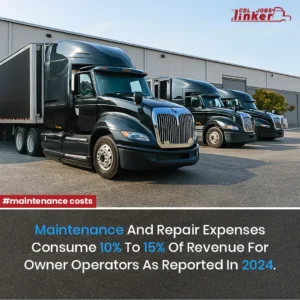
Fuel is the largest recurring expense for owner-operators, accounting for approximately 28% of total expenses in 2024. Costs can vary widely depending on fuel prices, load weight, and miles driven. Maintenance and repairs are the next major category, generally consuming 10% to 15% of revenue for a well-maintained vehicle—with older trucks often requiring more frequent service.
Insurance premiums, including liability, cargo, and physical damage coverage, are another significant ongoing cost. These premiums must be paid regularly and are subject to periodic renewal, often with adjustments based on claims history and market rates.
Average Revenue and Profit Potential
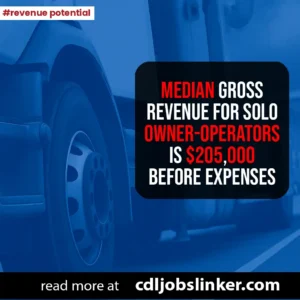
The median annual gross revenue for solo owner-operators is approximately $205,000 before expenses (Trucker Path Survey). After accounting for costs like fuel, maintenance, insurance, and administrative fees, net income typically ranges from $45,000 to $85,000 per year. Profit margins can vary widely depending on contract terms, preferred freight lanes, and overall efficiency.
Managing Cash Flow
Effective cash flow management is vital. Delays in invoicing and payment can create financial strain, especially when expenses are front-loaded. Some operators use freight factoring services to receive immediate payment on invoices, though these services charge fees that reduce overall revenue.
Load boards can help maintain consistent workflow by connecting operators with available freight, smoothing out income variability. Budgeting tools and bookkeeping software allow for accurate tracking of income and expenses, aiding in financial planning and tax preparation.
Finding Loads and Choosing the Right Business Model
Working Under a Carrier vs. Running Under Own Authority
When starting a trucking business, one of the first decisions to make is whether to operate under a larger carrier or to run under your own authority. Each option has advantages and drawbacks that impact load access, responsibilities, and overall business control.
Working under a carrier means leasing on to an established trucking company. The carrier handles compliance, insurance, and sometimes even fuel cards or maintenance coordination. This option reduces administrative burdens and often grants access to steady freight. However, carriers typically take a percentage of your earnings and limit your autonomy in choosing loads or routes.
Running under your own authority offers independence. You control your business name, loads, contracts, and operations. This allows for higher profit potential but requires more responsibility. You’ll need to handle regulatory compliance, insurance, safety audits, and broker and shipper relationships. Startup costs and time commitments are also higher.
In summary:
- Under a Carrier: Lower overhead, easier startup, less control, revenue split.
- Own Authority: Full control, greater earning potential, higher risk and responsibility.
Logistics and Load Boards
Load boards are a key resource for sourcing freight. These platforms connect carriers with available loads posted by brokers and shippers. Leading load boards include DAT, Truckstop, 123Loadboard, and Convoy. Each board offers tools like credit checks, trip planning, and rate analytics to help carriers make informed decisions.
Carriers must also understand the difference between spot market and contract freight. The spot market is dynamic, with load rates fluctuating based on supply and demand. It’s ideal for flexibility and filling empty miles. However, it can be inconsistent and price-volatile.
Contract freight offers fixed rates and a consistent stream of loads. This model typically requires long-term agreements with shippers or brokers, providing more stability but with less flexibility in scheduling or rates.
Building a Customer Base
To move beyond dependence on load boards and brokers, carriers should focus on building direct relationships with shippers. Effective outreach strategies include cold calling logistics departments, attending industry trade shows, and networking with businesses in your region.
Joining industry directories and databases like Blue Book or Carrier411 can also improve visibility. Additionally, leveraging a mix of freight brokers can serve as a bridge while you develop steady shipper relationships. Over time, direct contracts with shippers can lead to better rates, predictable lanes, and steady income.
Regulatory Changes Affecting Owner Operators (2024–2025)
Revised Hours of Service Rules
Recent updates to the Federal Motor Carrier Safety Administration’s (FMCSA) Hours of Service (HOS) regulations are impacting how owner operators manage their driving schedules. Notably, modifications to the split sleeper berth rule now allow drivers using a sleeper berth to split their 10-hour required rest period into two periods, provided one off-duty period is at least 7 consecutive hours in the sleeper berth, and the other is no less than 3 hours. This change enhances driver flexibility but requires careful time tracking to stay compliant.
In addition, changes to the short-haul exemption have expanded the radius from 100 air miles to 150 air miles and extended the allowable on-duty period from 12 to 14 hours for qualifying drivers. These updates aim to better reflect the realities of regional and short-haul transport while maintaining safety standards.
Clean Truck Initiatives and Emission Regulations
Environmental regulations are tightening at both the federal and state levels. The U.S. Environmental Protection Agency (EPA) continues to roll out Phase 2 of its greenhouse gas (GHG) emissions standards, targeting reductions in CO2 emissions and fuel consumption for medium- and heavy-duty vehicles. These rules especially affect older trucks, potentially rendering some rigs non-compliant or less economical due to higher retrofit or replacement costs.
In California, the Advanced Clean Fleets (ACF) rule mandates that fleets transition to zero-emission vehicles over time. This rule applies not just within California—it has national implications due to California’s waiver under the Clean Air Act and its influence on nationwide manufacturing and compliance standards. Owner operators running in or through California—or those connecting with fleets that must comply—may find themselves needing to upgrade sooner than expected (California Air Resources Board).
Insurance Minimums and FMCSA Rulemaking Updates
There is pending federal legislation that proposes increasing the minimum liability insurance requirement for commercial motor carriers. The proposed changes would raise the current minimum from $750,000 to $2 million or more, citing inflation and increased crash-related costs. While aimed at improving victim compensation and financial responsibility, this increase would impose higher operating costs on small carriers and owner operators.
Separately, the FMCSA continues to review and propose updates to long-standing safety and compliance regulations. Owner operators are advised to monitor the Federal Register for developments that could impact registration, safety audits, or electronic logging device (ELD) requirements.
Tips for Long-Term Success as an Owner Operator
Maintenance and Equipment Strategy
Consistent preventative maintenance is critical for extending the lifespan of your truck and minimizing costly downtime. Scheduling regular oil changes, tire inspections, and system diagnostics can help catch potential issues early. Adopting a maintenance calendar and logging all services improves reliability and resale value.
When it comes to truck replacement, evaluating cost-benefit over time is essential. Older trucks may become increasingly expensive to maintain, while newer models offer better fuel efficiency and compliance with emissions standards. A good rule of thumb is to assess replacement viability every 5 to 7 years, depending on mileage, condition, and repair frequency.
Fuel Efficiency Practices
Reducing fuel costs starts with using tools like fleet fuel cards, which offer savings and track expenses. Route optimization software can help minimize unnecessary detours and improve delivery timing, while reducing idle time preserves fuel and reduces engine wear.
The industry average for Class 8 trucks is roughly 6.5 miles per gallon (MPG), but with the introduction of aerodynamic designs, efficient drivetrains, and advanced telematics, operators can achieve up to 8 MPG or more (U.S. Department of Energy).
Networking and Industry Associations
Joining professional organizations like the Owner-Operator Independent Drivers Association (OOIDA) provides access to advocacy, legal support, and insurance options. Participation in regional trucking groups helps build local connections and create partnerships.
Online forums and load-sharing platforms also allow owner operators to exchange advice, find backhauls, and improve lane coverage. Active engagement in these communities often leads to more consistent work opportunities.
Continuing Education and Trend Monitoring
Remaining informed about freight rate trends, regulatory changes, and new equipment technologies is key to staying competitive. Subscribing to trade publications and attending industry events can help.
Modern tools like Electronic Logging Devices (ELDs), GPS-based mileage tracking, and Transportation Management Systems (TMS) streamline operations and improve compliance. Embracing these technologies increases efficiency and positions owner operators for future success.
Conclusion
Starting out as an owner operator is a challenging but rewarding journey. From securing the right commercial vehicle and navigating financing options to obtaining necessary permits and maintaining compliance, each step requires careful planning and execution. Success in this field hinges on preparation, discipline, and adaptability.
New operators must be ready to manage not only the logistics of freight but also the day-to-day responsibilities of running a business. Staying disciplined with budgeting, maintenance schedules, and regulatory updates is critical. Likewise, the ability to adapt—to new technologies, market changes, or shifts in freight demand—can mean the difference between growth and stagnation.
Looking ahead to 2024 and 2025, the freight landscape presents strong opportunities. Increased e-commerce activity and supply chain diversification are set to drive demand. Those who leverage digital tools for route optimization, load matching, and fleet management will be better positioned to succeed in this evolving environment.
The path to becoming a successful owner operator is not easy, but with the right mindset and tools, it is entirely attainable.
FAQ
What are the highest paying trucking jobs in 2025?
The highest paying trucking jobs in 2025 are expected to be those involving specialized freight such as hazardous materials and oversized loads.
How is technology changing trucking?
Technology is changing trucking through advancements in route optimization, electronic logging devices (ELDs), and telematics for improved fleet management.